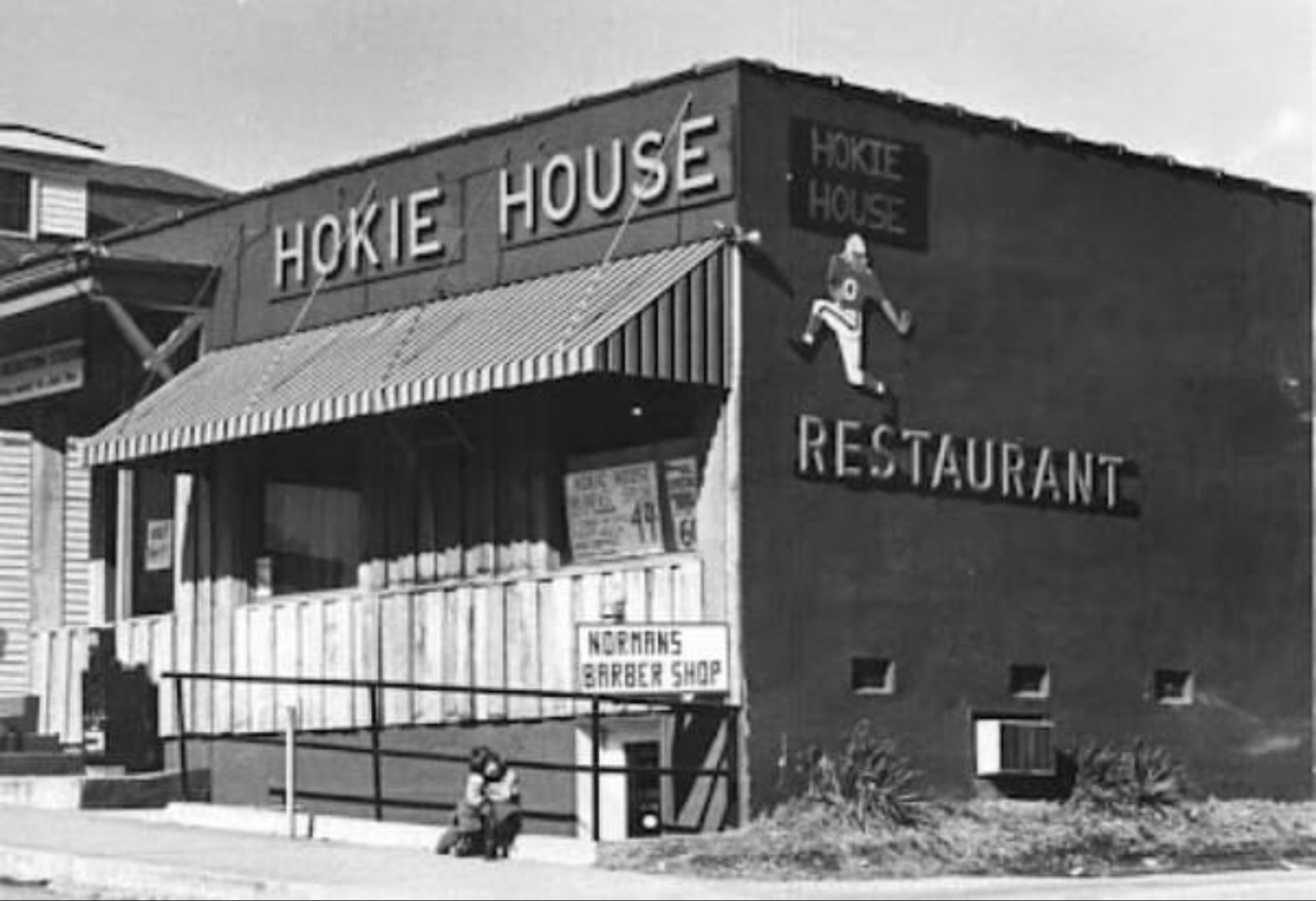
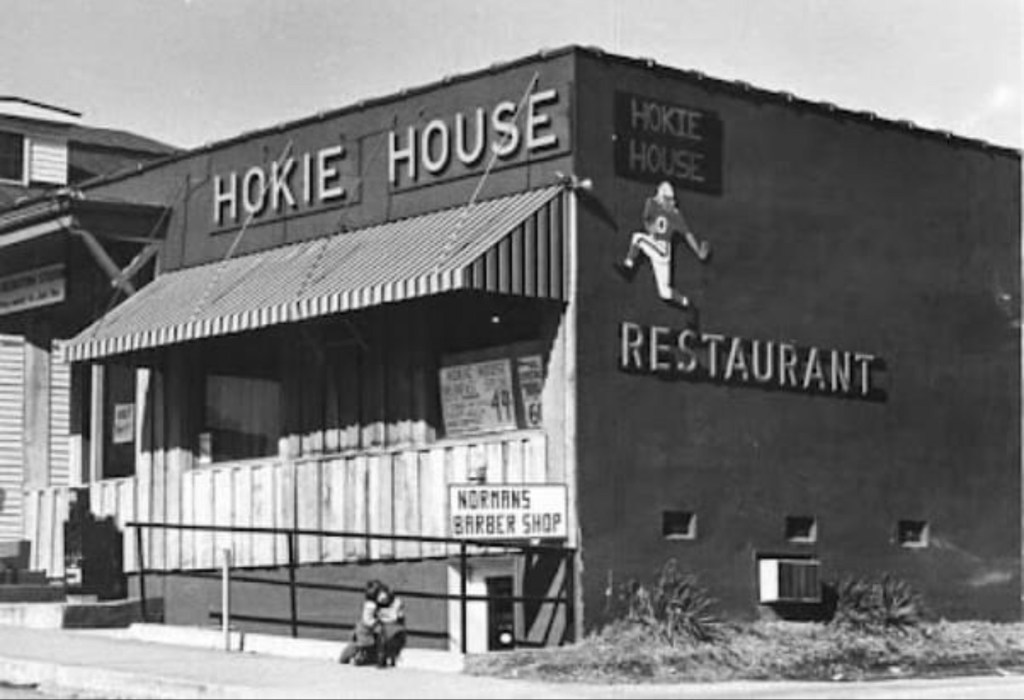
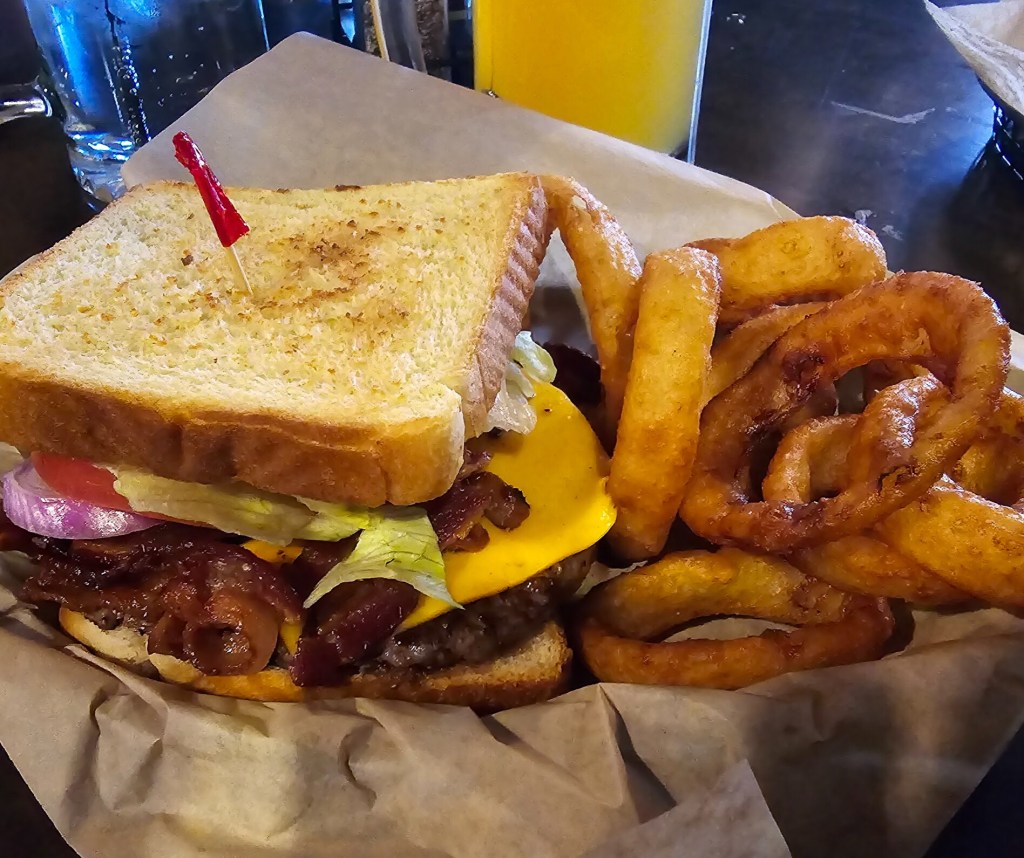
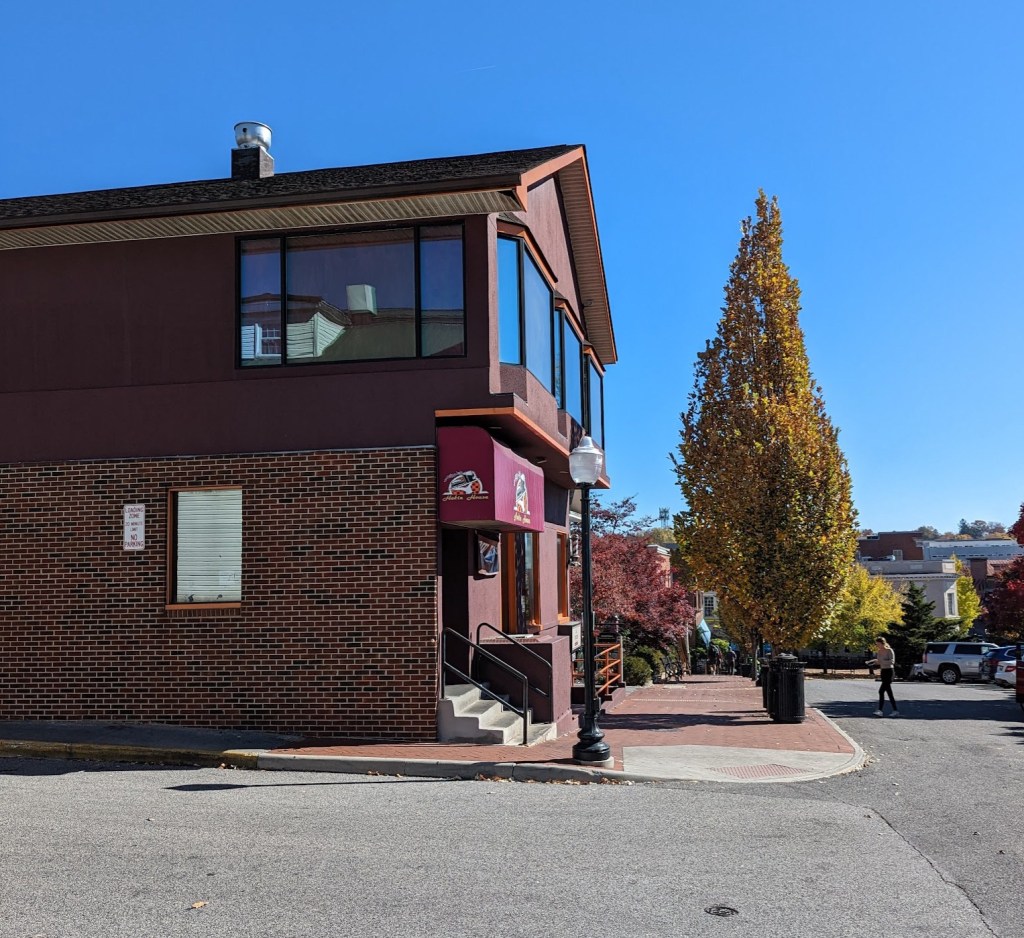
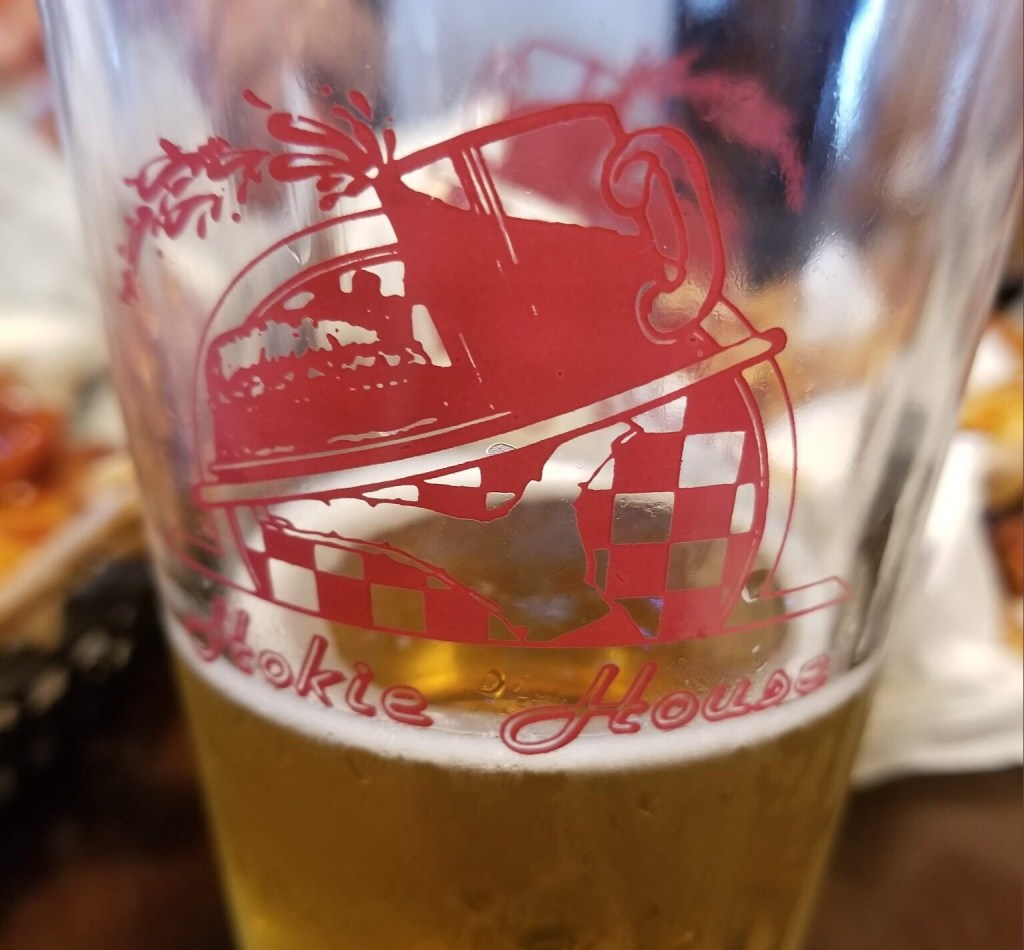
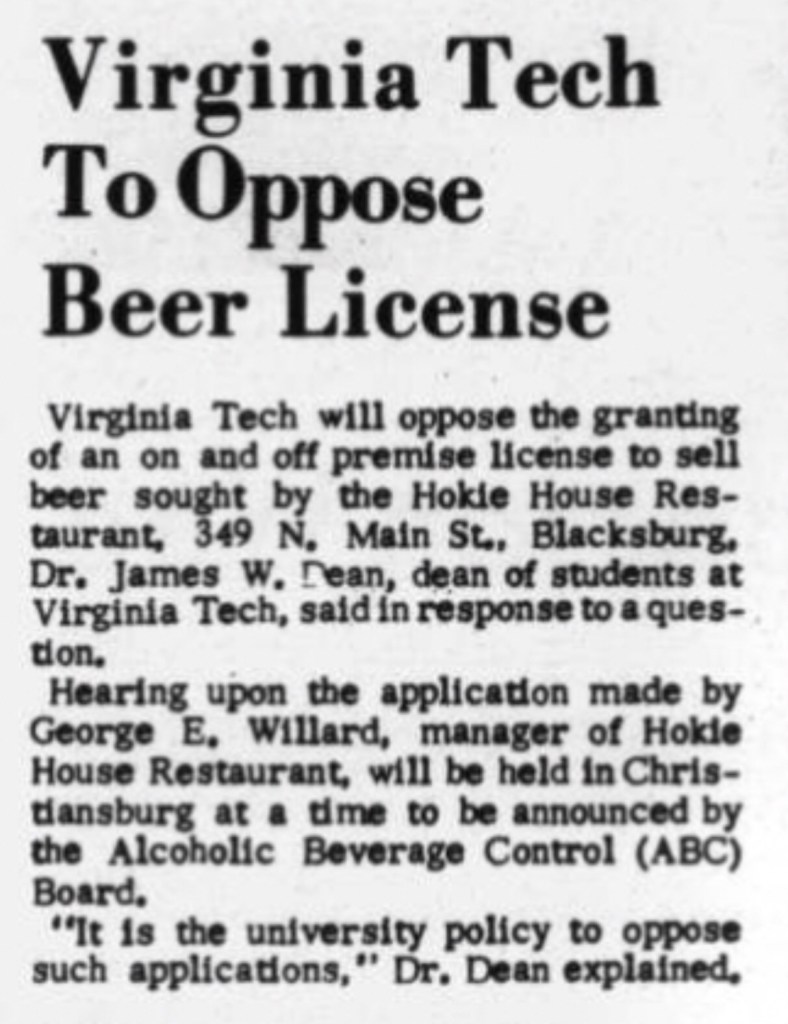
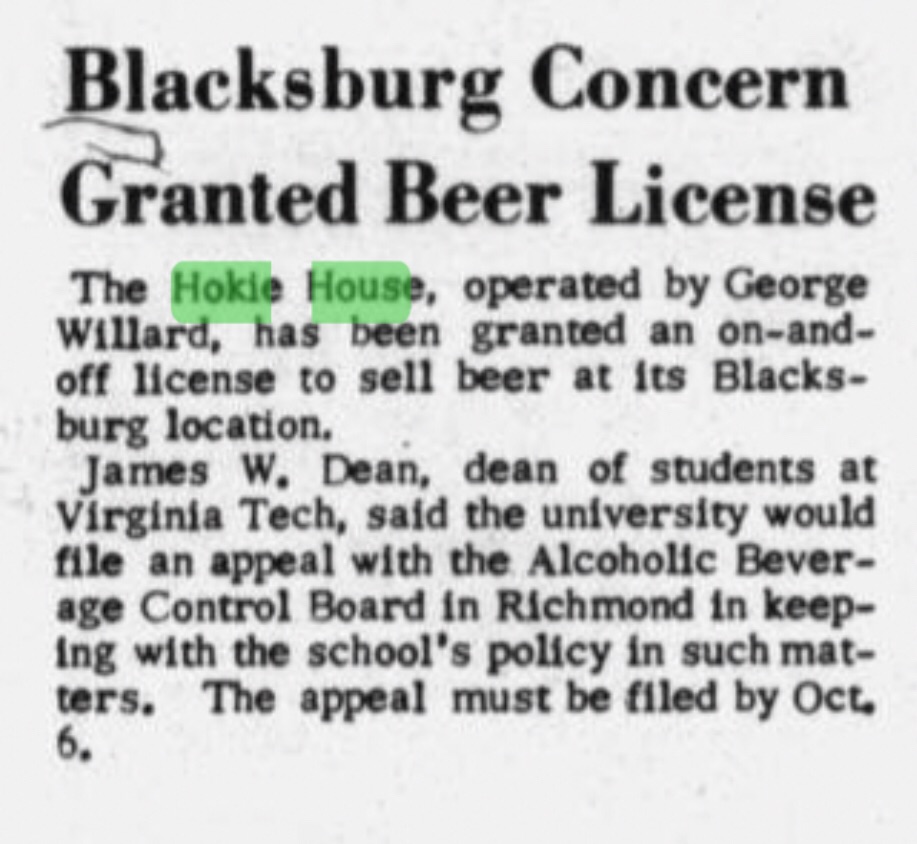
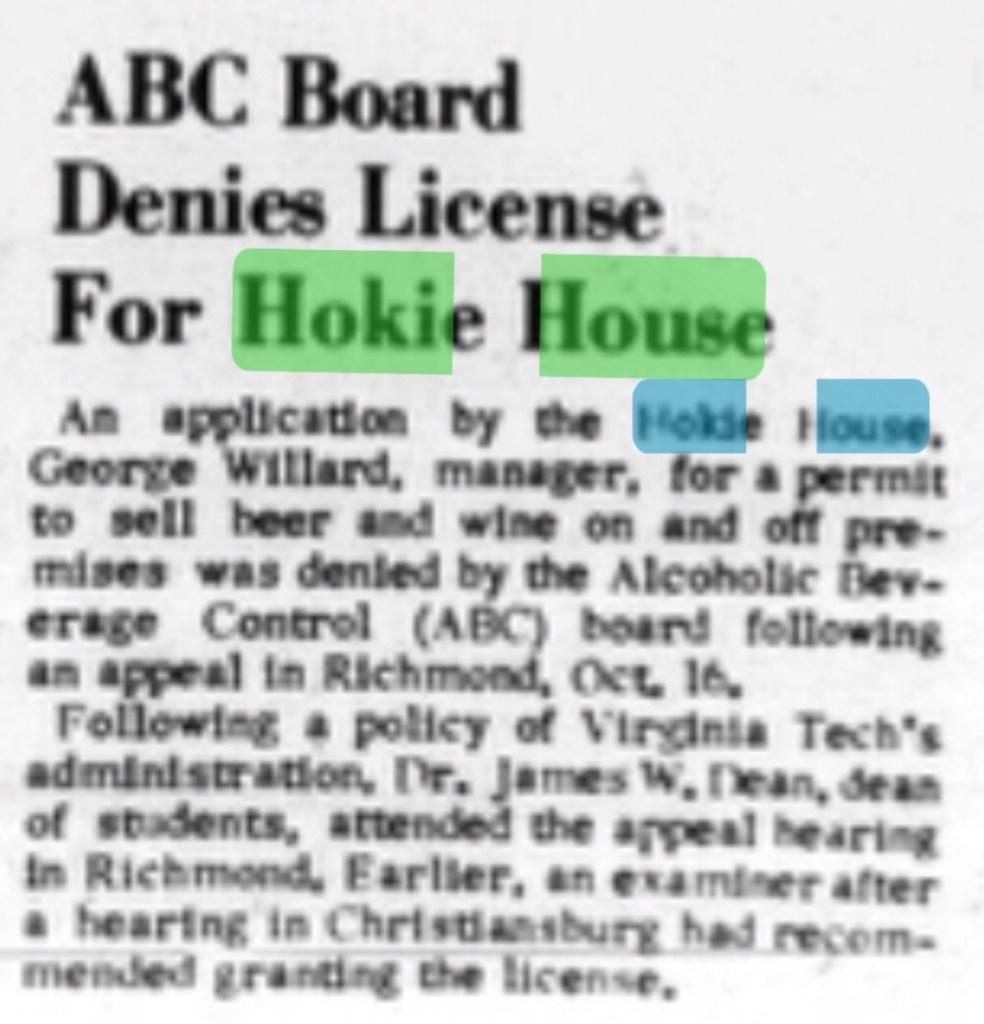
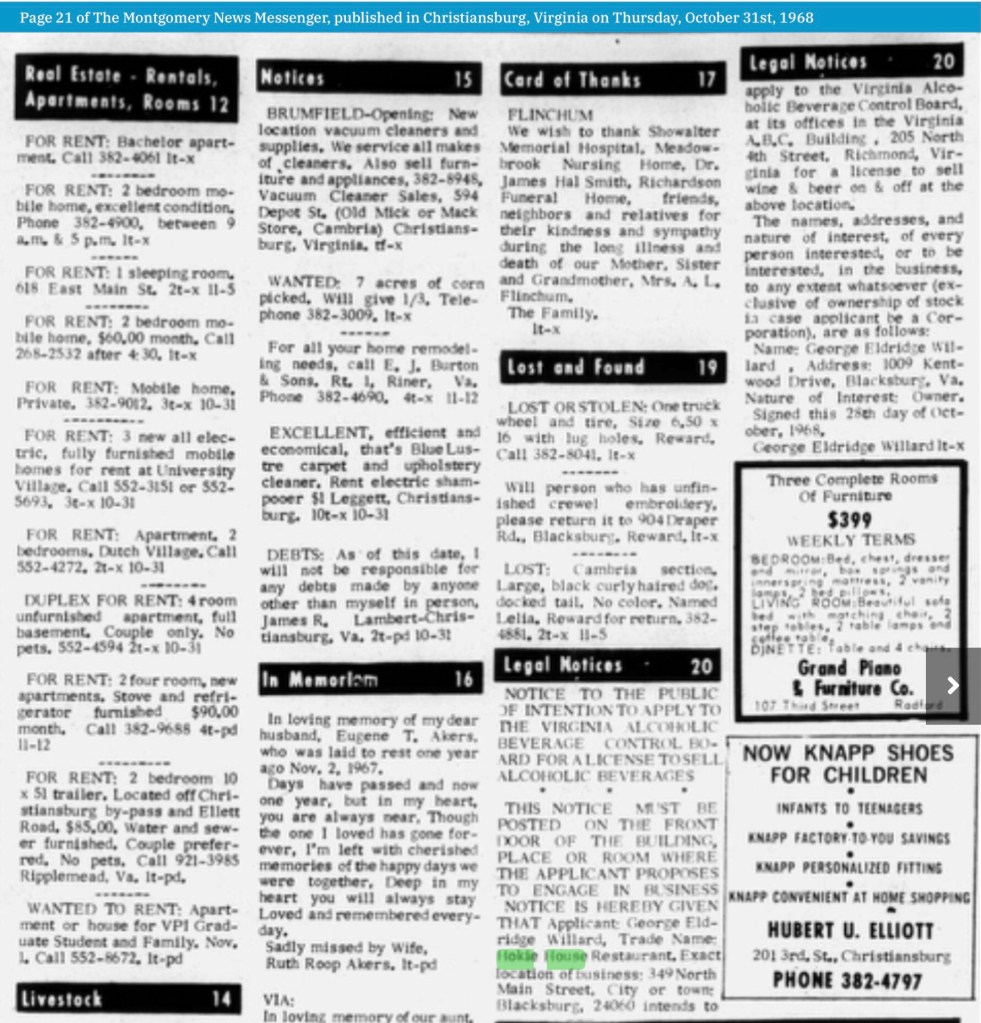
The Hokie House, a celebrated college bar since the late 1960s, is famous for its burgers and beer. Located at 322 North Main Street, it has grown steadily over time. George Willard, its founder, owned the bar until 1993 when he sold it. In September 1967, he was granted a beer license by the ABC to sell both on and off premises, a decision that was protested by the college. In October the college appealed to Richmond and the liscense was revoked. Willard tried again in October 1968.
Dolly Miller, who worked for Mr. Willard for three decades, is remembered fondly for her contributions to the establishment.
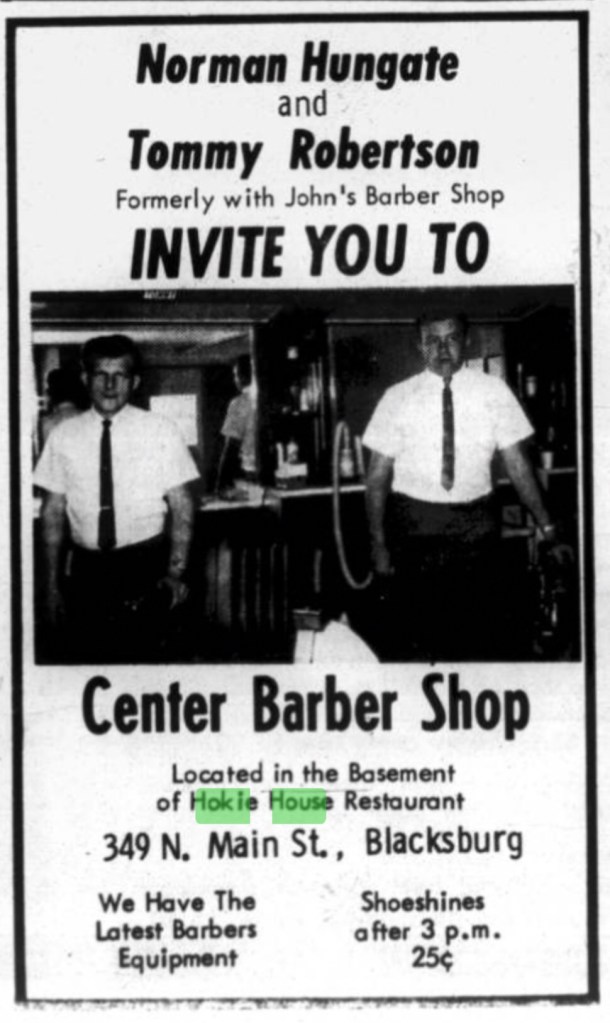
The barber in the basement was a favorite among the VPI/VT Corps of Cadets. It was common to see a long line of first-year cadets waiting for their turn in the chair. Norman Hungate and Tommy Robertson advertised in 1967. Stewart Michael Ribble served as the head barber at one time.
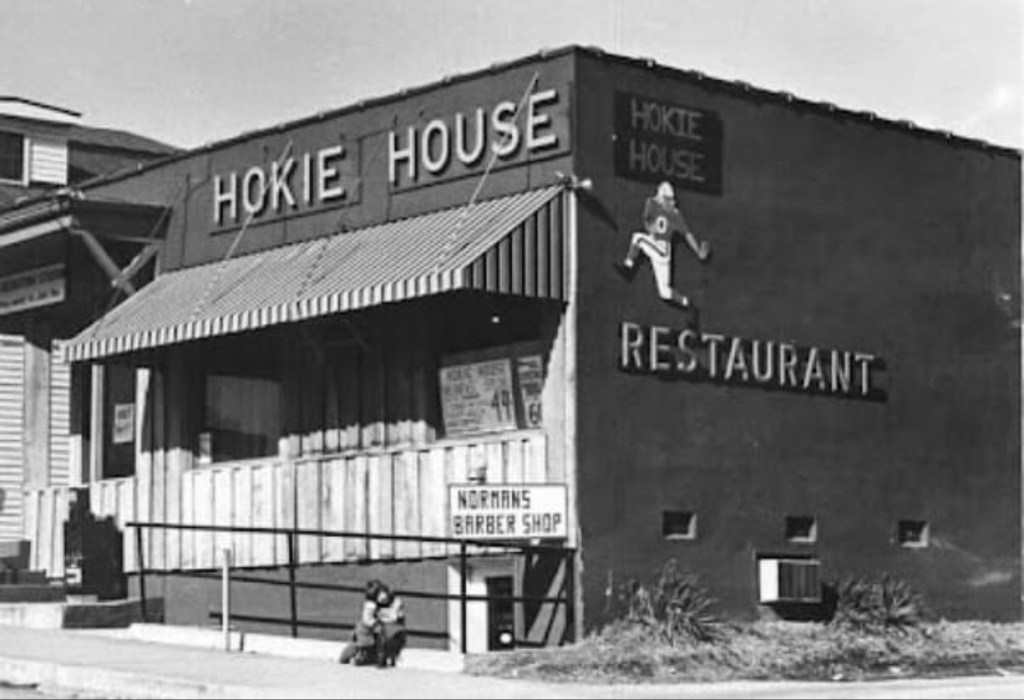
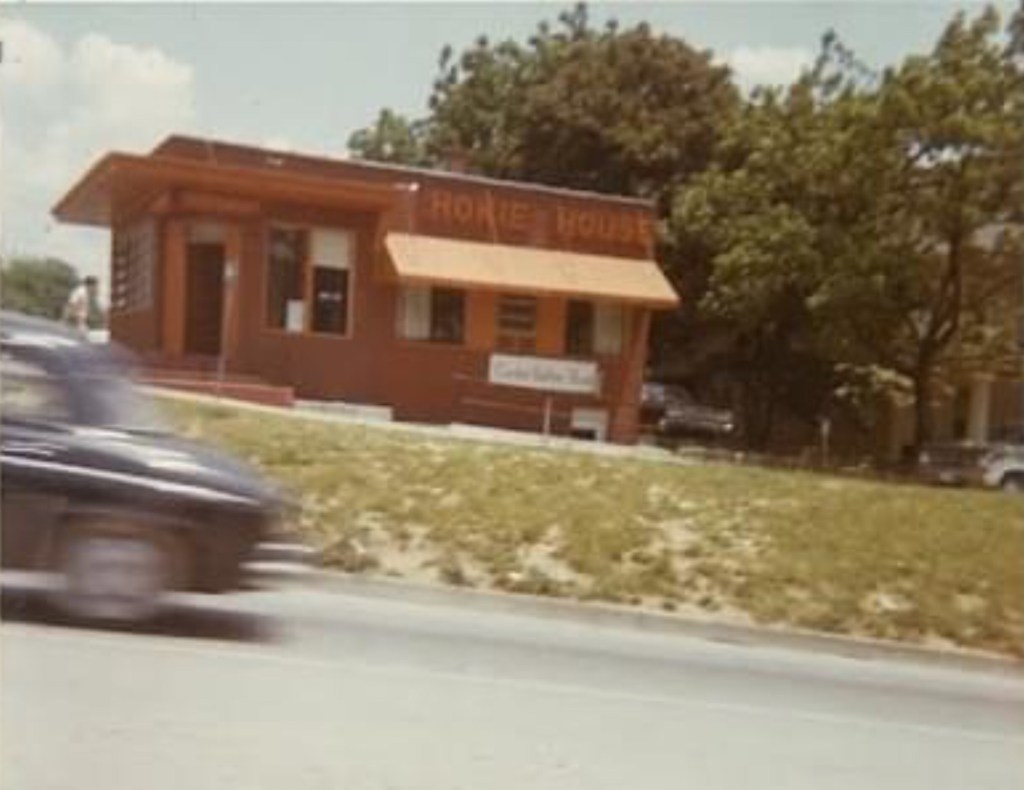
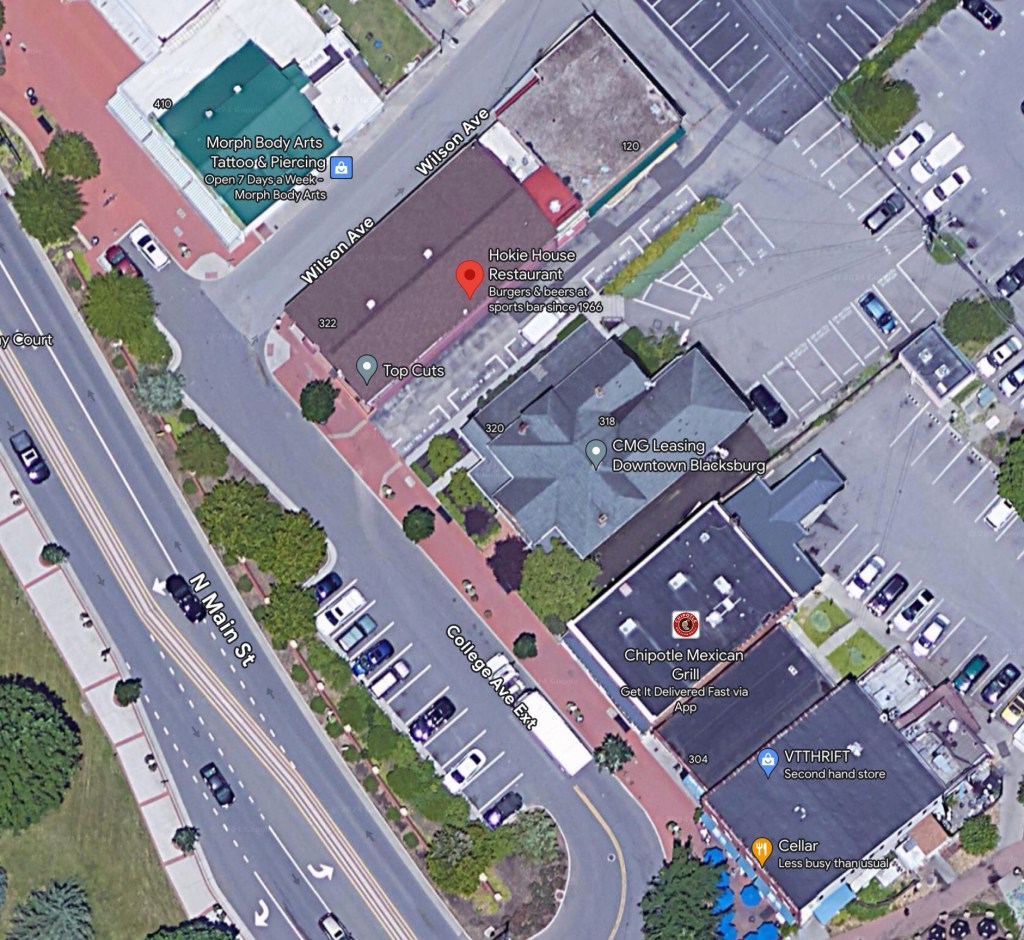
Pre-Hokie House History
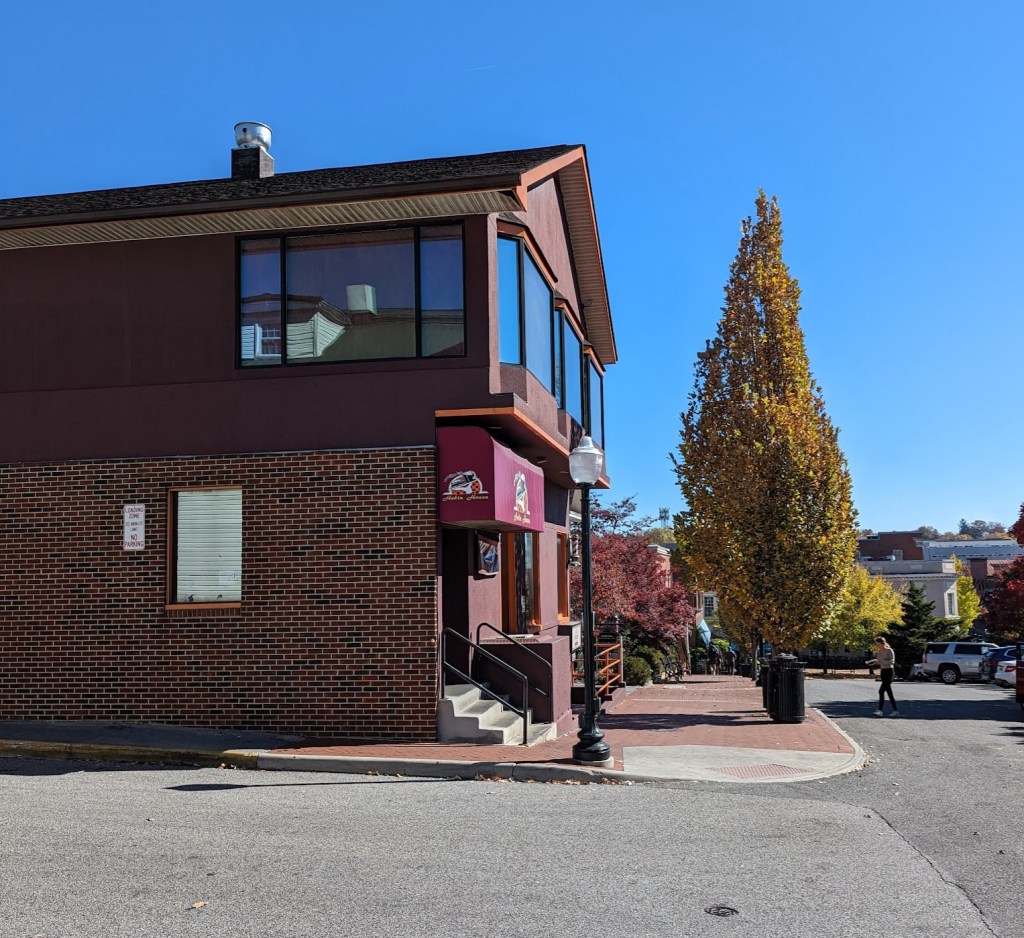
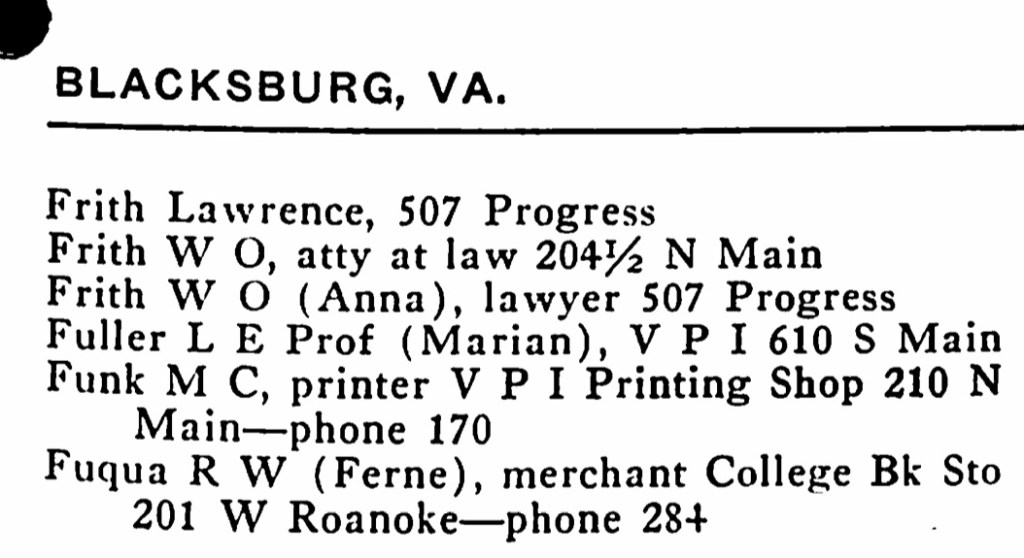
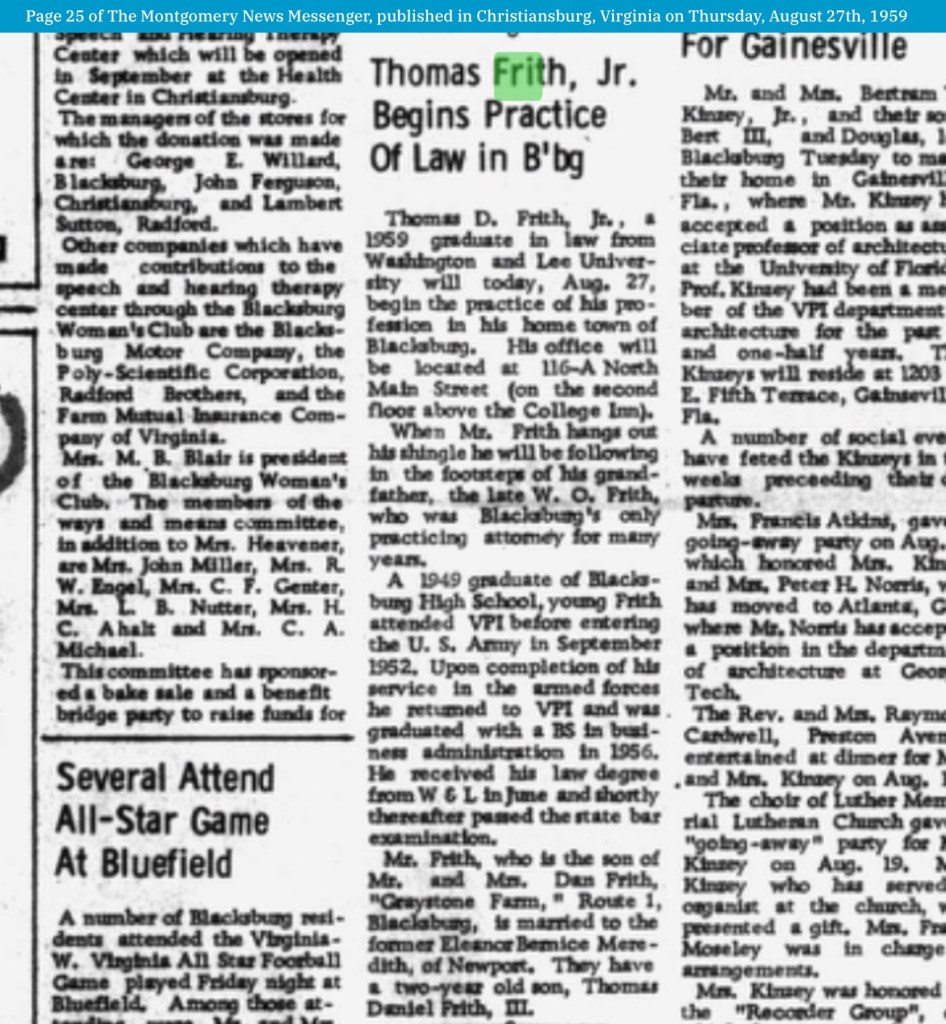
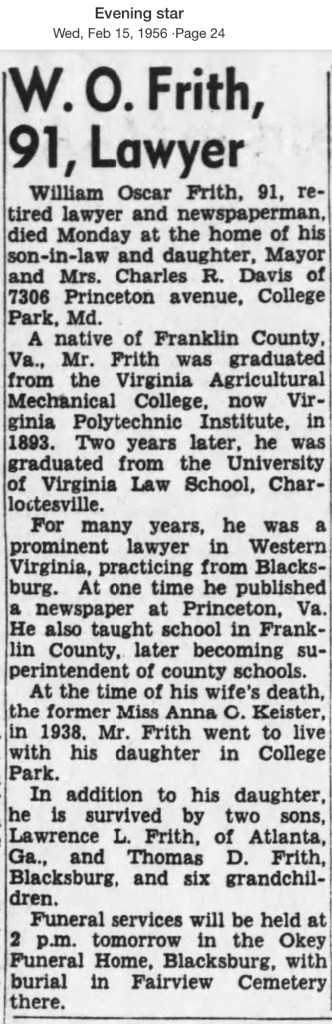
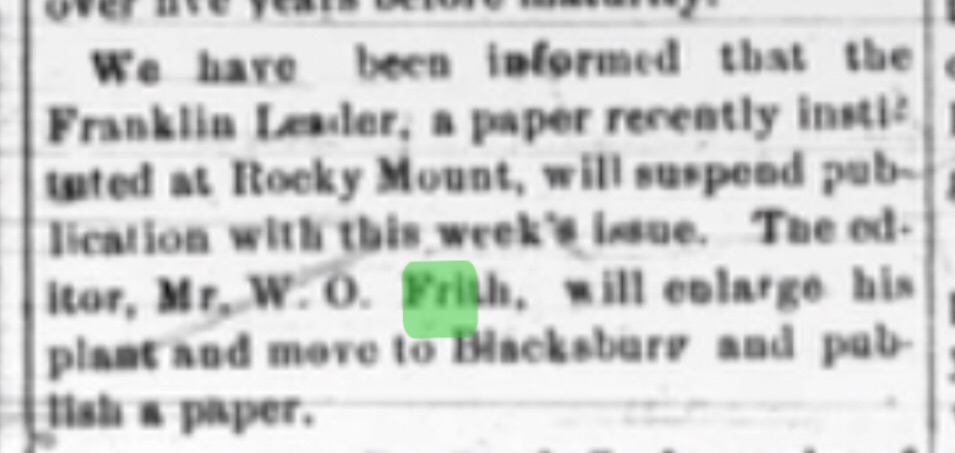
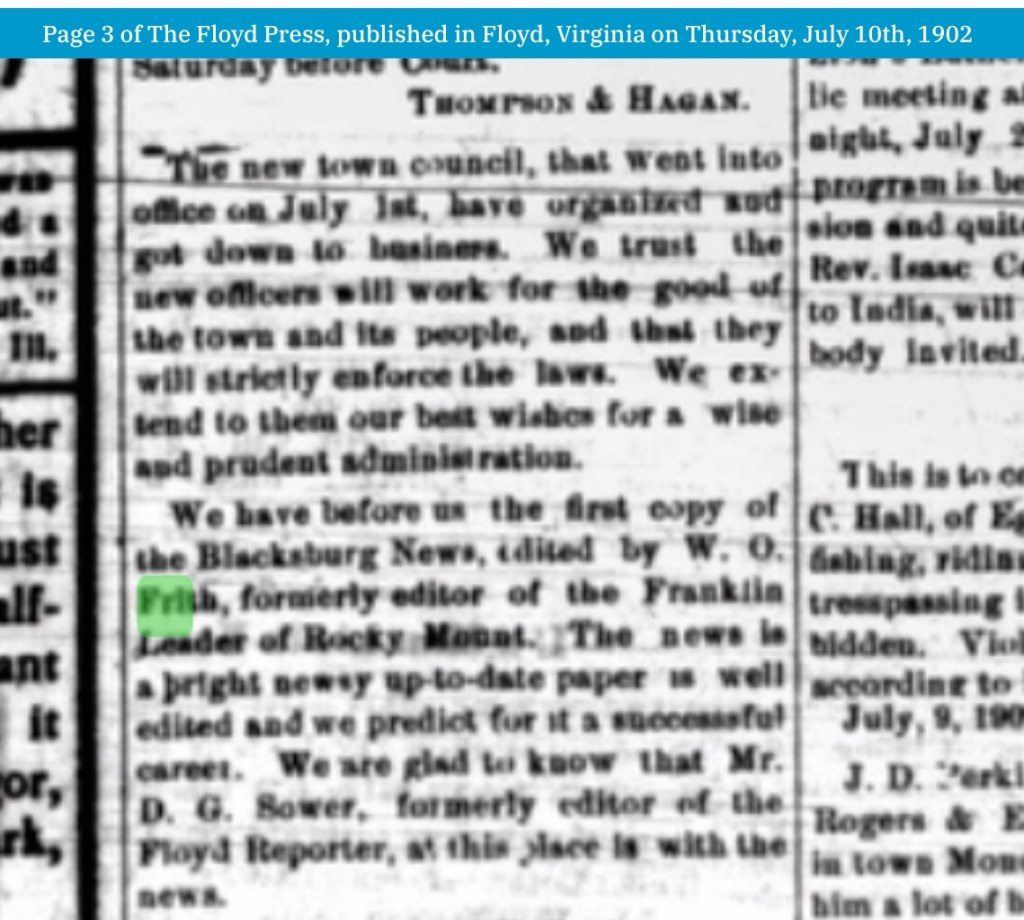
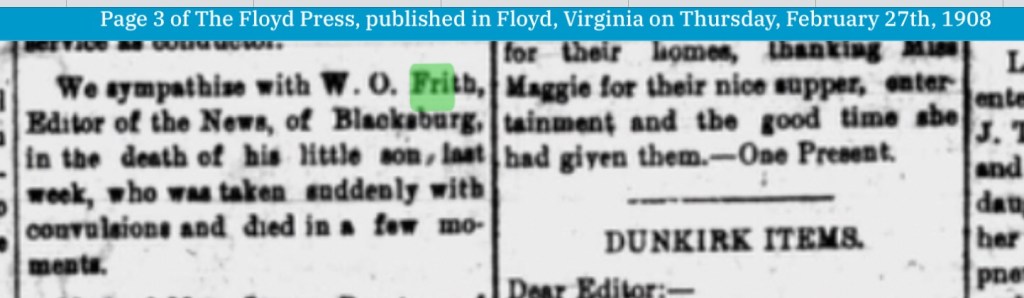
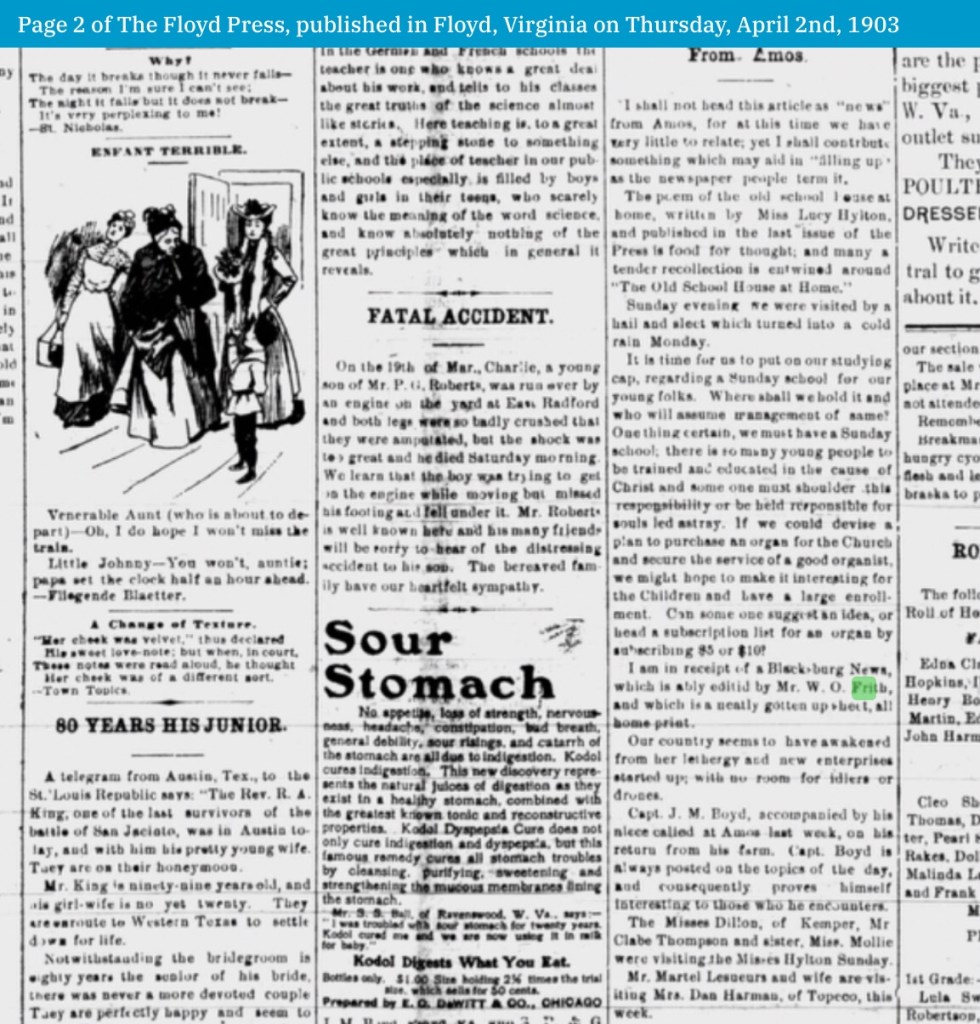
Mr. William Oscar Frith, Sr. (1866-1956) owned the Frith Shop building, which was located where the Hokie House now stands, at the southeast corner of Wilson and North Main. Born in Franklin County, Frith graduated from VPI in 1893, moved his Rocky Mount newspaper business, Blacksburg News, to Blacksburg in May 1902, and practiced law in Montgomery County. He married Anna O. Keister (1868-1938). In 1909 served as the mayor of Blacksburg.
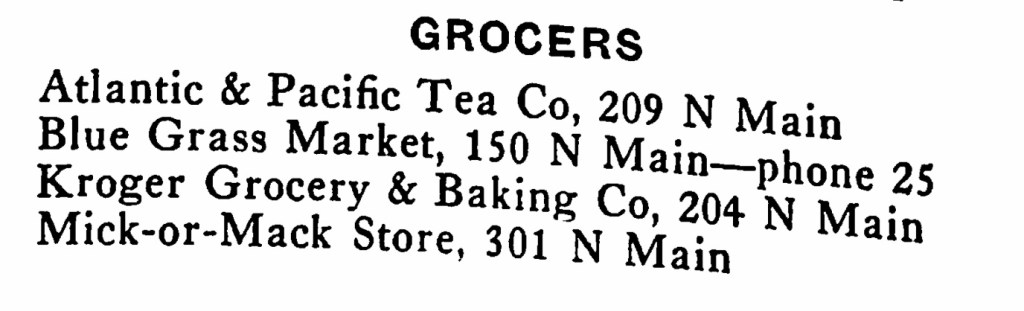
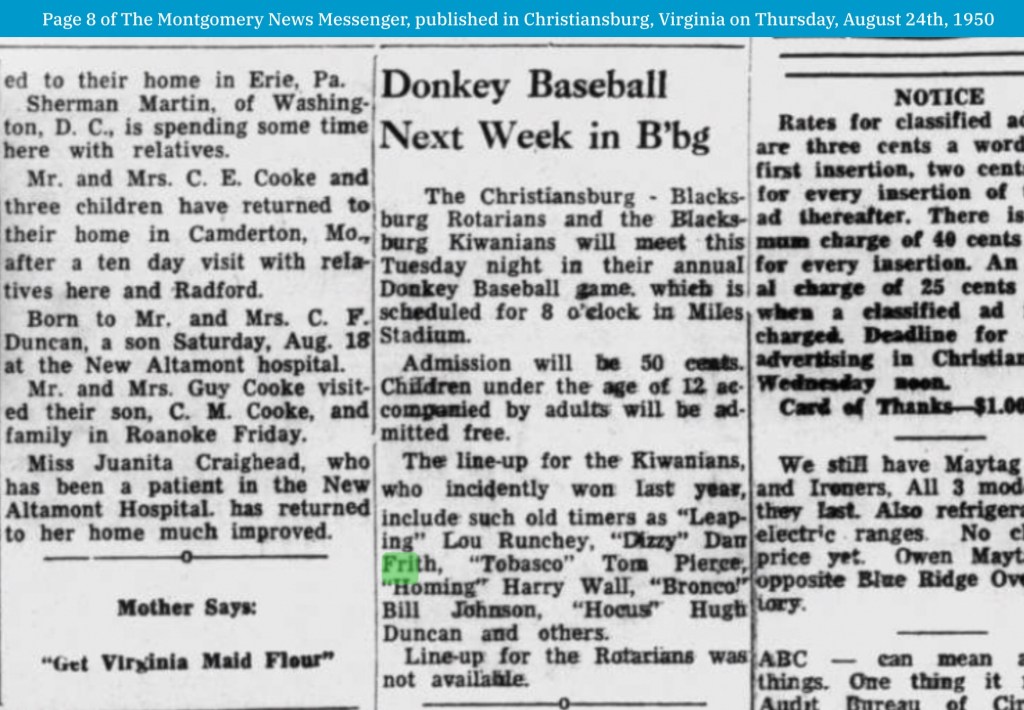
Their son, Lawrence, was listed as a salesman for a general store in the 1930 census. Their other son, Thomas Daniel (Dan) Frith (1909-1977), was a merchant and meat cutter. Dan owned the Blue Grass Market on the east side of North Main Street, in the 100 block, according to the 1940 and 1950 censuses. His partner was Marvin Oliver (1908-1986), the brother of Dan’s wife, Olivia. Later, the business moved to what is now Capone’s Jewelry Store. Marvin was married to Violet Virginia Helvey.
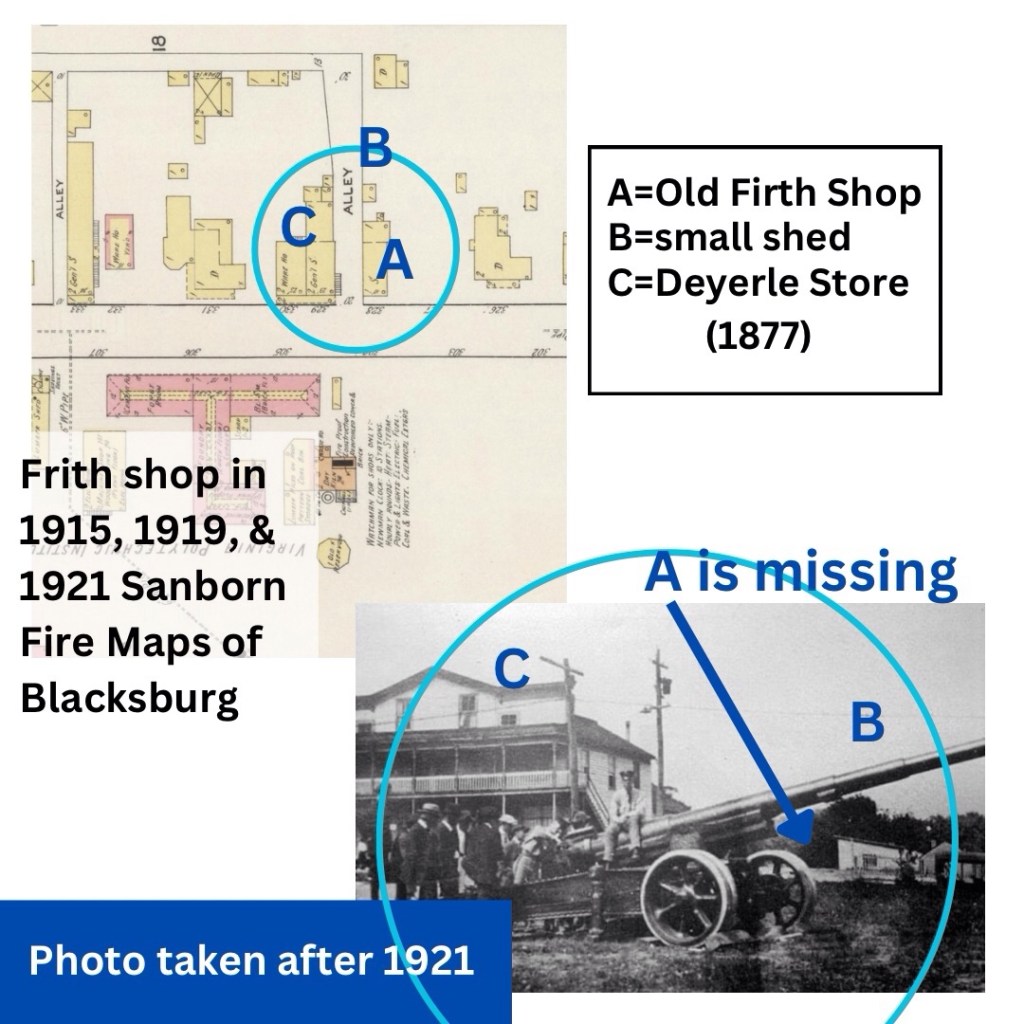
When was the Frith Shop Razed and Bus Station built?
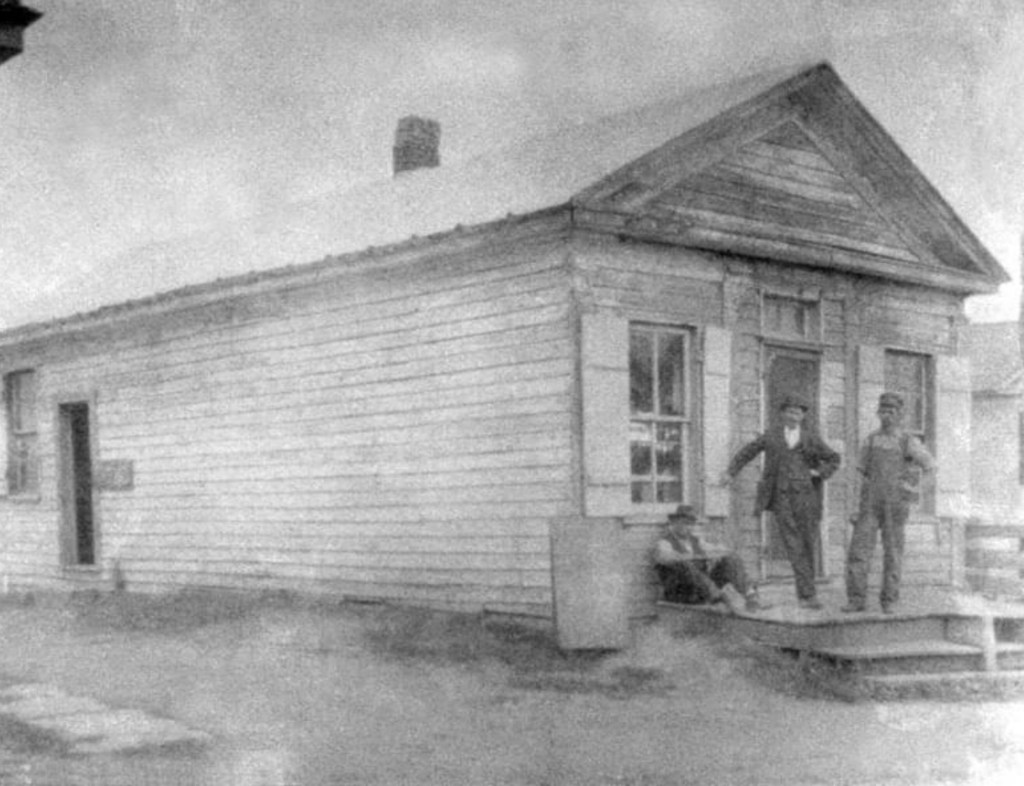
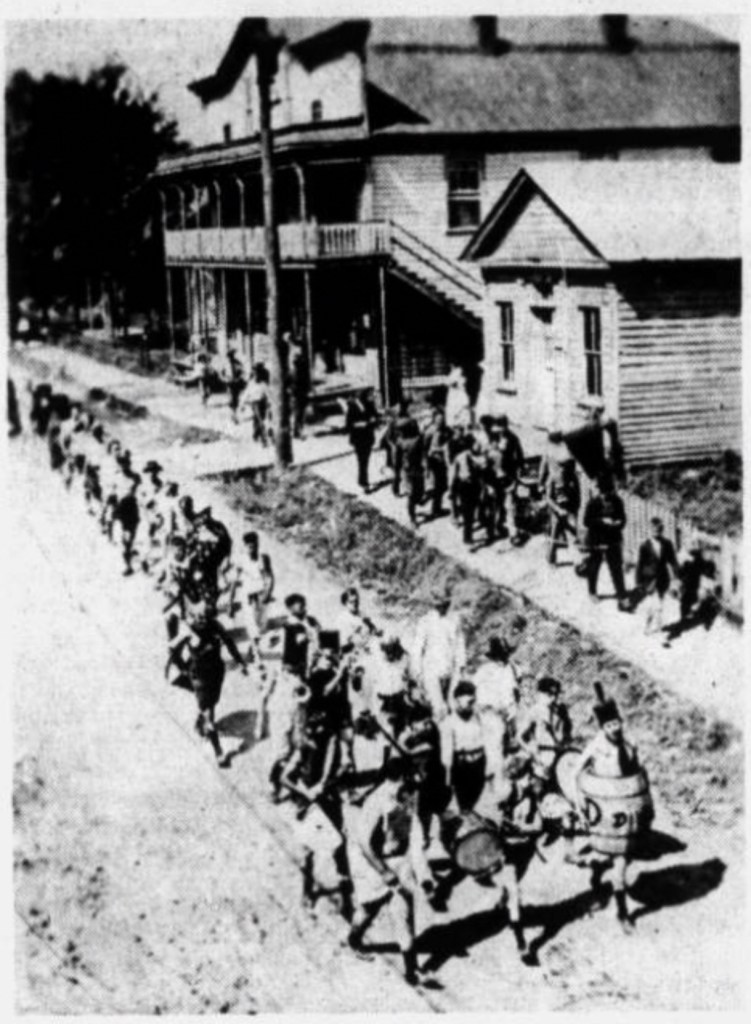
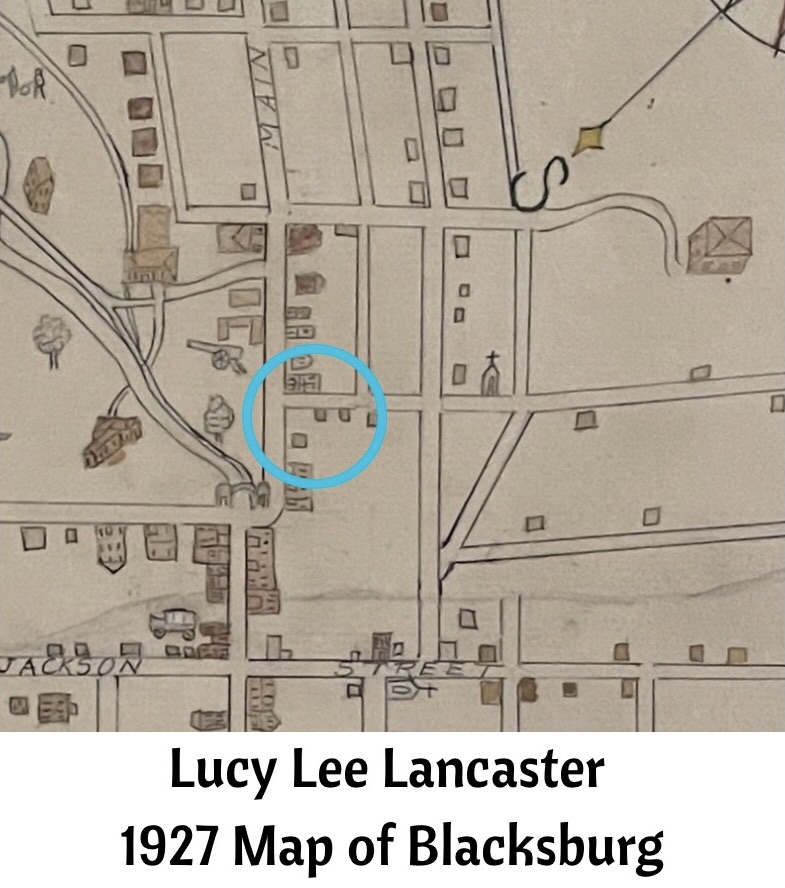
The Frith Shop was noted on the Sanborn Fire Maps of 1915, 1919, and 1921. However, the building was not included in Lucy Lee Lancaster’s 1927 map. A bus station was later built on this site, with the estimated construction date in the 1960s, pending a deed search for confirmation.
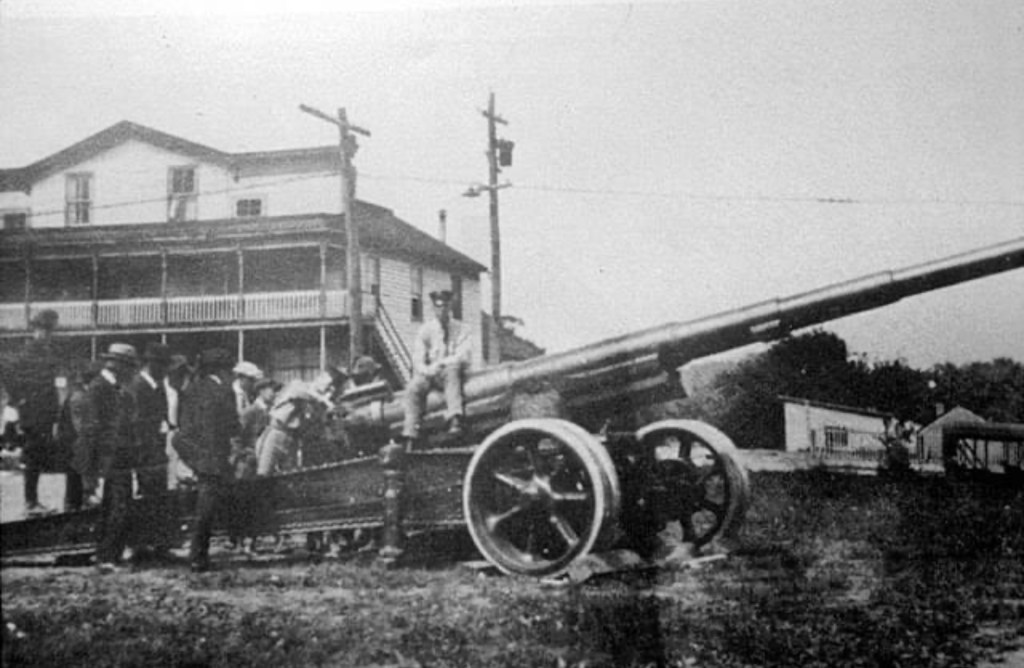
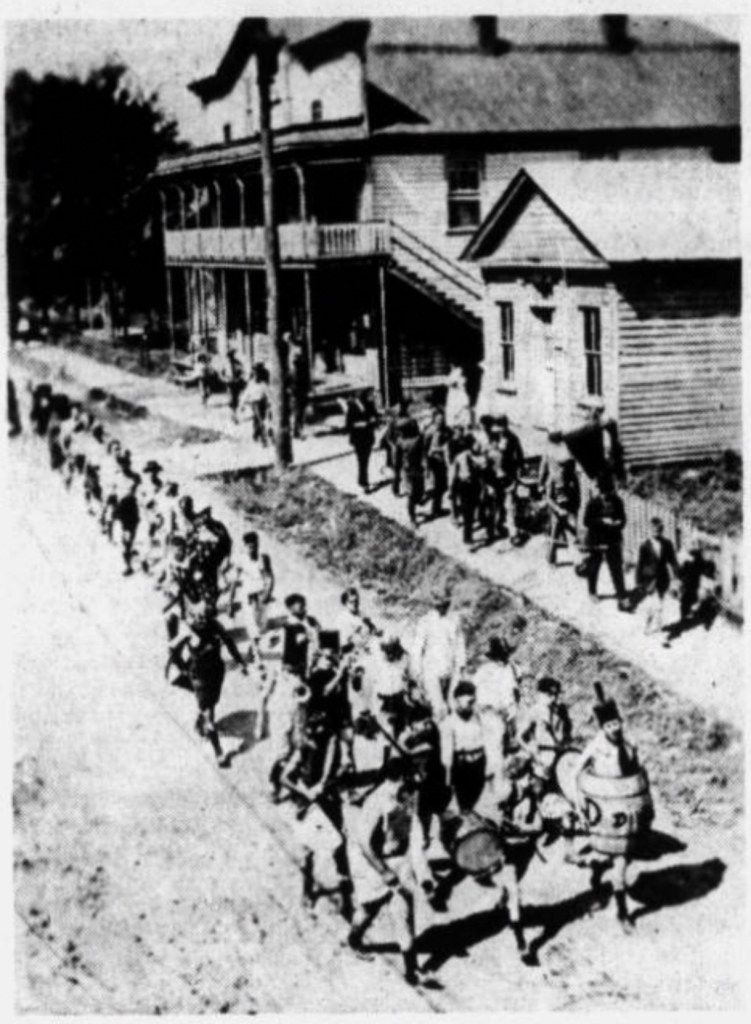
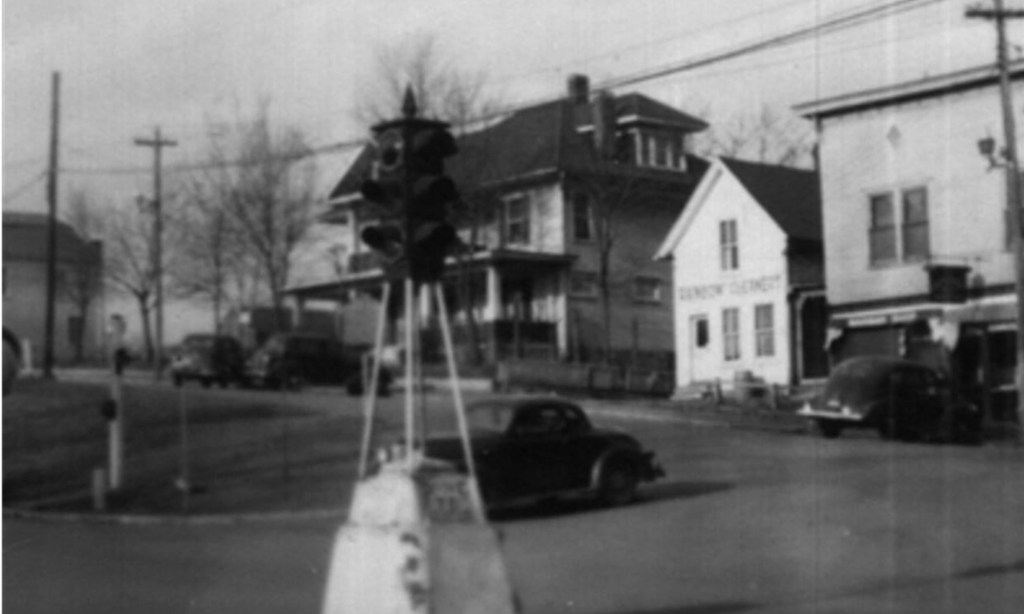
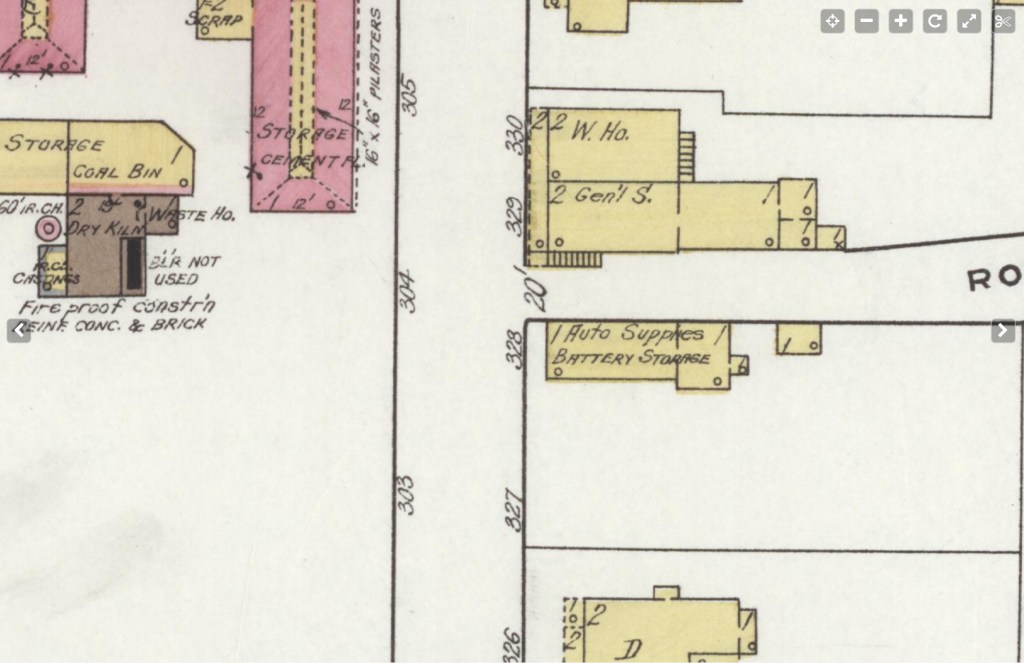
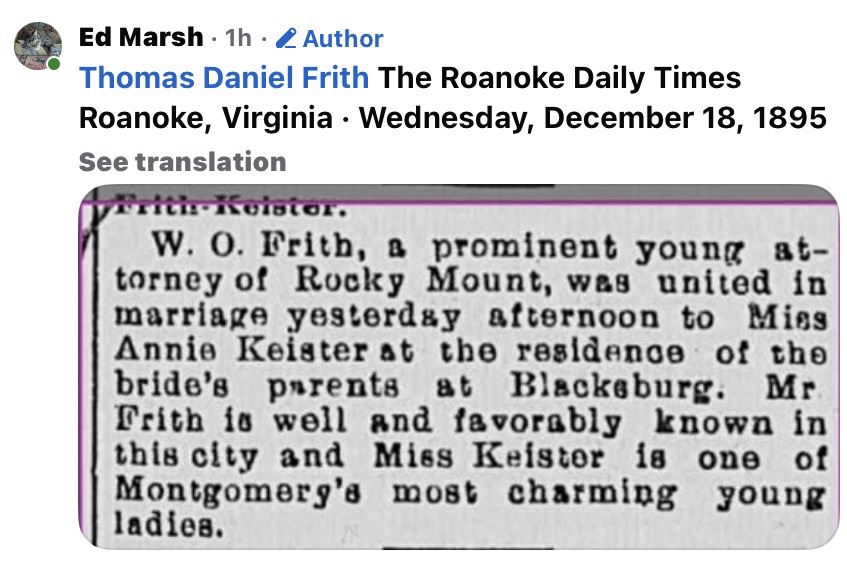
William O Frith was Mayor of Blacksburg in 1909 as indicated in a letter Dr. Barringer wrote to Frith about paving Water Street.
A letter from Dr. Paul Barringer to W.O. Frith, Mayor of Blacksburg, dated April 20, 1909. It is an offer of road metal (broken stone or cinders used in making and repairing roads) to McAdam the wagon road between the VAC&Ry. coal bins and the V.P.I. Power House. The offer was based on the town grading the road. There are some landmarks noted, which may help determine the route of this road.
April 20, 1909
W.O. Frith, Mayor,
Blacksburg, Virginia.Dear Sir:
At a recent meeting of the Executive Committee of the Board of Visitors of this Institution it was decided to give 250 yards of road metal for the improvement of the wagon road between the Virginia Anthracite Coal & Railway Co’s coal bins and the V.P.I. Power House, with the proviso that the town, through whose limits this road passes, should make the necessary improvements in grade, prior to receiving this stone. Nothing was said by the Board about hauling the stone, but the V.P.I. will endeavor, if not too hard pressed, to deliver it on the prepared road bed. As the placing of the road metal on soft and newly constructed earth is absolutely unwise, I would ask that whatever action the town takes towards improving this route, be taken as early in the summer as possible, in order that the road bed may be thoroughly settled by late summer and fall, when we can probably deliver this stone.
As the present road [illegible] to Mr. Tutwiler’s ne corner runs across the unoccupied railroad territory, we could not of course McAdam the road now used. The line of the easiest grade available is, therefore from Dr. Kent Black’s corner down the first street towards the Baptist Church until we reach the new Tutwiler property, and then turn east and follow that street to Main street at the Tutwiler corner. The road here mentioned can be made of excellent grade by cutting down 18 inches or 2 feet at Dr. Kent Black’s corner, and also grading 18 inches or two feet along the side street at Tutwilers’, and utilizing this earth for filling in at the corner in front of Prof. H.L. Price’s. This, however, would make a four foot fill for a short distance, and such a fill would settle six or eight inches during the summer and ruin any McAdam which might be put on it. I would, therefore, urge that the town do this part of the work at as early a date as possible, in order to get good results.
In order that the grade coming to the College should be made at its best, I would suggest that some 18 inches or two feet be taken off the hill in front of Mr. A. Black’s new house, now occupied by Prof. Rasch and Mr. Johnson, and the earth be used in filling the heavy depression in front of Mr. A. Black’s residence. I would suggest, also, that a concrete culvert be thrown across the street at this point, somewhat like, but of course less expensive, than the culvert on the western side of the sidewalk in this place. I feel sure that such a conduit would carry all the water that could come down across this street.
250 yards of road metal will cover to an average depth of six inches, 1500 square yards. We could not allow the metal to be applied on a width greater than a fifteen foot road, but this will enable two wagons to pass easily on the McAdam. This, you will see, will allow the completion at this time of 300 yards, and as some part of the road completed is largely rock bottom, I feel sure that this will make very near covering the distance outlined above.
I write this to you as mayor of the town, feeling that you ought to know the position of the V.P.I. in this matter, in order as mayor you may explain to the people of the town that this Institution is absolutely unable to help for legal reasons, the general proposal.
Dr. Paul Barringer
Side Story to John Keister killing Mr. John Lester. John Lester was a notorious bootlegger who ran his business out of the back of the Western Hotel (Roop House) at the NE corner of Main and Jackson Streets. John Keister killed Lester but was not jailed.
Bus Station & Ryman Restaurant in One Building
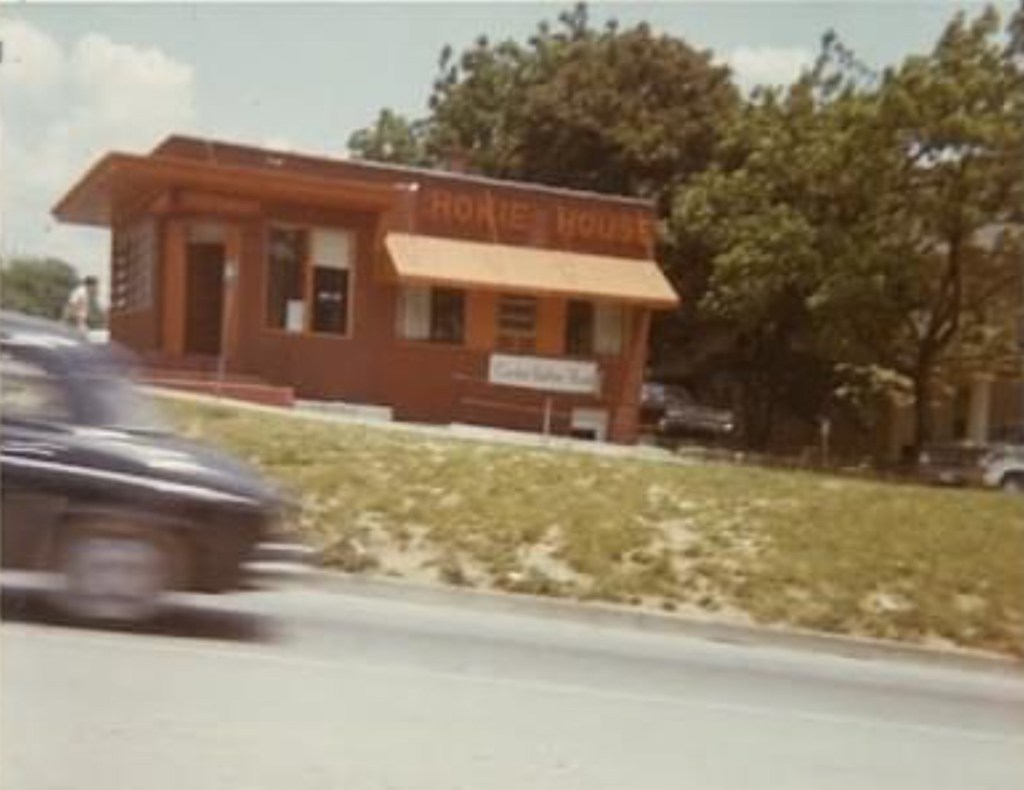
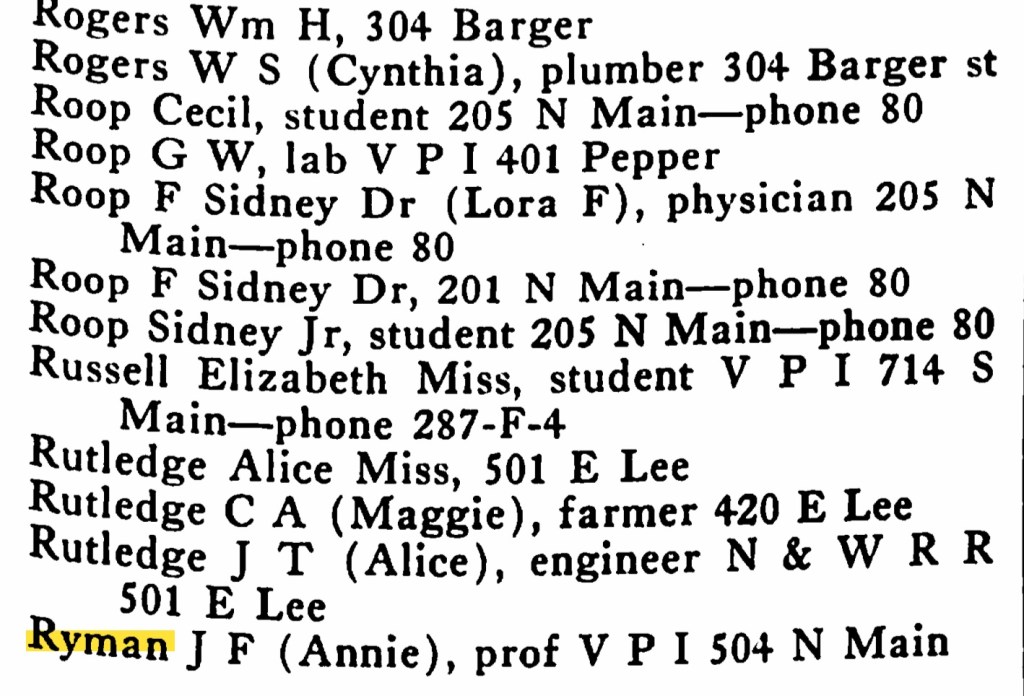
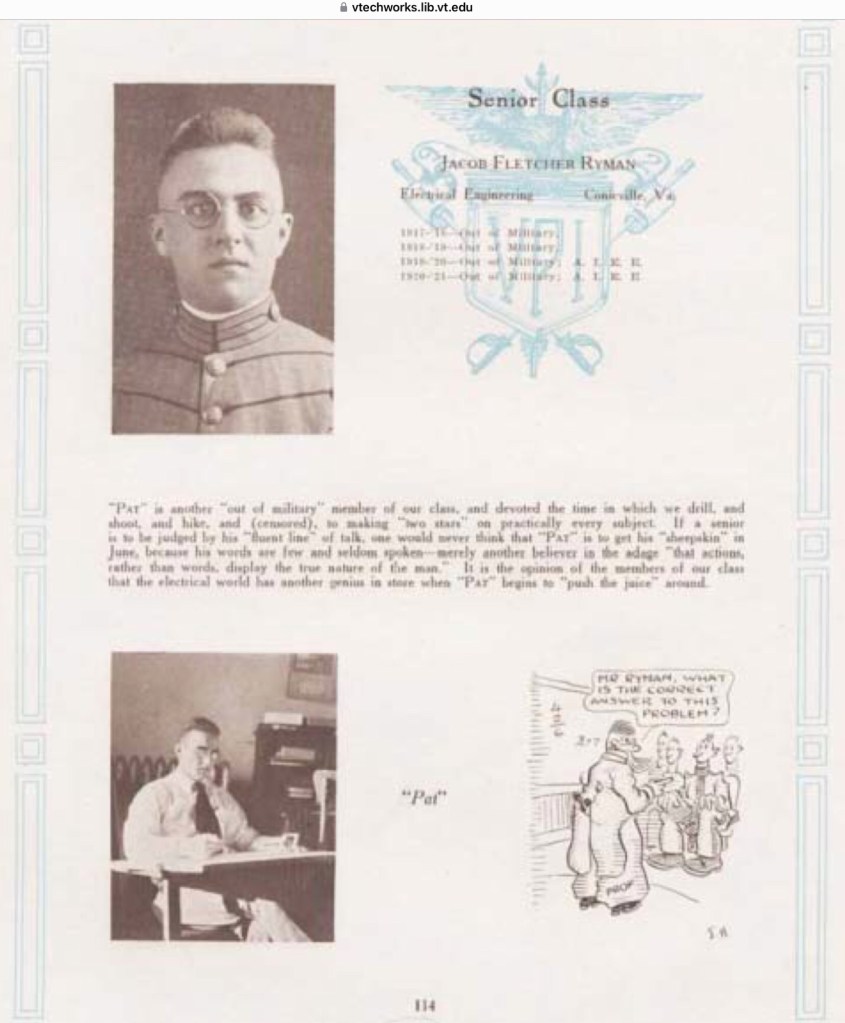
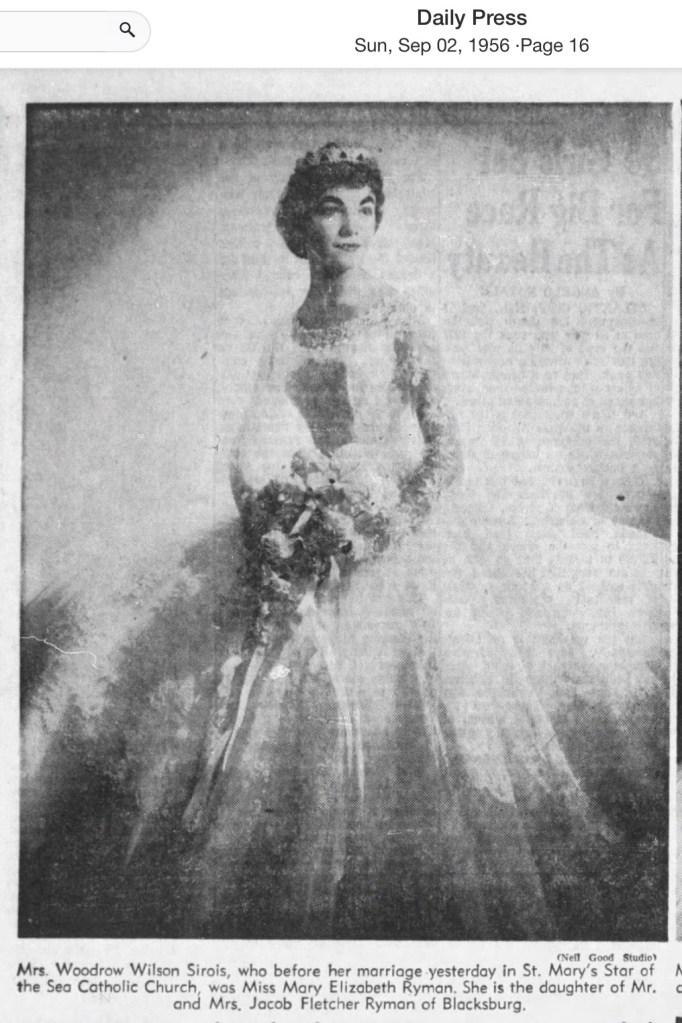
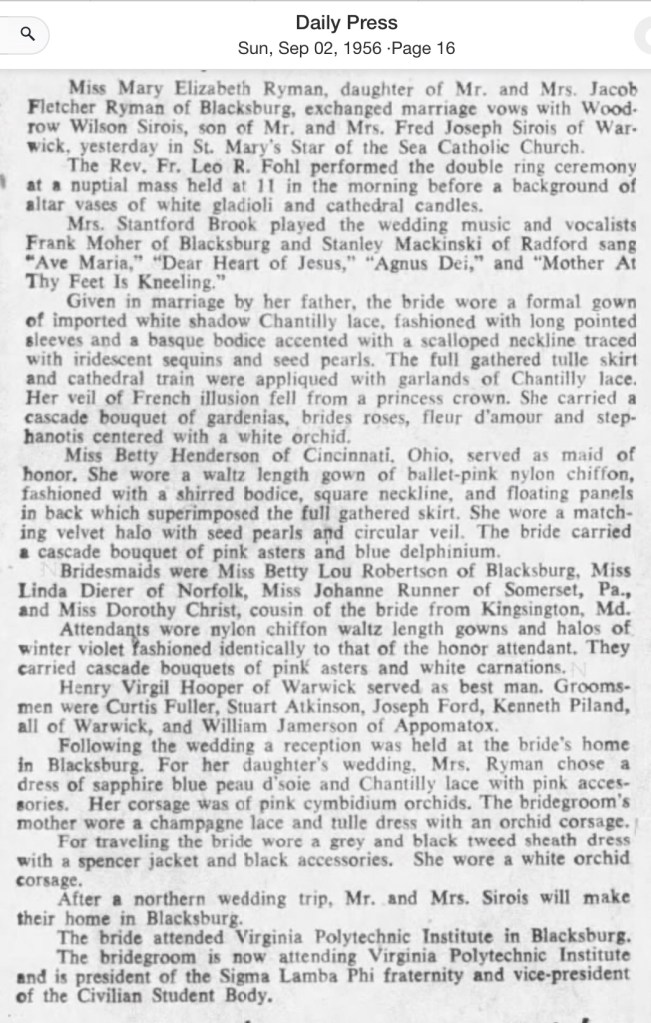
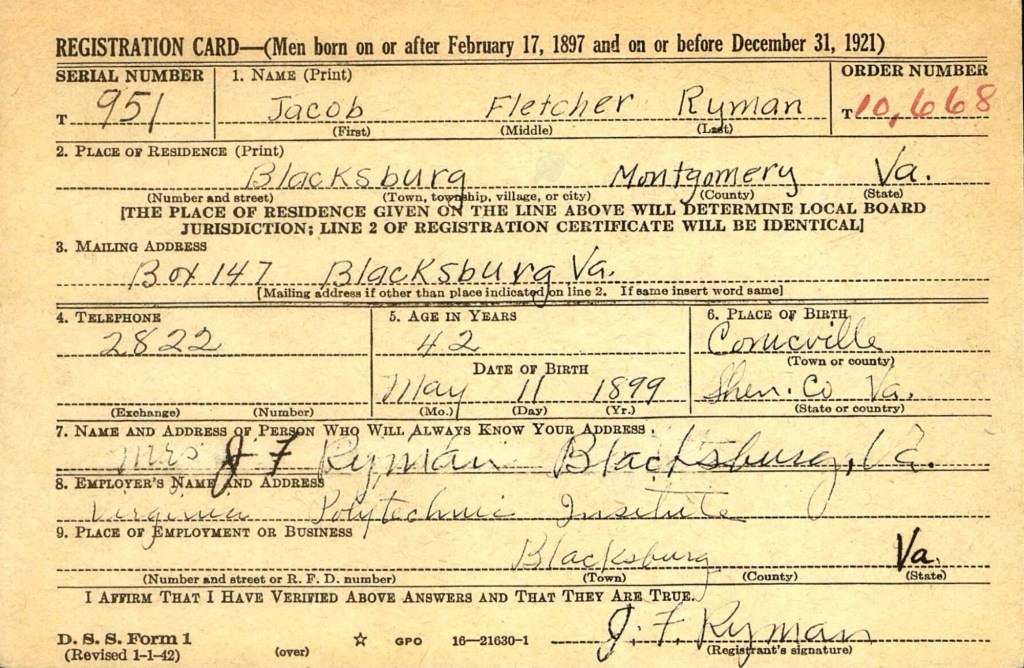
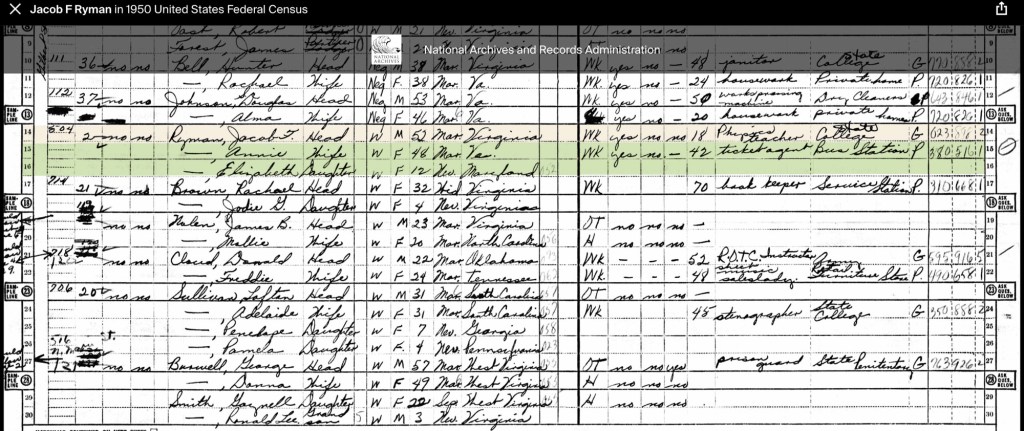
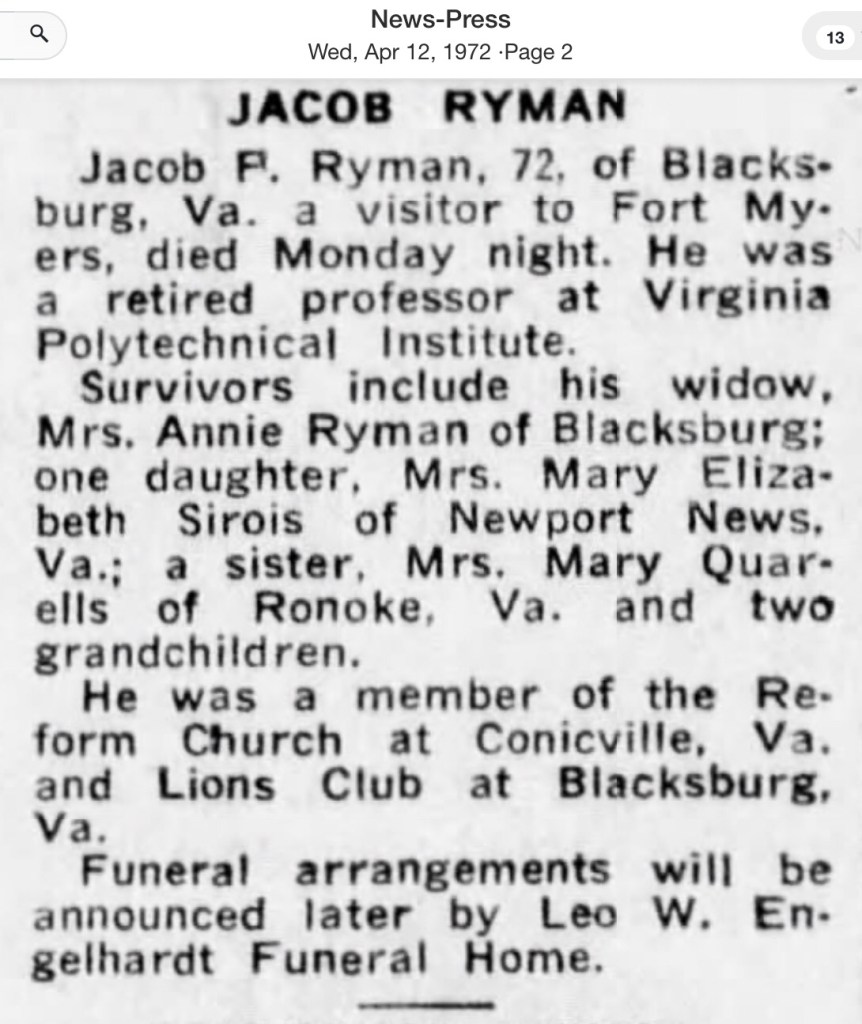
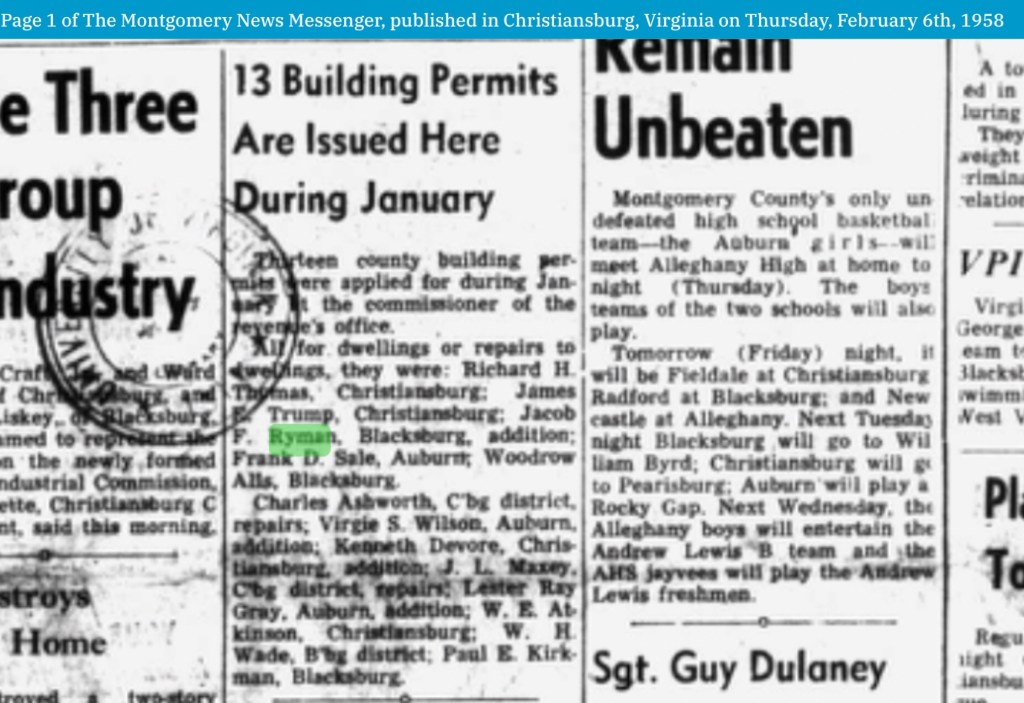
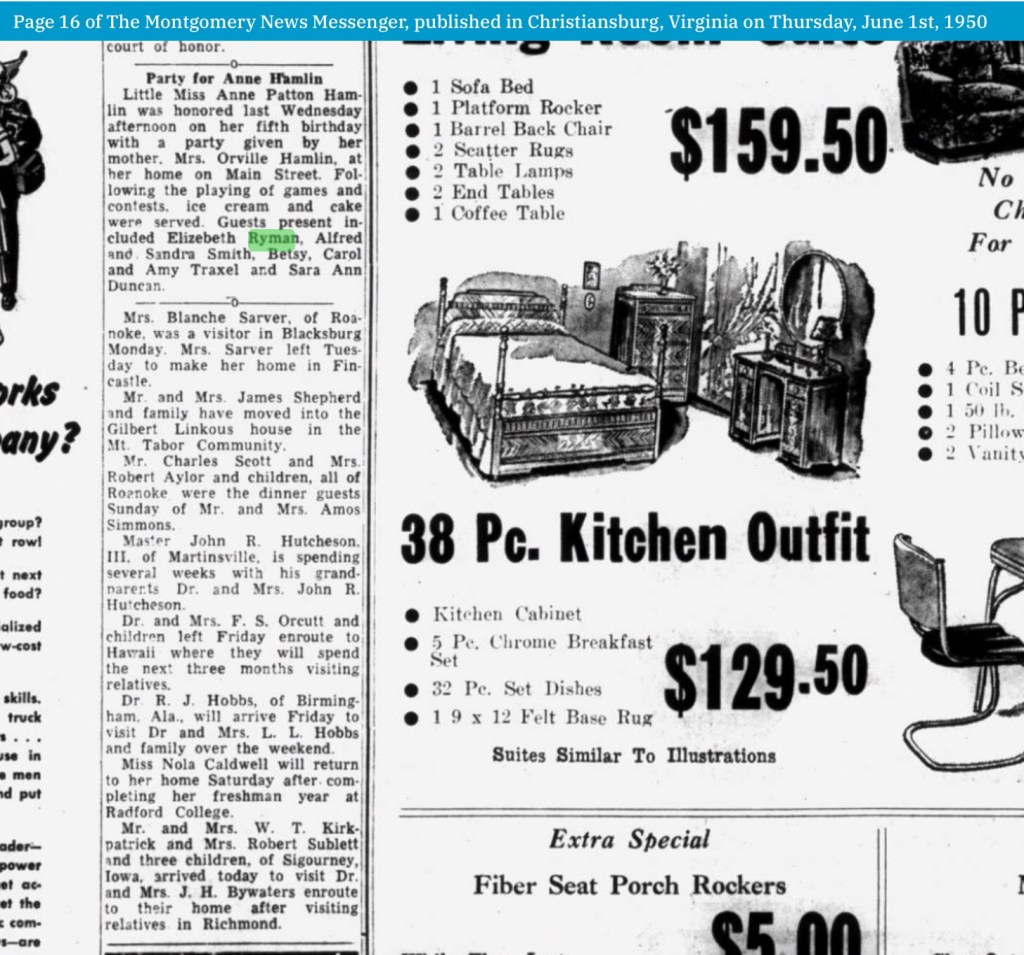
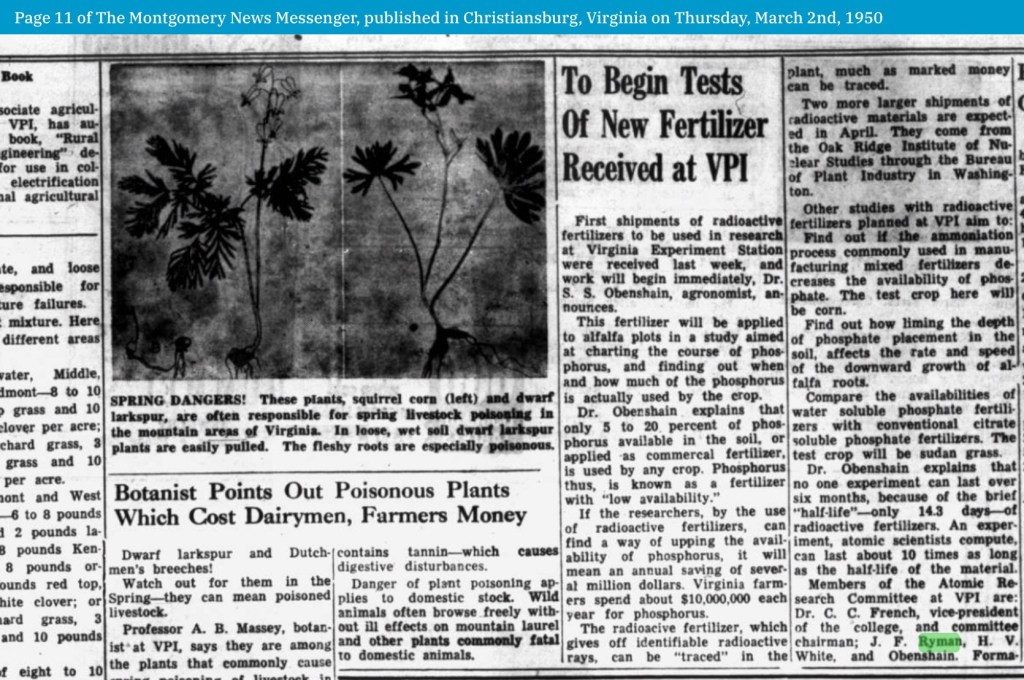
In the 1950s, the bus station shared a building with a lunch counter/diner called Ryman Restaurant, managed by Mrs. Annie Massey Ryman (1902-2000), who was born in Blacksburg. According to the 1950 census, Mrs. Ryman was listed as the ticket agent for the bus terminal. Her husband, Dr. Jacob Fletcher Ryman, a VPI class of 1921 graduate, was an assistant professor of physics who retired from VPI in 1967. Their daughter, Mary Elizabeth Ryman, married Woodrow Wilson Sirois. The Ryman family lived at 504 North Main Street, near Gilbert Street, according to the 1930-1950 censuses and directories.
More Frith Family History
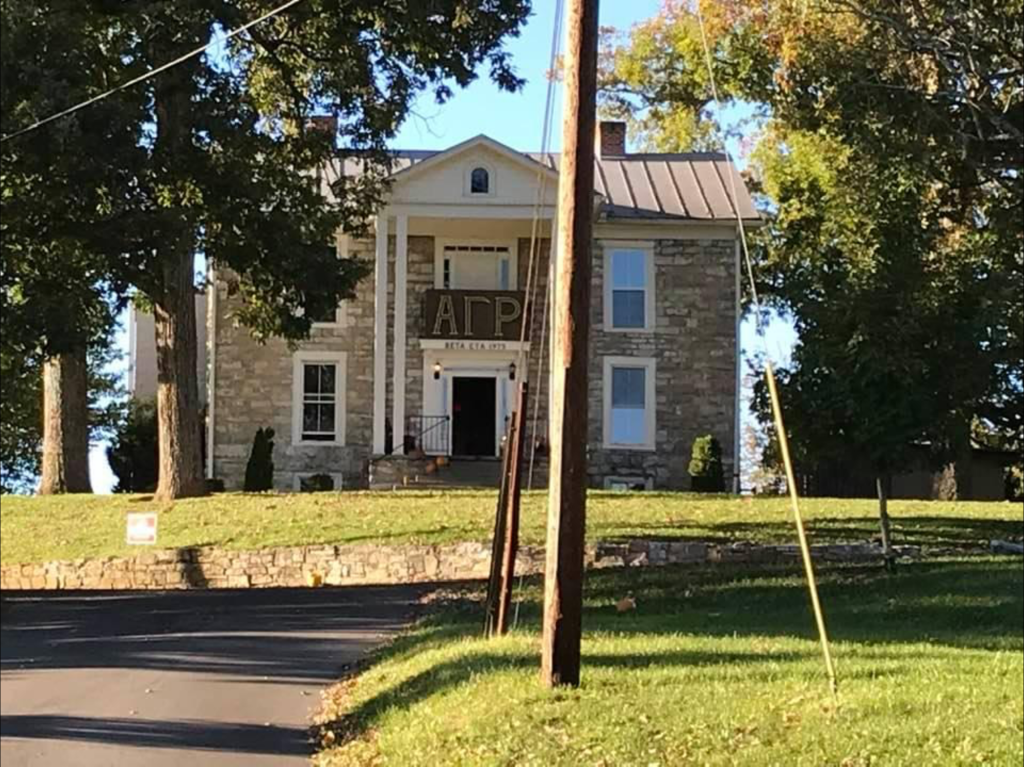
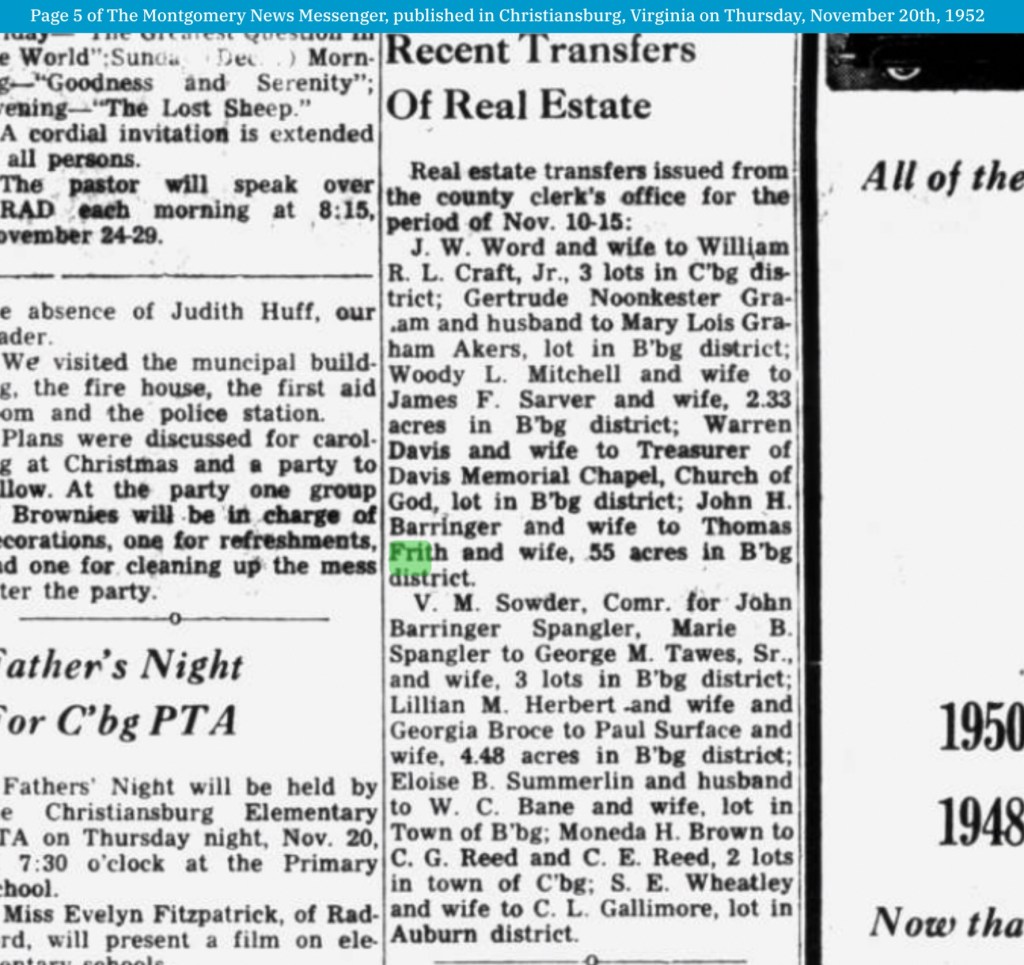
The Alpha Gamma Rho fraternity house Toms Creek and seen from Rt. 460 (western side) was once owned by Thomas Daniel (Dan) and Olivia Oliver Frith. They bought the house and property in 1952 from Barringer. Dan and Olivia raised and showed Saddlebred horses, Graystone Farm. Samuel Broce possible built the house in the late 1800s.
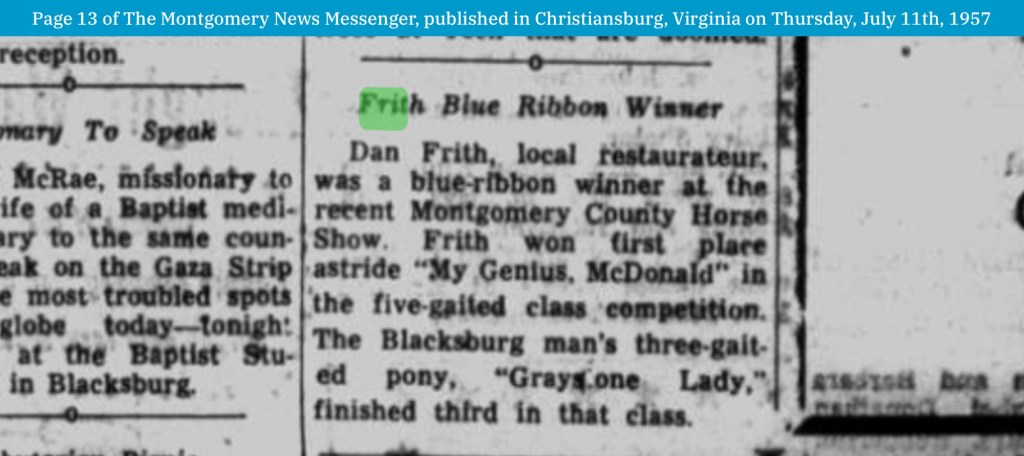
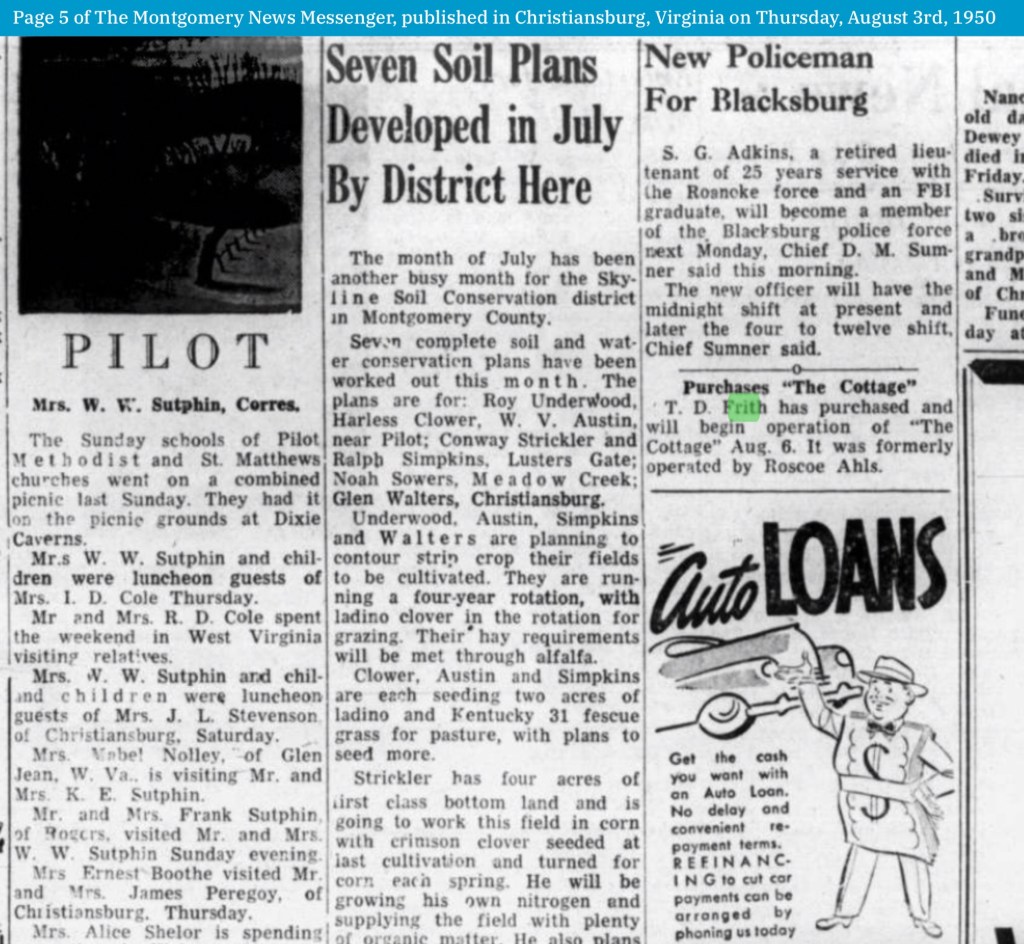
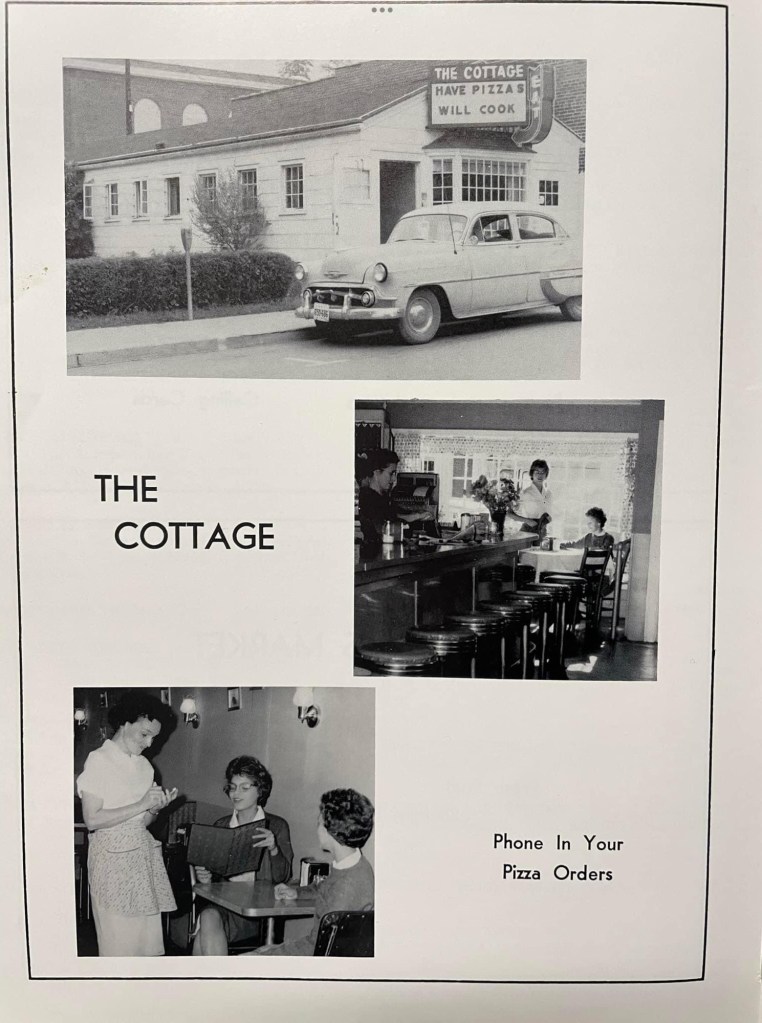
From the local newspaper on July 11, 1957: “Dan Frith, a local restaurateur, was the blue-ribbon winner at the recent Montgomery County horse show….” On August 5, 1950 be bought “The Cottage” on North Main Street, now gone but stood in the current Post Office parking lot.
For more information: That 70s Blacksburg, Restaurants of Yesteryears, Artstor photo of the 1990s interior
 Gathering Blacksburg History
This information is wonderful! Who is collecting this information and how can that person be contacted?
Thanks, Dan Frith
LikeLiked by 1 person
Hello Dan, thank for your kind comment. Our email is gathering.blacksburg.history@gmail.com. Any photos you wish to share would be a nice addition. Thanks…
LikeLike