Where to Find Blacksburg Information
Books, Documents, Genealogy, Images, Maps, Oral History, Video & More
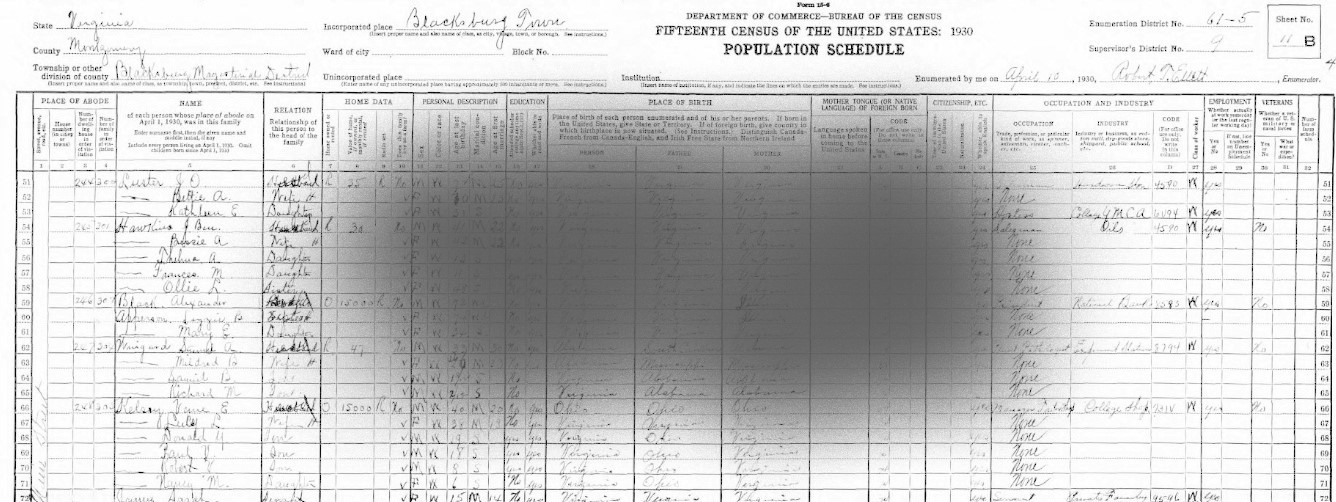
The New River Valley region has a wealth of repositories for primary source historical information. Much can be found within the walls of several museums and libraries. The information may be in the form of documents, artifacts, oral history, paintings, images, maps, etc. Some sources are now available online, but not all. We urge you to call or send an email to the museums to plan your visit. Because they rely on volunteers, their hours may be limited. The library hours are posted on their websites and more regular, but be mindful of holidays.
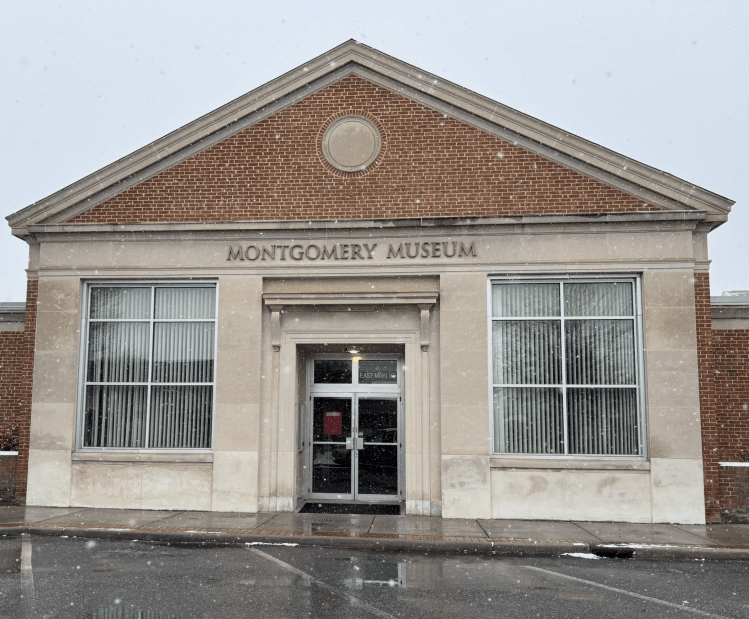
Special Note: The museum has bound and single copies of vintage local newspapers. If you into genealogy, several of the local family cemetery graves are photographed and identified. Lastly, the Dr. D.D. Lester photographic collection and the Lewis Miller Special Collection are found in their archives.
Montgomery Museum of Art & History
The museum is located in the heart of downtown Christiansburg at 4 East Main Street, on the northeast corner of Main and Franklin Streets, and shares a parking lot with the U.S. Post Office. It offers a rich collection of regional history resources, including archives, books, documents, genealogical materials, images, and periodicals. For the best access to archival materials, please call or email to schedule an appointment.
4 East Main Street, Christiansburg, VA. 24073
540-382-5644
Virginia Tech Special Collection and University Archives
This repository is a gold mine for local primary source information in the form of artifacts, documents, images, maps, newspapers, oral history and much more. The library has been actively digitizing their vast collection, but the bulk of it requires a visit. If so, please check out their website before visiting. They offer an online reservation service, which is highly recommended.
The access to the online sources has changed over the past year. These are two places to search: Virginia Tech Special Collections and University Archives and VTech Works Archive

Christiansburg Institute, Inc. Museum & Archives
Christiansburg Institute, Inc Museum & Archives digital collection provides access to historic records and documents related to the Montgomery County School Board, local families, and regional history research.
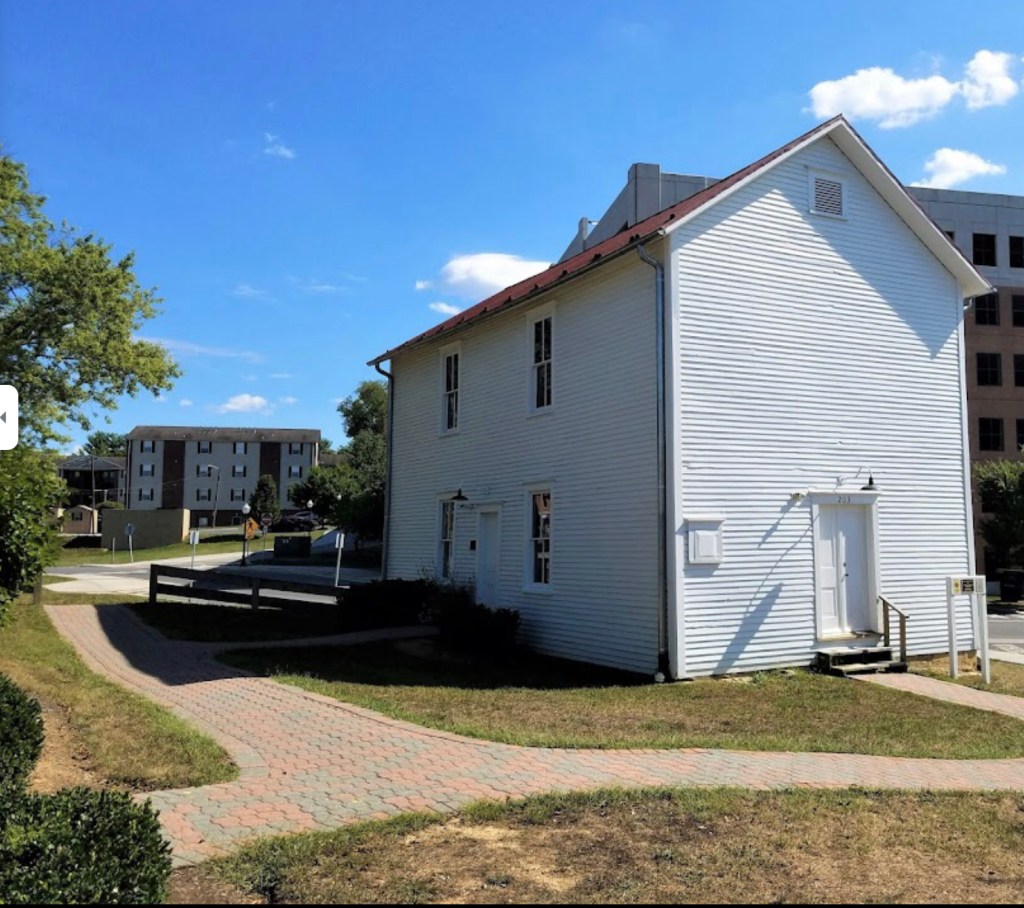
Friends of St. Luke, Odd Fellows & Household of Ruth
Friends of St. Luke, Odd Fellows & Household of Ruth is a coalition of community members—near and far—dedicated to preserving the historic 1905–1906 Hall, its broader historical context, and the legacy of the people who called this region home. The organization is a newly formed 501(c)(3) nonprofit committed to stewardship, research, and public engagement.
Over time, digital archives and online exhibits will be developed to share these stories more widely and ensure they remain accessible for future generations.
The St. Luke and Odd Fellows Hall is located at 203 Gilbert Street, Blacksburg, VA and owned by the Town of Blacksburg. To visit contact the Blacksburg Museum & Cultural Foundation.
Historic Smithfield
Historic Smithfield, located in Blacksburg, Virginia, is a well-preserved historic site that offers important insight into the social, economic, and agricultural history of the New River Valley. Built in the late 18th century, Smithfield reflects the region’s layered past, with interpretation centered on the more than 200 enslaved people whose labor sustained the Preston family’s farm and shaped the site’s history. Today, the museum preserves and shares a rich collection of documents, photographs, and artifacts that support research, education, and public understanding of the area’s history.
Blacksburg Museum & Cultural Foundation
The Foundation’s mission is to preserve, interpret, and promote Blacksburg’s art, history, and cultural heritage. The Foundation serves as steward of two historic buildings owned and restored by the Town of Blacksburg: a Victorian-style home built by Alexander Black (1857–1935) and Elizabeth Kent Otey Black (1859–1926), and the nationally recognized St. Luke, Odd Fellows & Household of Ruth Hall—an exceptional African American site listed on the National Register of Historic Places.
The Hall is one of the few recognized places in Blacksburg that holds significant Black cultural history. The other is the Fraction House, the former home of the Fraction family, who were enslaved by the Preston family.
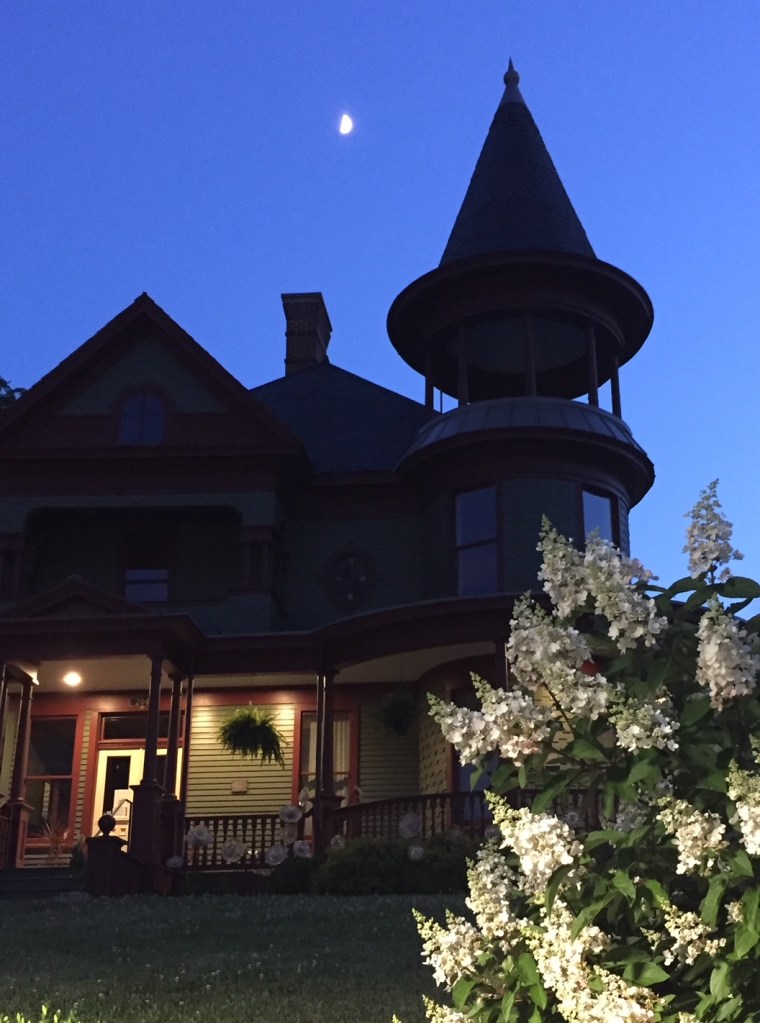
The Foundation’s offices are housed in a restored 1896 residence that formerly stood at the intersection of South Main and Lee Streets and was relocated in the early 2000s. From 1935 through that period, the building served as a funeral home operated by the Oakley, Hoy, and later McCoy families. Today, the museum features rotating art exhibitions and interpretations of Blacksburg history, offers genealogical research resources, and maintains a modest repository of local artifacts, books, documents, images, maps, and oral histories, along with a museum gift shop.
The Alexander Black House & Cultural Center is located at 204 Draper Road SW, between Washington and Roanoke Streets. Parking is available along Draper Road.
Meadowbrook Museum
The Meadowbrook Museum, located in the Shawsville, Virginia, Meadowbrook Center, is a collection of images, records, artifacts, first-hand accounts, and other historic memorabilia that tell the story of the Eastern Montgomery County community — its places, people, and industry.
Wilderness Road Regional Museum, Newbern, VA
The Wilderness Road Regional Museum is a two-story building in the heart of Newbern, Virginia, about one mile from Interstate 81. Owned and operated by the New River Historical Society since 1980, the museum occupies two former Hance–Alexander family homes that once served as residences and local businesses, including a tavern, general store, and Newbern’s first post office.
The second-floor Virginia Room houses the museum’s archives and genealogical library, while the six-acre grounds feature a detached kitchen, granary, loom house, and barn. Together, these spaces offer insight into life along the westward migration route and reflect the region’s deep local heritage.

Town of Blacksburg
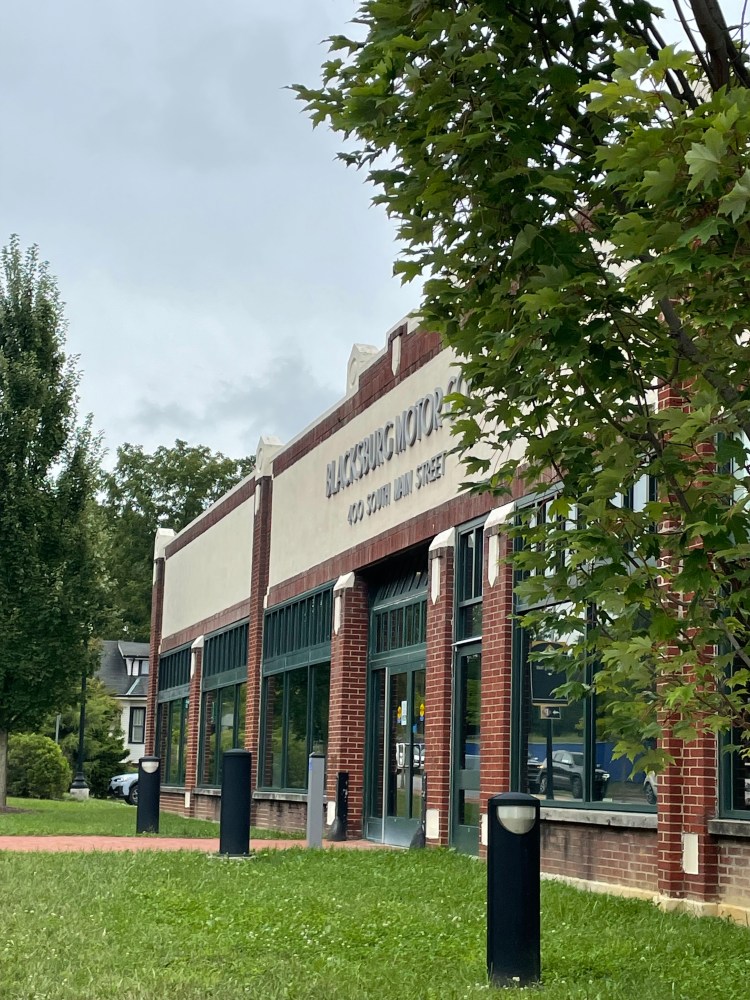
Town records and documents provide valuable information, especially infrastructure and contributing historic structures.

 Gathering Blacksburg History