
Brief History of the Clay Street School
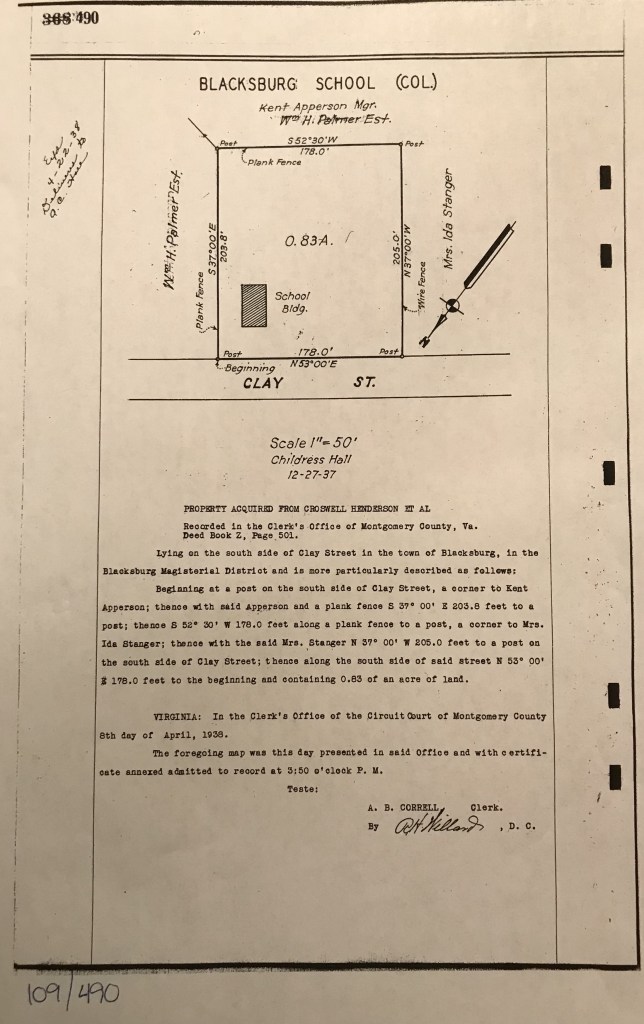
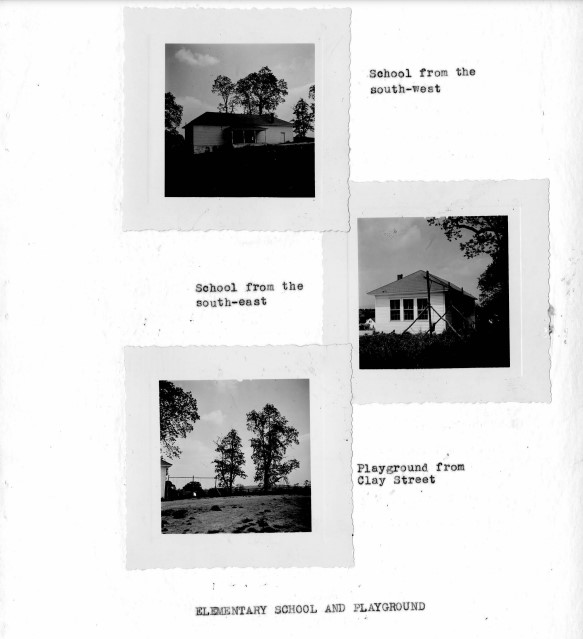
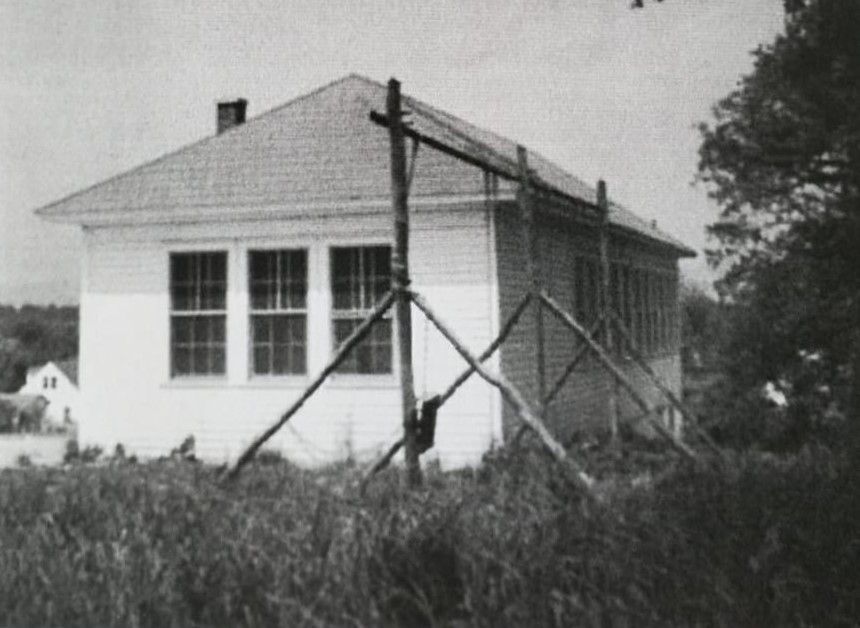
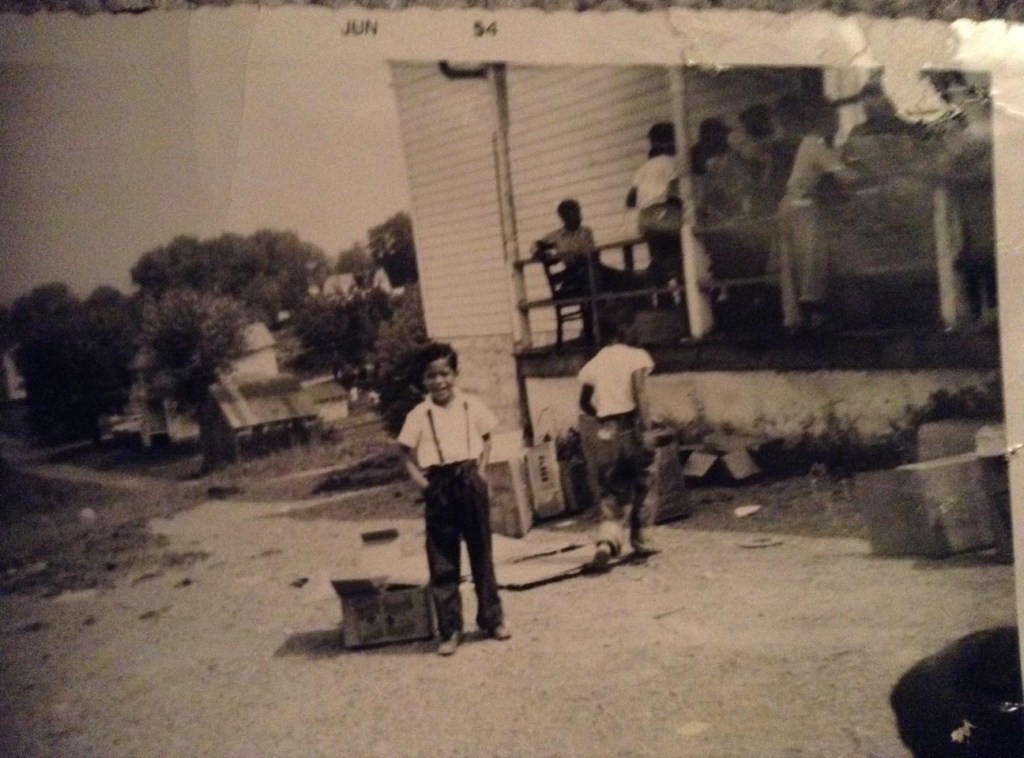
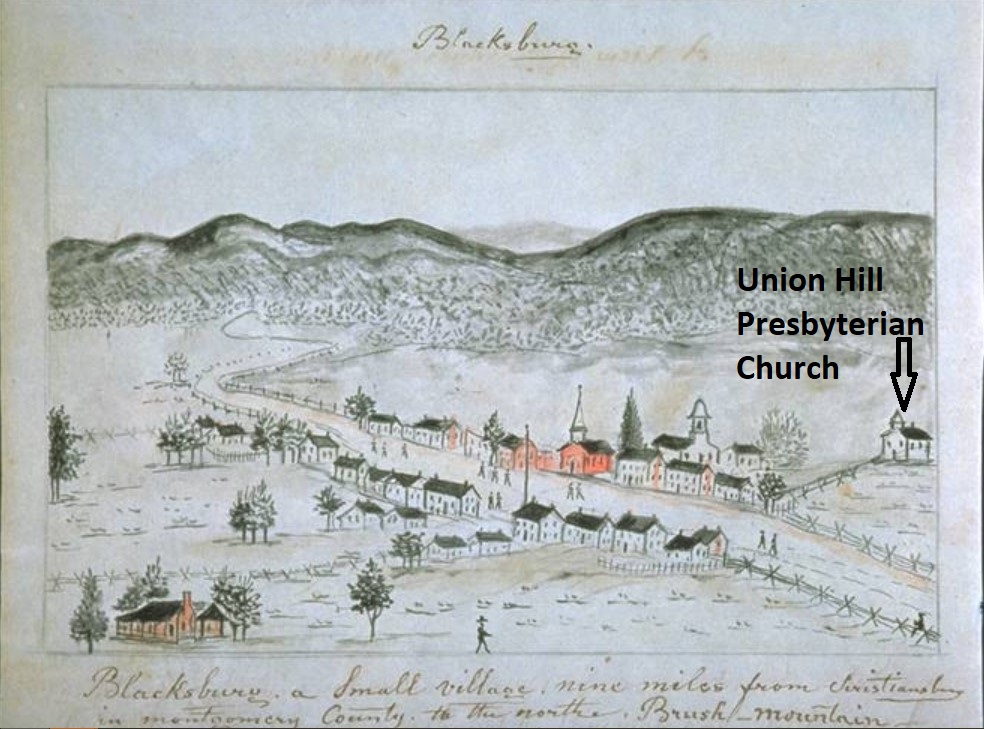
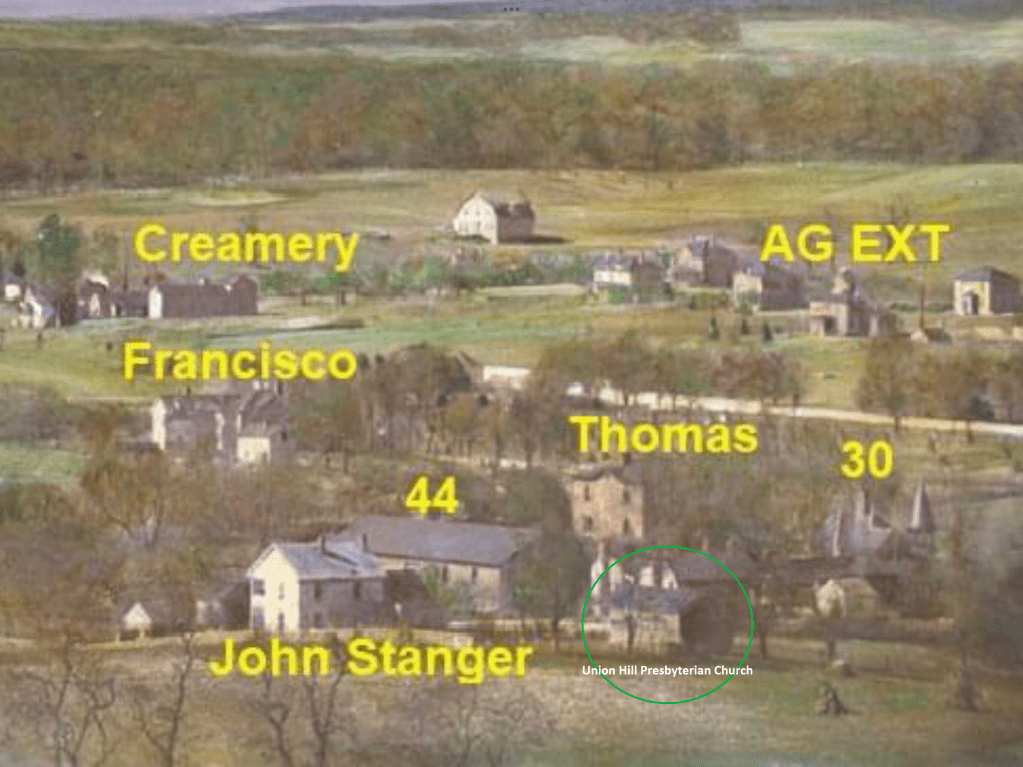
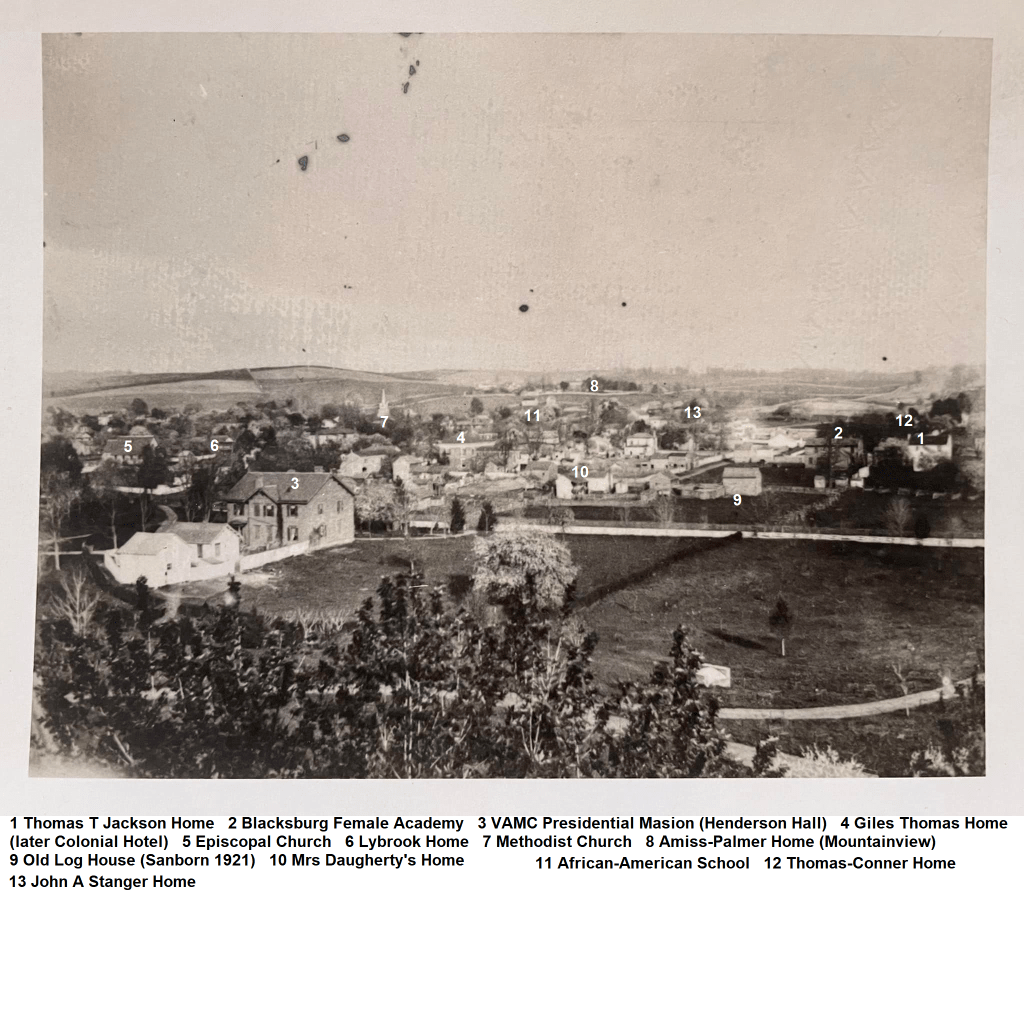
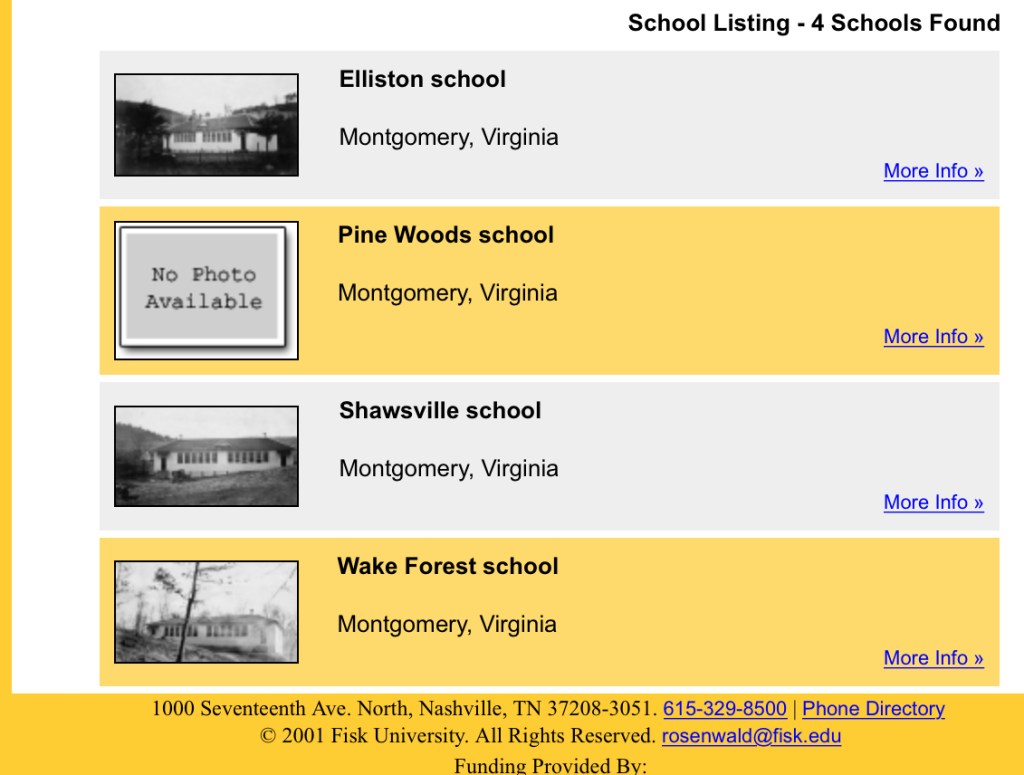
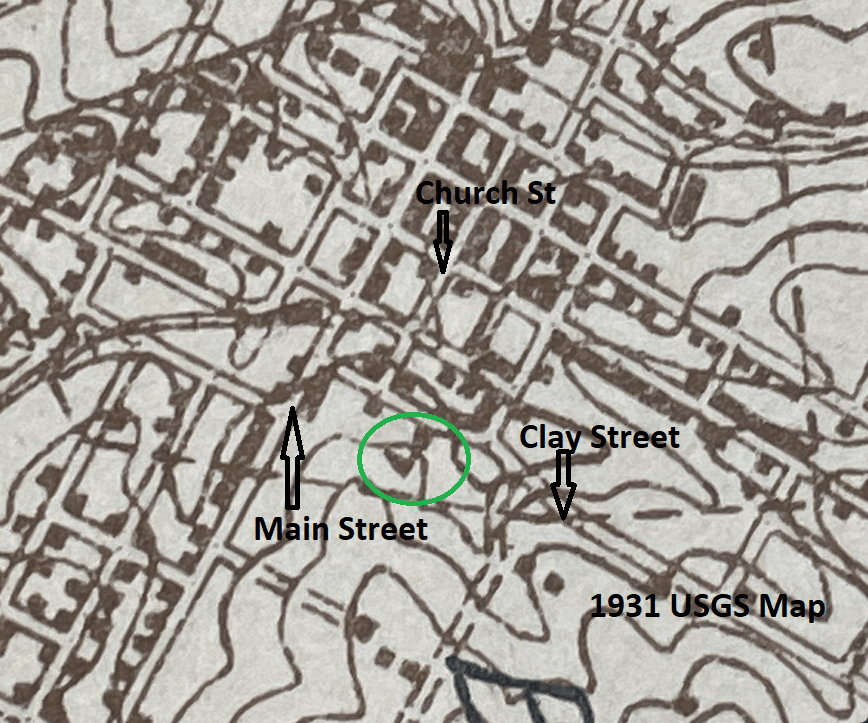
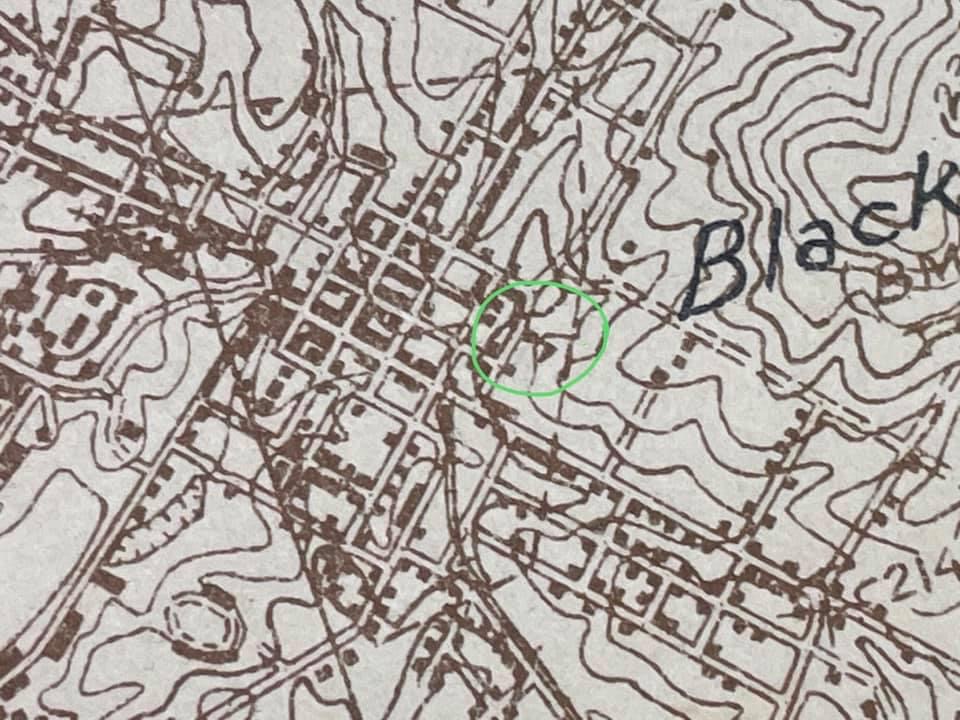
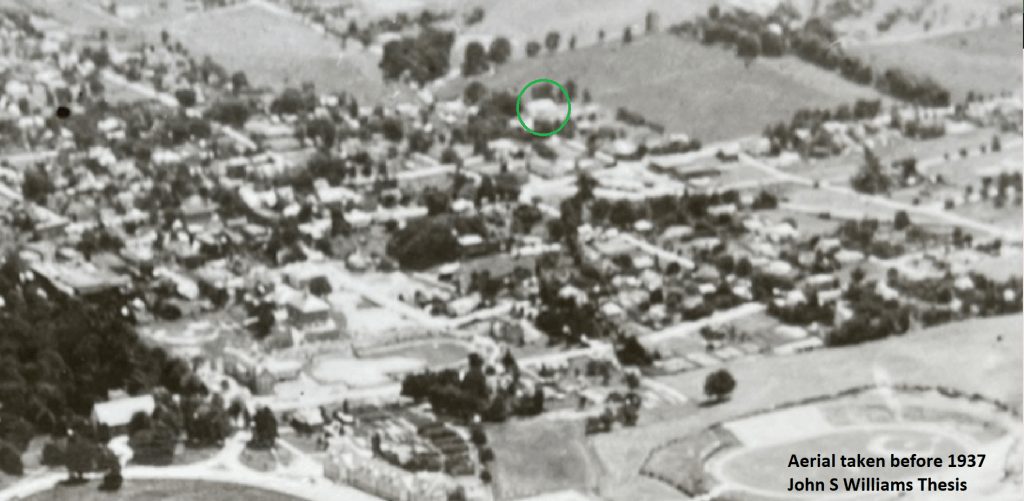
- This school was a segregated primary school during JIm Crow. It was located south of the intersection of East Clay and Penn Streets, on the site of the Union Hill Presbyterian church. We believe there were two schools built on the same site. The 1921 Sanborn Map indicate the school was oriented west to east, which would have been the typical orientation of a church. The photos of the school in Martha Shupp Phillips’ 1948 thesis orient the school from north to south. The aerial photos from the 1930’s, which are posted in the gallery, provide faint shadows of the same orientation in the 1938 deed and Phillip’s photos. Also curious is that this school is very similar style to those built by the Julius Rosenwald Fund, with hip roof design and a bank of East/West windows. Most of those schools were built between 1921 and 1932. This building is similar to that in the African American Wake Forest community, near McCoy.
- A school was noted on the following maps: 1900, 1921 Sanborn, 1932, 1940 School Census, and the 1948 Martha Shupp Phillip’s Thesis map
- School was closed in 1953 when the students moved to the Blacksburg Graded School located in the Jackson/Bennett neighborhood, accessed by Old Harding Rd.
- The building was razed sometime after the Main Street High School was occupied. Students of the high school reported seeing the building up the hill in the early 1950’s.
Documents
Garnett, William Edward, 1885-1970. A Social Study of the Blacksburg Community. Blacksburg, Va.: Virginia Polytechnic Institute. Virginia Agricultural Experiment Station, 1935.
https://hdl.handle.net/2027/uiug.30112019901153
Martin, Tracy A.. Black Education in Montgomery County 1939-1966. 1996. Virginia Tech Masters Thesis. https://vtechworks.lib.vt.edu/bitstream/handle/10919/44796/LD5655.V855_1996.M376.pdf?sequence=1&isAllowed=y
Thorp, Daniel B.. Facing Freedom: An African American Community in Virginia from Reconstruction to Jim Crow. Charlottesville: University of Virginia Press, 2017. Print
Social Media
Gathered information and memories from Blacksburg, Memories of the Way We Were, Facebook Conversation
Jim: This looks like the school that was on Clay Street. I lived at the corner of Clay and Main and the bus would stop at the corner and the kids would get off and walk to the school. The school was operational at least in the late 40s. The school was build up from the road and on a slope. My paper route took me by there every day.
Ed: I’m glad to be getting some eye witness accounts. According to Dr W B Conway, in the 1870s, a school was there that had two stories.; a school for black kids downstairs, and the Odd Fellows met upstairs. Was the building you recall two stories?
“In Old Blacksburg” 1916, by W B Conway. This is his memoir of Old Blacksburg when he arrived in 1870.
“Now I will tell you something of the old town and her people when I first met them. In my ramblings a few days ago around the town (that part of it that I knew so well in 1871), it brought back to my mind many incidents and memories of my youthful days. The names of the old citizens and the locations of their homes. For the benefit of those who also may recall the past, I want to draw a picture of the town as I remember it by naming over those old families and pointing out their homes. On entering the town on Main Street from the east [southeast ] , on the righthand side off from the road, was the present beautiful large brick building, the summer residence of Col William H. Palmer , of Richmond, Va . On reaching Clay Street and turning [northeastward] to the right was the residence of John A. Stanger, first mayor after it was incorporated . Beyond his home was the site of the present negro school ; the hall above was used by the Masonic order.”
Jim: Seems to me it was. I remember a white building up on a high bank above the road with a sloping area that a vehicle could be driven up. However in the late 40s there we just a few back families in the area.
Linda: I spoke to my friend who remembers a small white wooden building that was used as a school for black children. That school sat on Clay Street where the old BHS was built in the 50’s. It was probably torn down around 1952 when the new school was built. It was across from First Baptist Church.
Image Gallery






We Need Your Help
Please don’t hesitate to reaching out. Check out the comment section below or send us an email if you have information, memories or memorabilia.
 Gathering Blacksburg History