

How did residents of Montgomery County, in Central Appalachia, Virginia, purchase essentials during the Colonial period and into the early years of the United States Republic?
Colonial Virginia
The British government restricted colonial Virginia from minting coins, printing paper currency, or establishing banks. Instead, silver and gold coins from England, Spain, Germany, and Portugal (known as “specie”) were commonly used, with the Spanish Milled (Reales, Bits, Pieces of Eight) Dollar being particularly popular. This large silver coin with consistent silver content and preferred, also called “pieces of eight,” was often cut into eighths, or “bits” for fractional value transactions. Merchants typically had their own scales (calibrated at the courthouse) and reference almanacs to calculate exchange rates for coins from various nations.
In 1755, the Crown allowed Virginia to issue paper bills of credit. Although these were not currency, they served as a form of credit similar to modern credit cards. However, the risks of counterfeiting and fluctuating values limited their acceptance.
A complex system of credit and bartering was widely practiced. The Spanish Milled Dollar remained the primary form of currency until after the Revolutionary War, and continued in use until it was banned in 1857.
Story of the Copper Coins
Colonial Virginia, as an English colony, used the currency system of its mother country, based on silver pounds (sterling at 92.5% purity). The exchange rate for Virginia varied annually and was always valued lower than English pounds. Almanacs published these rates each year.
Although English coins were scarce, they were used in trade. The silver coins included shillings (20 shillings equaled one pound) and crowns (one crown equaled five shillings), while the primary gold coins were the Guinea (worth 21 shillings) as well as Two and Five Guinea coins.
Due to the shortage of hard currency—whether English, Spanish, French, or German—merchants ledgers included columns for Virginia Exchange Pounds (£), Shillings (s), and Pence (d), where one shilling equaled 12 pence or 24 half-pence.
Copper pence and half-pence were especially scarce because the copper content was worth more than their face value, leading to hoarding and shortage. Many items in merchants’ shops were priced in pence or even half-pence, making it difficult to provide exact change. Instead of small change, merchants often maintained a running tab for customers, who would settle their accounts when the balance was large enough to pay with shillings or Spanish milled coins.
In an effort to address this currency shortage, Virginia minted large copper half-pennies in 1775, just 50 days before the start of the Revolutionary War. However, these coins were quickly hoarded, and the cycle repeated each time copper coins were issued, placing a heavy burden on the poorer population. When large one-cent and half-cent coins were introduced in 1793, they were welcomed by the public, but during times of war or financial crisis, these large copper cents were again hoarded.
Revolutionary War
In 1775, during the war, the Continental Congress began issuing notes to pay soldiers, marking the first use of a currency not backed by silver or gold—much like today’s paper money, which has no intrinsic value. However, widespread counterfeiting and low public confidence plagued these notes, causing them to lose value quickly.
New Republic
In 1778, the Articles of Confederation permitted both Congress and individual states to issue their own currency. However, leaders like Benjamin Franklin advocated for a unified national currency, either through a national mint or an authorized third party. The Treasury seal was drafted.
Nine years later, in 1787, the signing of the Constitution granted the Federal government the authority to issue currency, regulate its value, punish counterfeiters, and prohibit states from creating their own money.
In 1789, Alexander Hamilton was appointed as the first Secretary of the Treasury and guided the decision to model U.S. currency after the Spanish Milled Dollar, with decimal-based denominations. Three years later, in 1792, Congress authorized the establishment of a national mint to produce gold coins (eagles, half-eagles, and quarter-eagles), silver coins (dollars, half-dollars, quarter-dollars, dimes, and half-dimes), and copper coins (cents and half-cents).
Large copper one-cent pieces were first minted and circulated on March 3, 1793. The minting process was initially slow, producing only 11,173 copper coins. Silver coins were introduced in 1794, followed by gold coins the next year.
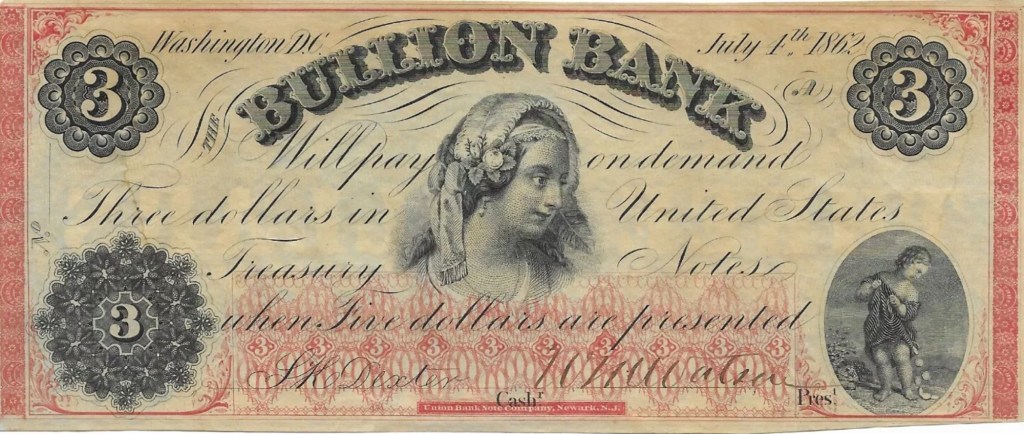
During the Free Banking Era from 1837 to 1866, state and federal banking laws were relaxed, allowing banks, shops, churches, individuals, and even state governments to issue their own currency. Many of these currencies became worthless over time. The era concluded with the passage of the National Bank Act of 1863.
Civil War – Years of Rebellion
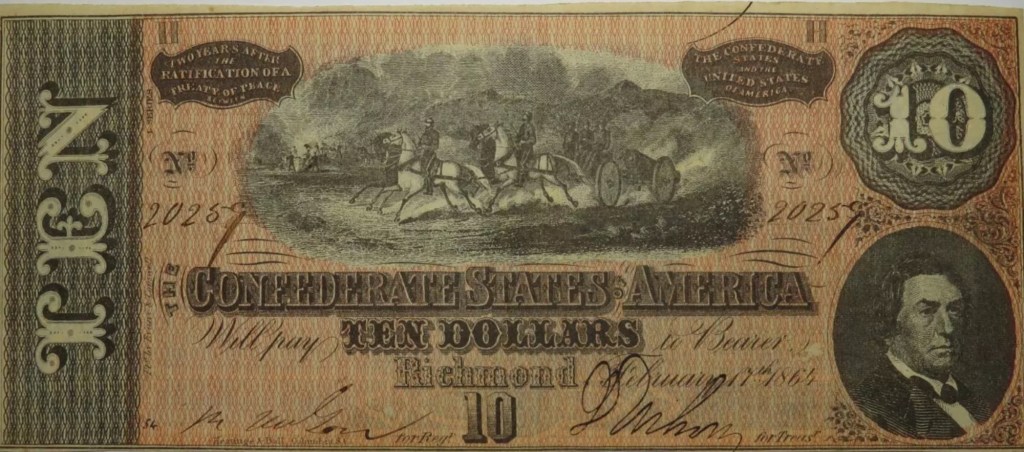
When the Southern states rebelled against the United States from 1861 to 1865, Confederate bills were printed and circulated based on the promise of value stemming from their secession from the Union. However, by the time General Lee surrendered to General Grant, the value of these bills had plummeted to zero.
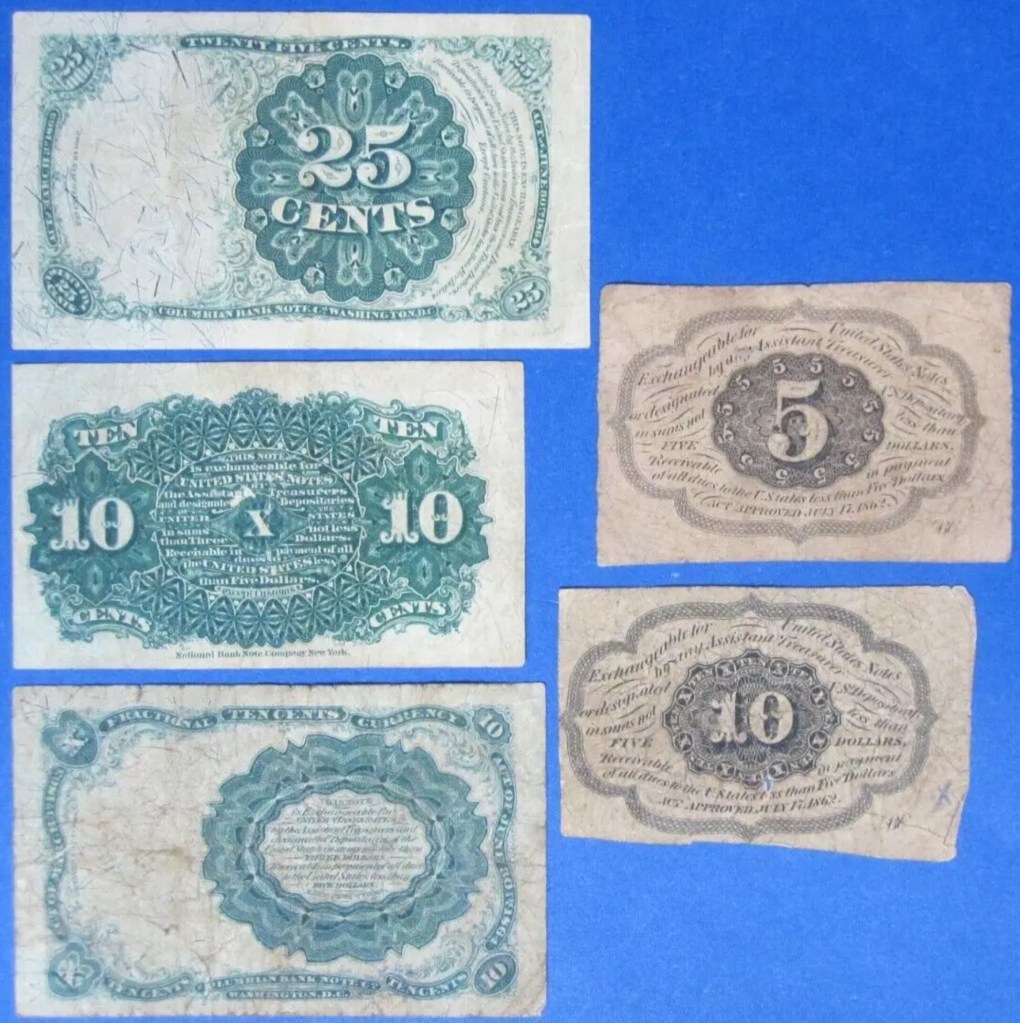
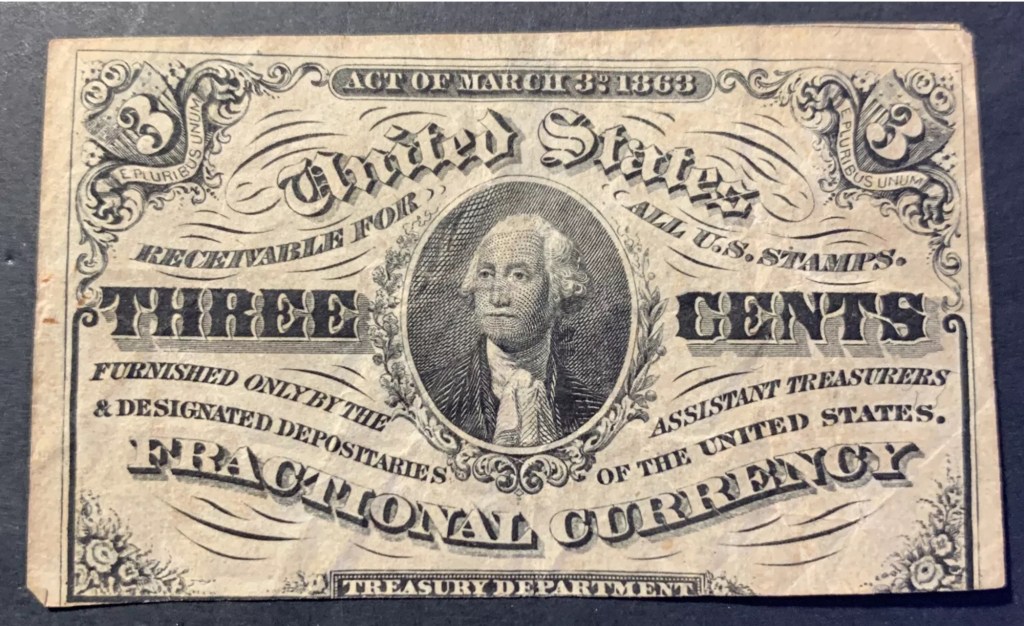
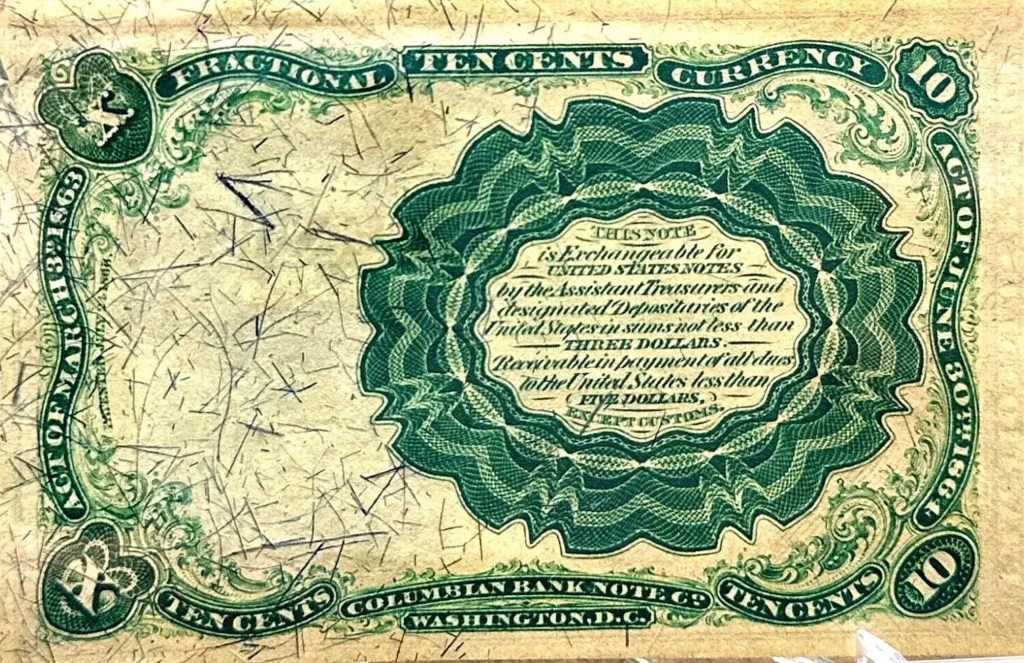
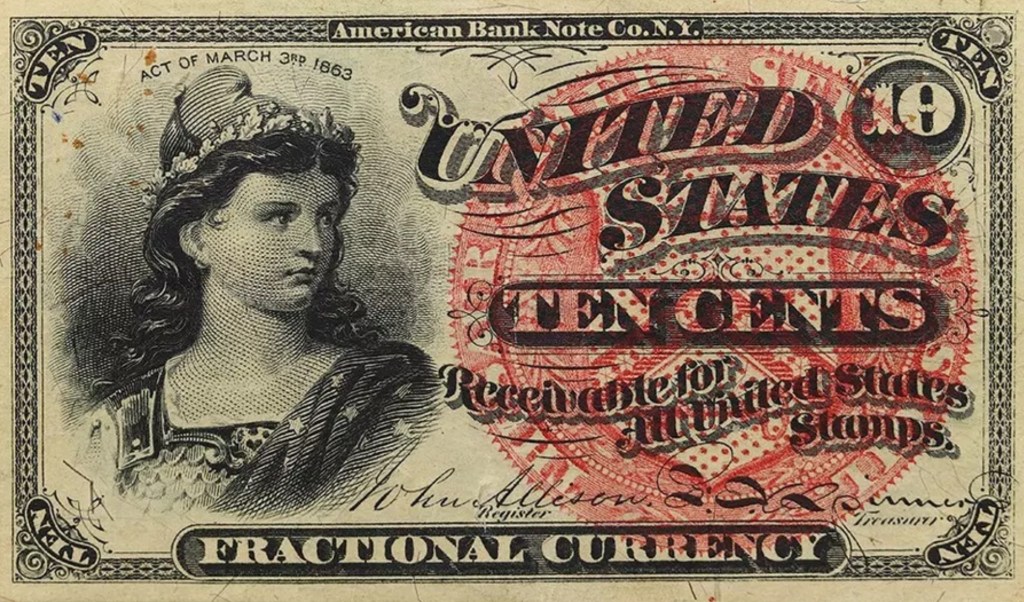
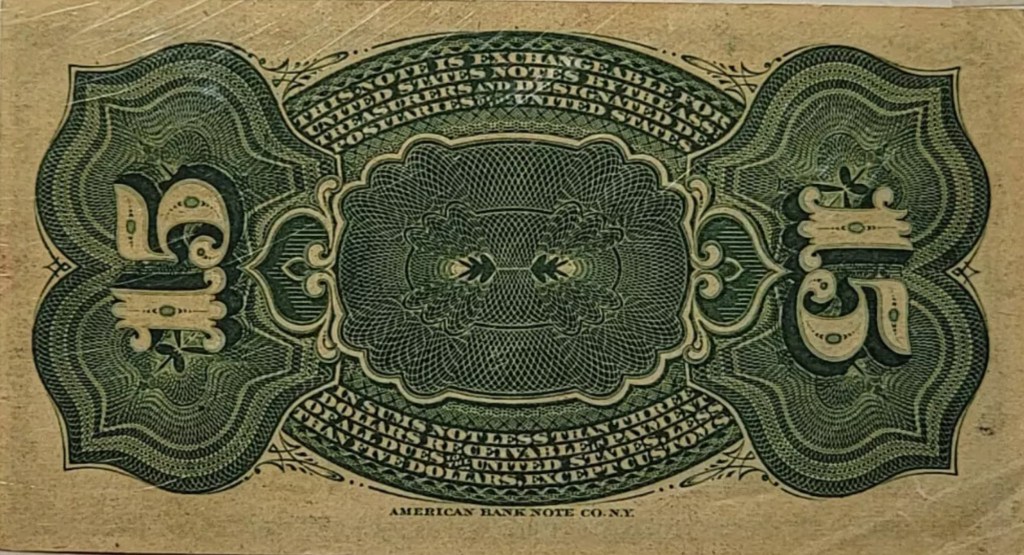
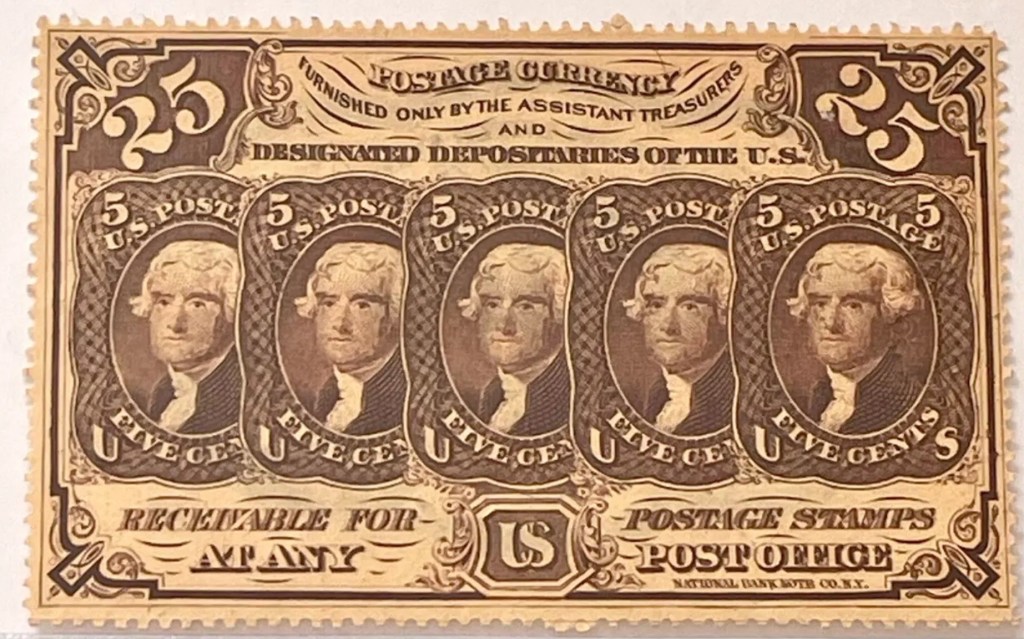
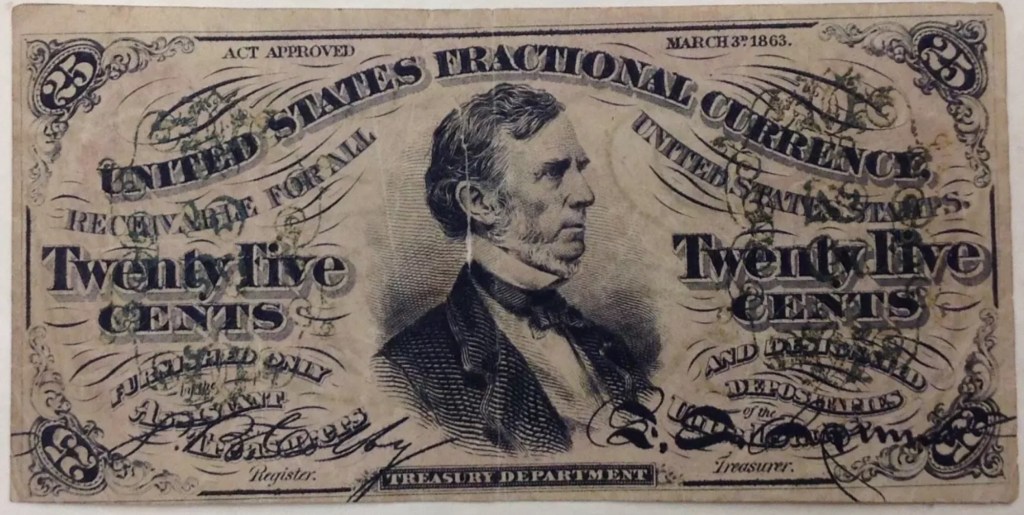
During the Civil War, a desperate shortage of small (fractional) change arose due to the hoarding of gold and silver coins. To address this, US Congress authorized the use of postage stamps as temporary “Fractional Currency.” From 1862 to 1876, over $368 million in Fractional Currency notes, ranging from three to fifty cents, were issued. Nicknamed “shinplasters,” these smaller notes were phased out after the war, with Congress ceasing production by 1876.
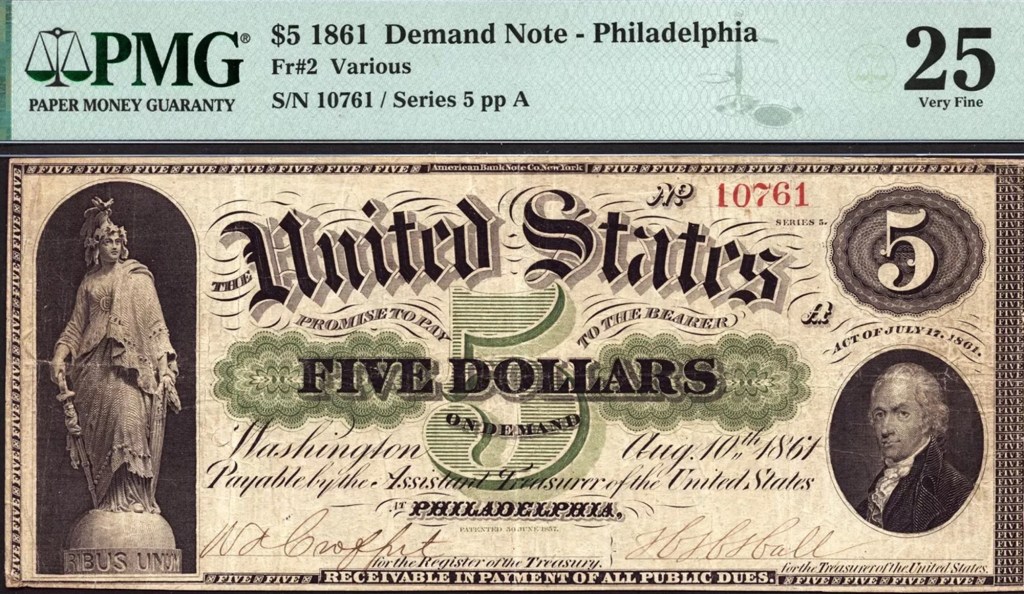
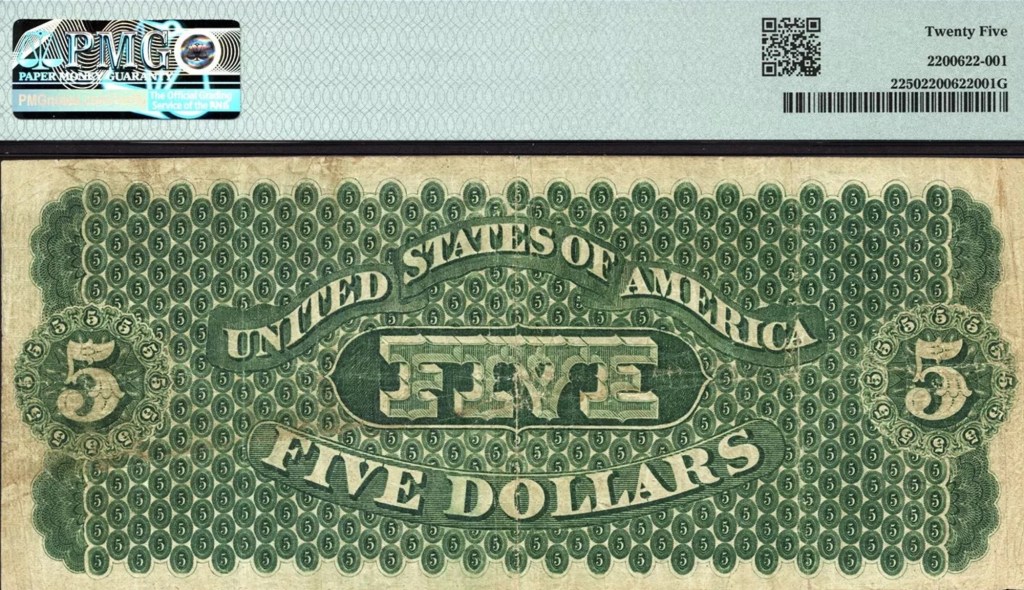
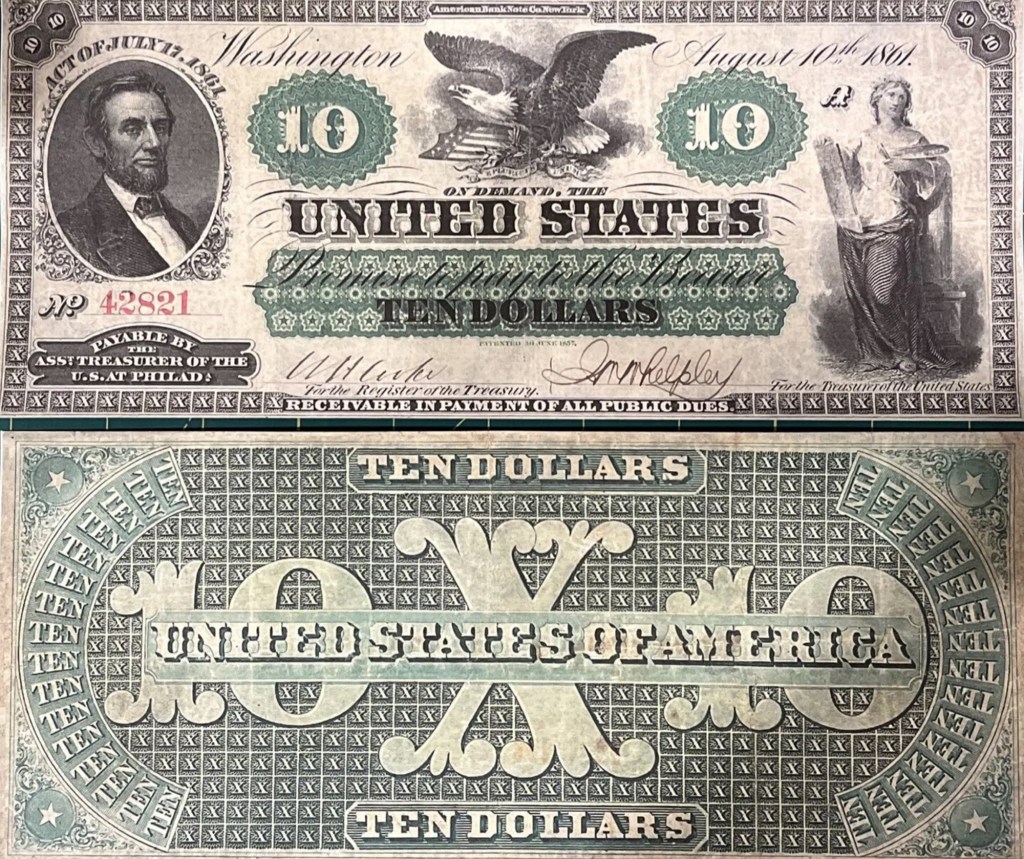
In 1862, the U.S. Treasury introduced its first paper currency, Demand notes, in $5, $10, and $20 denominations to finance the Civil War. Also known as “greenbacks,” these notes were redeemable in coin on demand. Additionally, Interest-bearing notes, issued from 1861 to 1865 helped finance the war.
US Coin Production
The Coinage Act of 1792 mandated that the Federal Government purchase copper to produce one-cent and half-cent coins, which were critically scarce. In March 1793, the U.S. Mint in Philadelphia released 11,173 large copper cents to the public. Coin production was a slow process in these early years: copper ingots were flattened using horse-power, and each planchette (blank) was individually stamped using a screw press with upper and lower dies, and finished by hand. By 1816, steam power was introduced to speed up production. To further modernize operations, the Mint sent Franklin Peale to Europe in 1833 to study more efficient minting techniques.
The early history of U.S. currency production is complex, with a greater variety of coins in circulation compared to the modern types we use today. During the 1800s and into the early 1900s more than 14 different coins (10 denominations) were actively used in everyday transactions. The coins included a diverse range: copper half-cents, two sizes of copper one-cent coins, a two-cent coin, three-cent nickel and three-cent silver (trime), silver half-dimes and dimes, a nickel five-cent coin, silver, 20-cent and silver quarter-dollar (2 sizes), half-dollar, and dollar coins. This variety was extensive, even excluding the gold coins also in circulation.
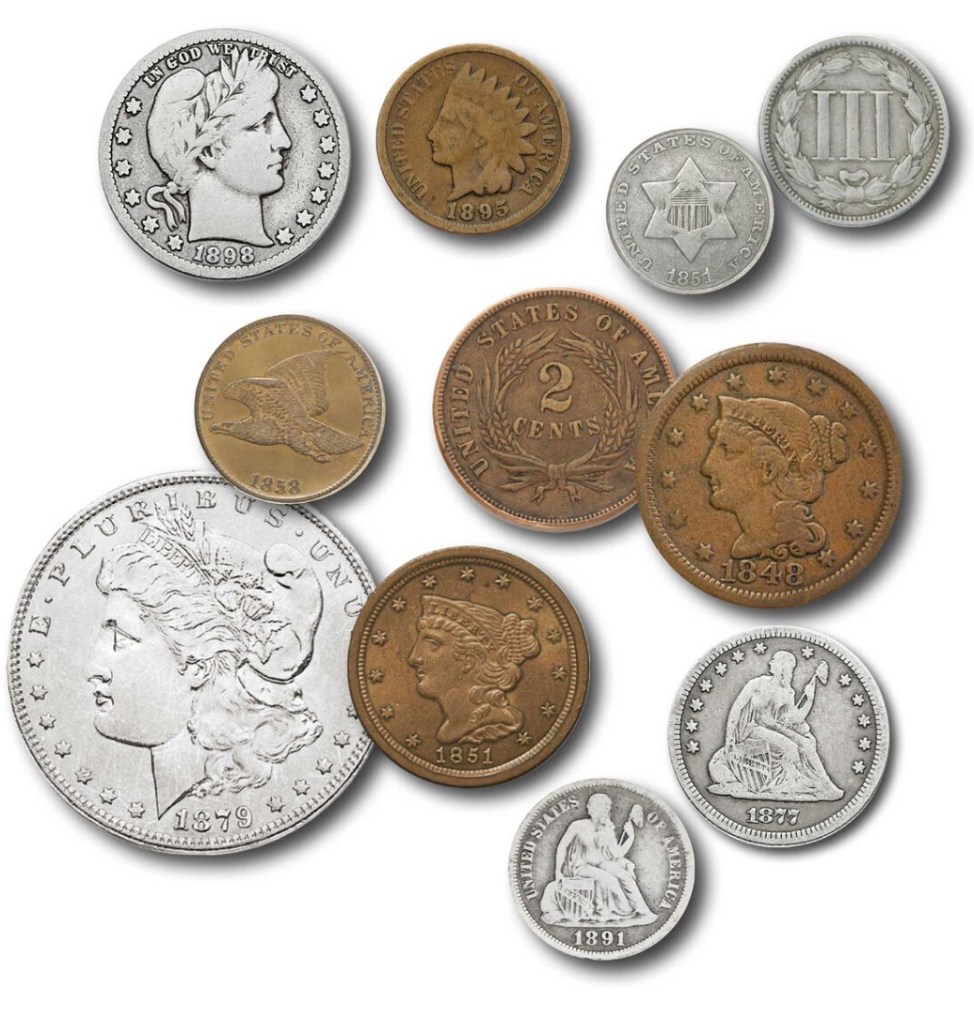
Half-cent & One-cent Copper Coins
In the late 1700s, copper was sourced from mines in the colonies, but shortages were common. As mentioned earlier, the copper content often exceeded the coin’s face value.
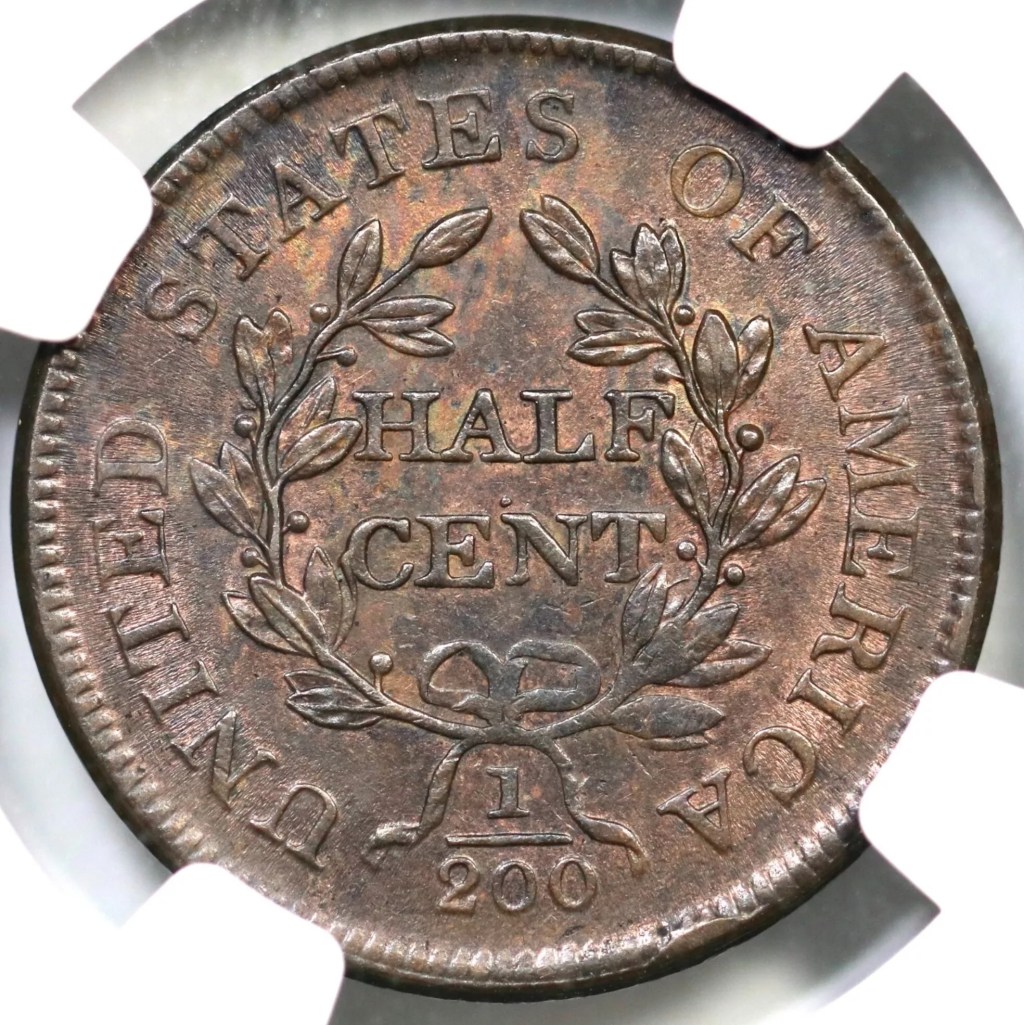
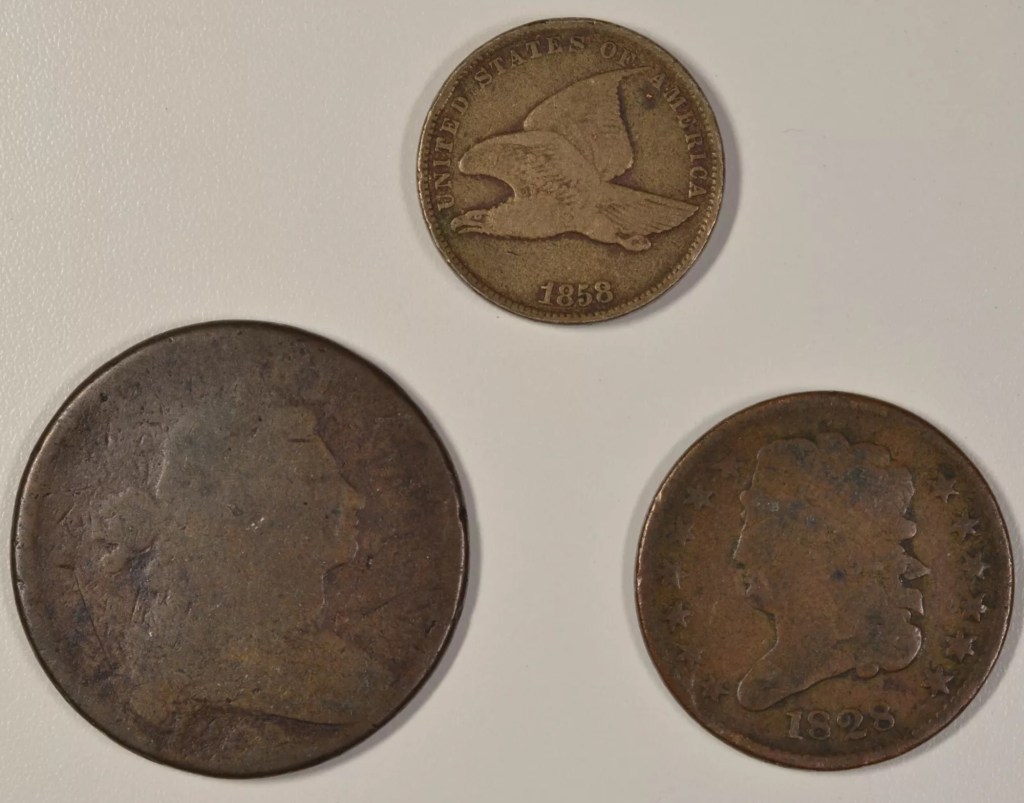
As with all minted coins, the size, metal content, and design of copper coins changed over time. The first large copper cent and half-cent were about the size of today’s half-dollar. The Draped Bust Head (1800-1808) half-cents was the last coin to include the denomination spelled-out as well as the fractional value. The half-cents were not popular and at times, especially between 1836-1848, none were minted.
One-cent Copper Coin Designs over Time
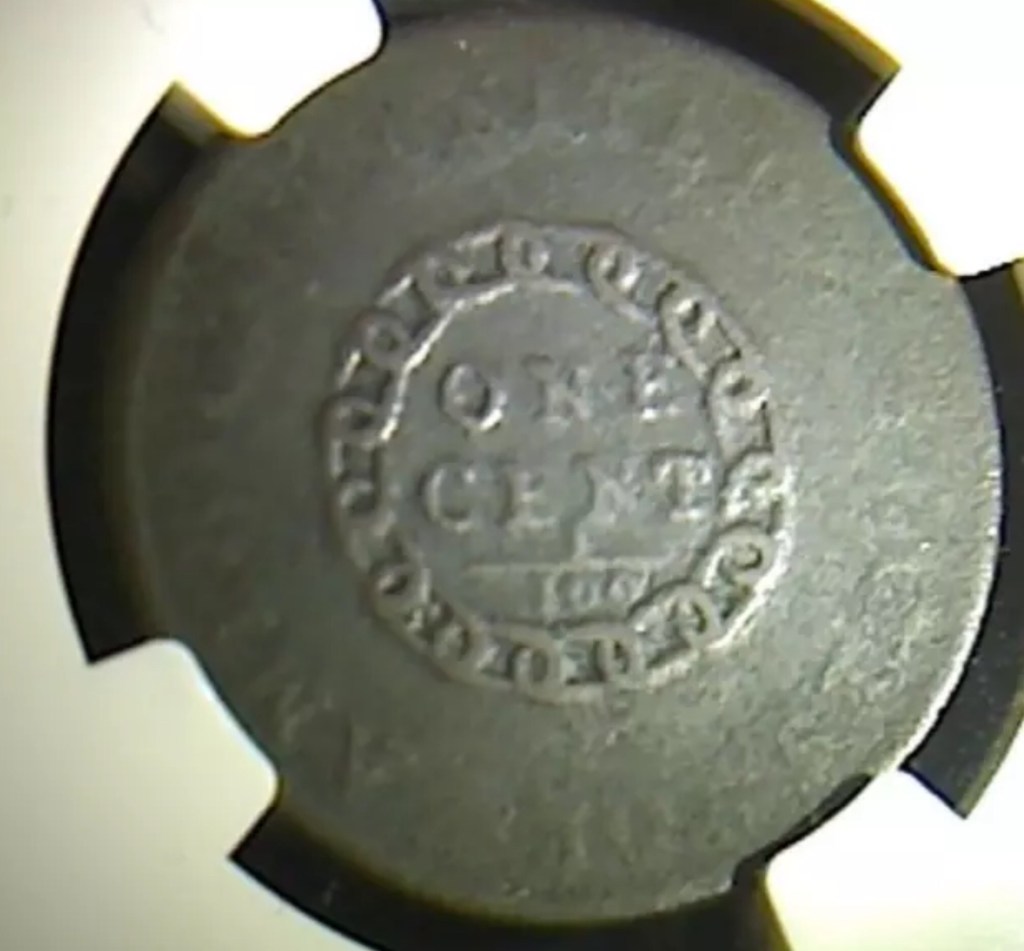
- The initial design for the one-cent coin featured a portrait of Liberty with flowing hair on the obverse (head side) and a ring of chains on the reverse. This coin was minted from February 27 to March 12, 1793, but was discontinued due to concerns that the chain symbolized slavery.
- April to July that year, the chain design was replaced with a wreath.
- Summer of 1793 until 1796, the obverse featured Liberty with a cap, while the reverse displayed a wreath.
- 1796-1807 – Liberty design with a draped bust, headband with “Liberty” by Gilbert Stuart.
- 1808-1814 – Classic Liberty head by John Reich facing left. During the 1812 the quality was poor due to the War of 1812.
- 1816-1839 – Coronet (Matron) head by Christian Gobrecht
- 1839-1857 – Braided head design by Christian Gobrecht, the last large copper cent. The large cent was not popular and few were circulated beyond the large towns.
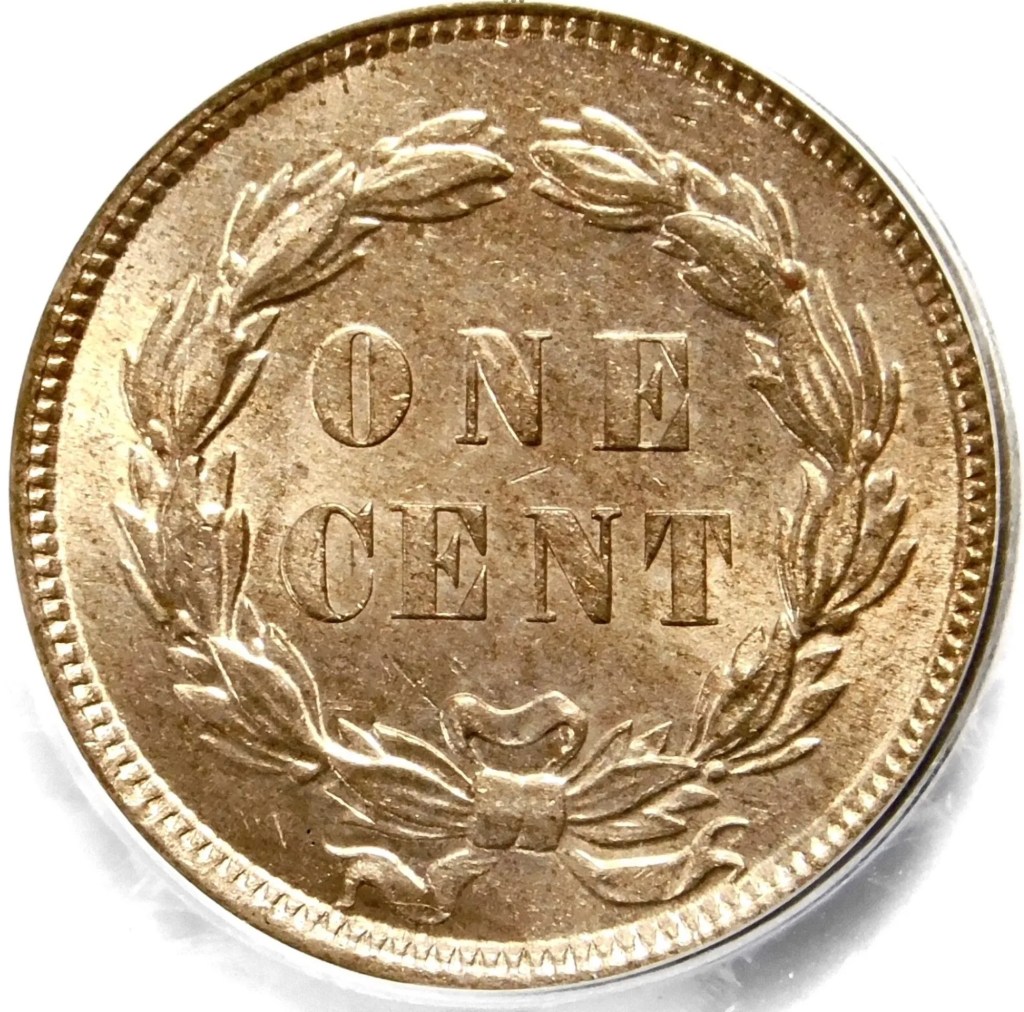
- 1856-1858 – The first smaller coin with a flying eagle on the obverse side and wreath on the tail side was designed by James Longacre.
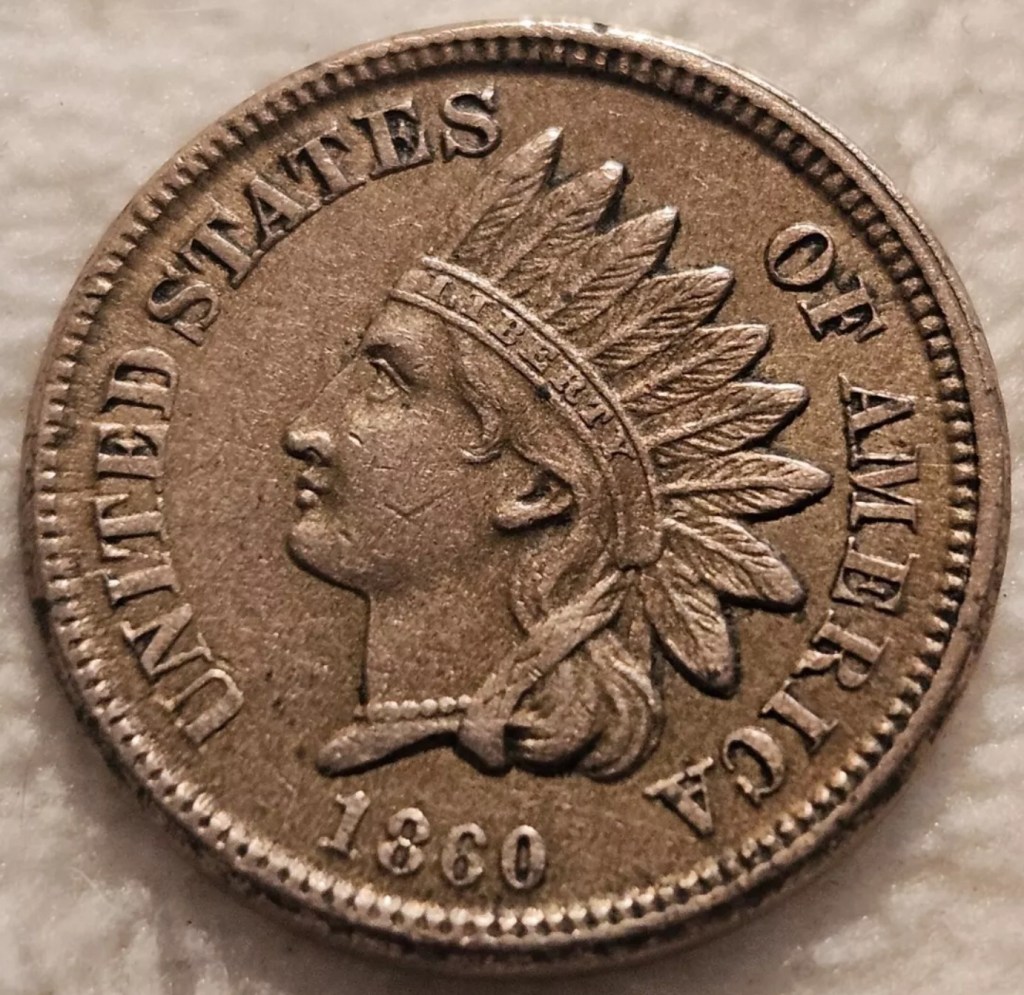
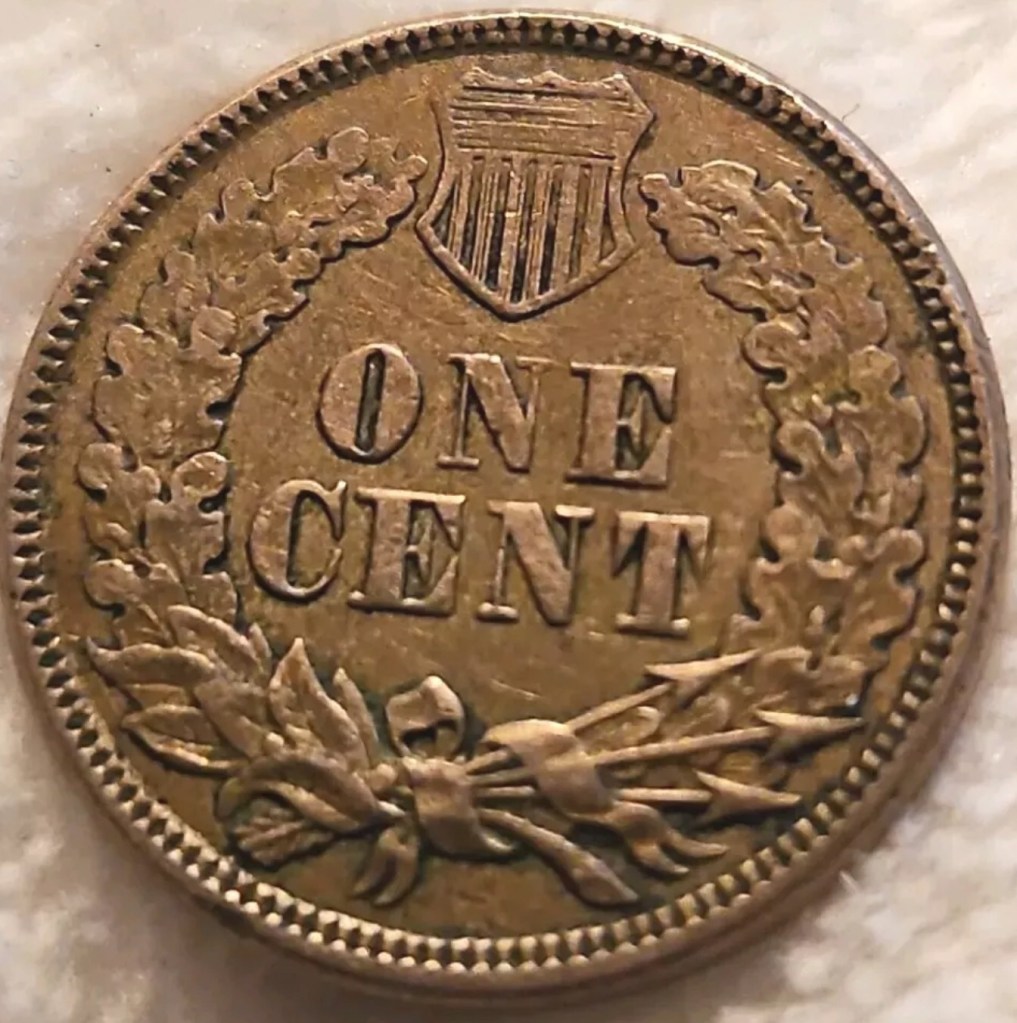
- 1859-1860 – This coin became known as the Indian Head cent. The figure on the obverse was Liberty, depicted wearing a stylized indigenous feather headdress. The design, however, overlooked the hardships faced by Indigenous peoples, who were being forcibly relocated to reservations against their will. The reverse side featured a wreath. Prior to 1864 the coin was referred to as the “White Cent” because of the high ratio of nickel to copper.
- 1860-1909 – Same obverse but the Union Shield with wreath was substituted for the wreath as a reminder to the southern states of the strength of the union. Due to the rebellion and discourage hoarding, bronze was substituted.
- 1909-2008 – This cent piece was minted for the anniversary of Abraham Lincoln’s 100 birthday. The tail side was Wheat from 1909-1958.
Two-cent Coin
The 2-cent copper coins were minted between 1864 to 1873 in reaction to the Civil War induced coin shortage. It was twice the weight of a copper penny. This coin was the first to be minted with the words: “In God We Trust”
Three-cent Coins and Postage
In 1851, the U.S. postage rate dropped from 5 cents to 3 cents, prompting the U.S. Mint to issue a tiny (14 mm) silver coin called the trime (1851-1873). This coin, however, was unpopular because it was so small and easy to lose. To address this, the US Mint released a larger 3-cent coin made of copper-nickel alloy in 1865 until 1889. This new coin was used primarily for buying postage but also served as convenient change for higher denominations.
Five-cent Coins – Half-Dime and the Nickel
From 1772 to 1873 half-dime (disme) coins were minted in silver. The tiny (16.5 mm) size of the half-dimes made them unpopular. In 1861, with the onset of the Civil War, silver, gold, and copper coins were hoarded, prompting the U.S. Treasury to issue Demand Notes in various denominations, including five cents. After the war, in 1865, the Treasury introduced coins made of nickel and copper, which had low intrinsic value and were less likely to be hoarded. By May 1866, 15 million nickel coins were minted featuring “In God We Trust” along with a star and ray design. The previous year, 1.5 million silver half-dimes had been issued.
The nickels were popular and became the go-to price of some goods, labor, transportation, etc.
Mystery of Half-Dime July 1792 Minting for Thomas Jefferson – first US minted coin
When were the first U.S. coins minted and circulated? Numismatic scholars have debated this question since the early 1800s. The traditional story suggests that George Washington sent his silver tableware to be turned into half-dimes, which he then distributed as gifts. However, nearly 225 years later, records from Thomas Jefferson revealed that he personally consigned his own silver to a contractor, who minted it into half-dimes in July 1792, before the U.S. Mint was fully operational. Notably, Jefferson’s records indicate that he used these half-dimes as currency, marking the first such usage in the nation. The photograph of the coin – Smith, Pete, Joel J. Orosz, & Leonard Augsburger, A More Accurate History of the 1792 Half Disme: A tale of three sources, two strikes and one President. July 14, 2020 (Accessed November 2024)
Ten-cent Coins
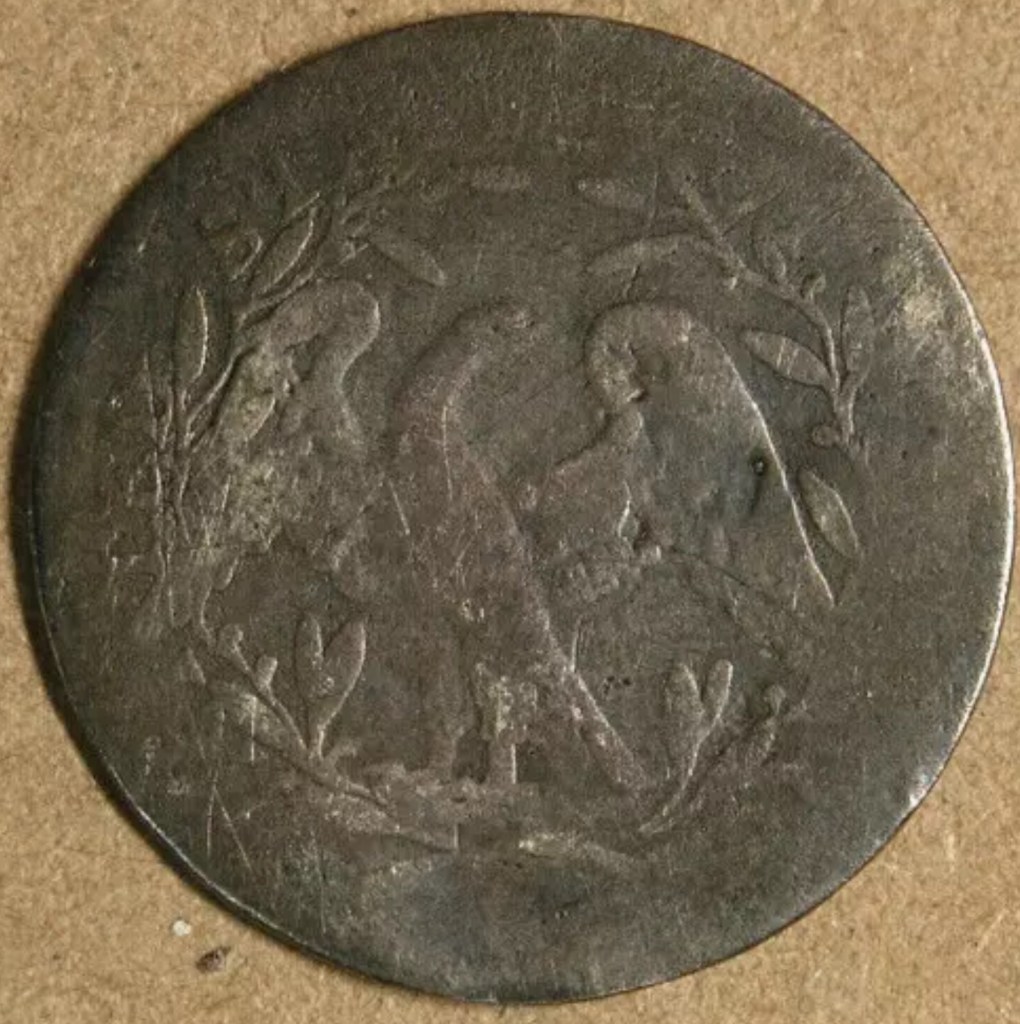
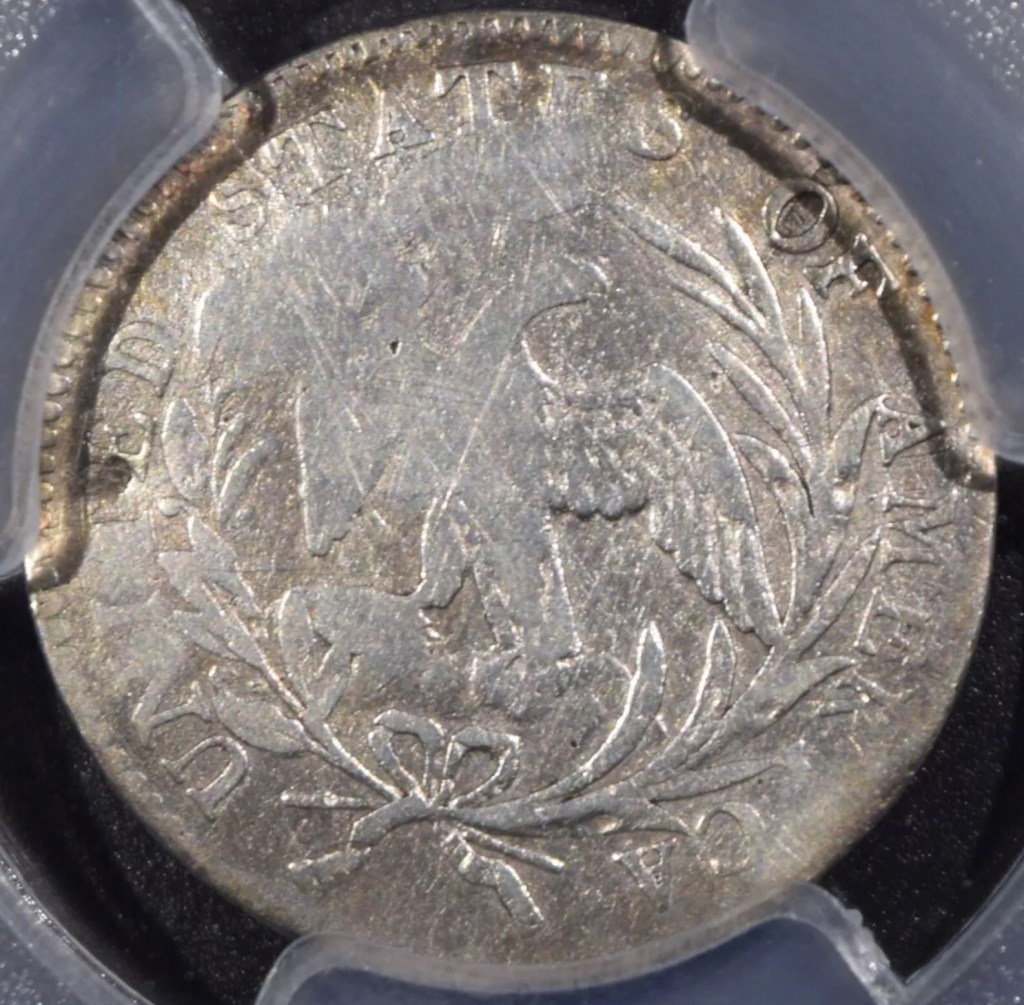
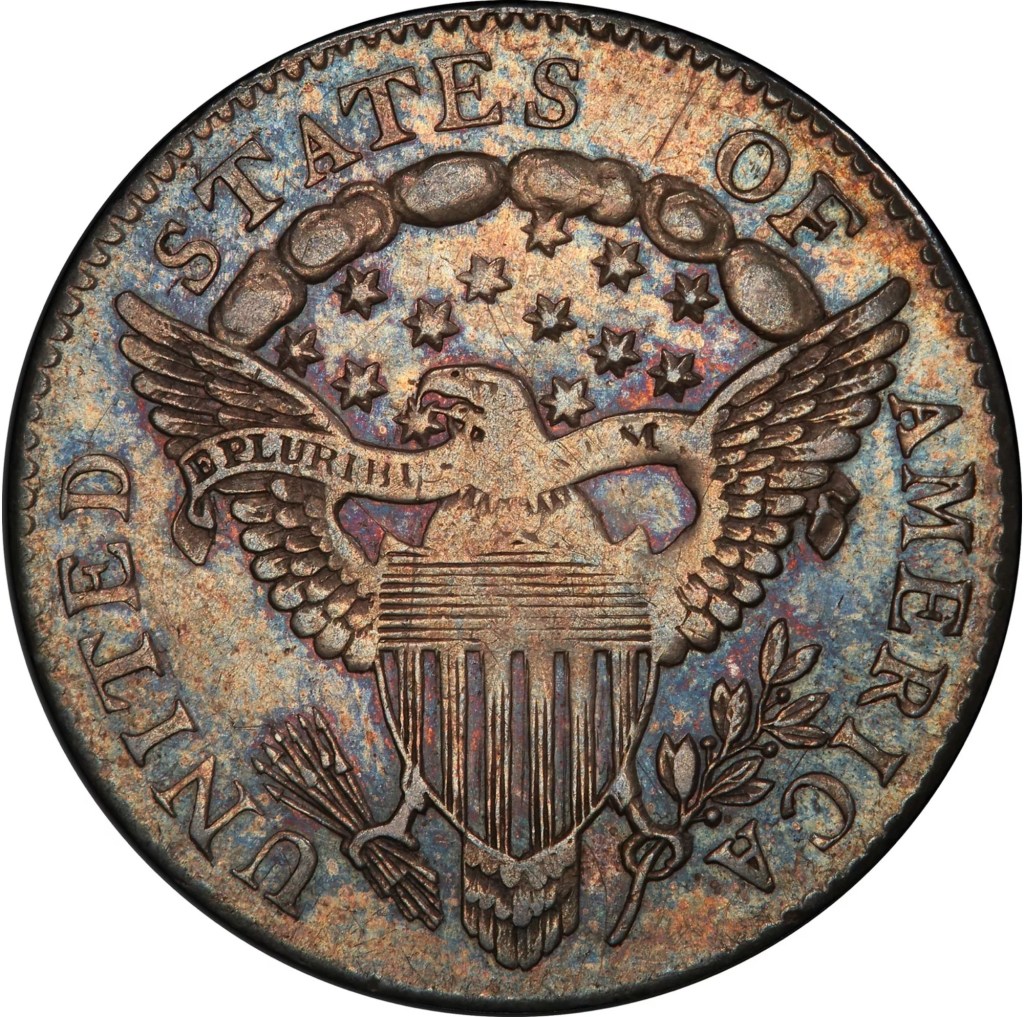
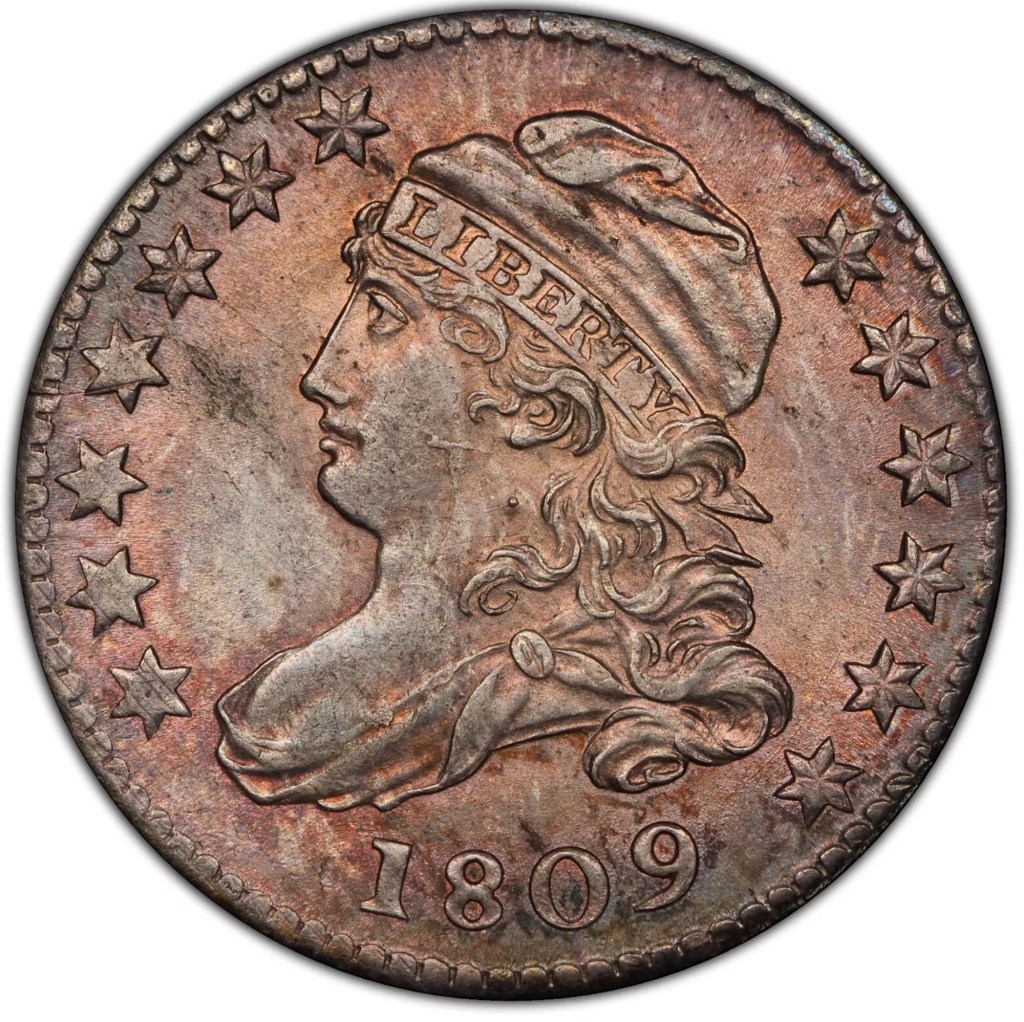
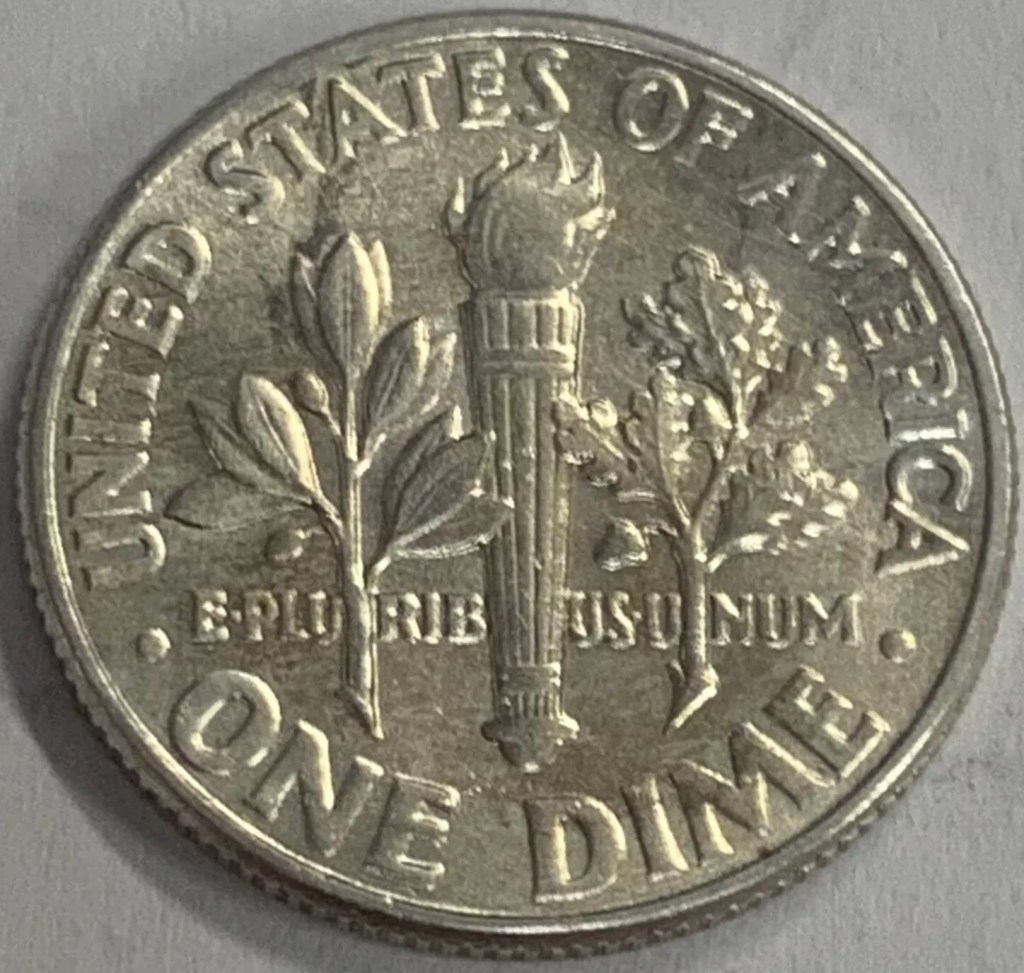
Ten-cent coins, or dimes, were first minted in 1796. From 1796 to 1837, they featured Lady Liberty draped on the obverse and an eagle on the reverse. In 1837, the eagle was replaced with a wreath. Over the years, various depictions of Liberty appeared until 1946. From 1916 to 1945, Liberty was shown wearing a winged cap, symbolizing freedom of thought. The reverse featured a bundle of rods with an axe and an olive branch. The US Mint released the President Franklin D. Roosevelt coin in 1946. The obverse featured the bust of the President and the tail side the torch, and olive and oak branches.
- 1796-1798 – Draped Liberty is facing right, draped on the obverse side and a perched eagle in a wreath on the opposite side.
- 1798-1807 – Draped Liberty is the same but the eagle is now depicted in heraldic design.
- 1809-1837 – No dimes were minted in 1808. The new design was Capped Liberty on the obverse and the eagle is clutching arrows. Dimes were not stuck each year until 1827.
- 1837-1891 – Seated Liberty on a rock design was very different from the past bust designs. The tail side is of a wreath sounding the cent value.
- 1892-1916 – Charles Barber dime depicted Liberty with a cap and wreath on her head. The tail side is a wreath with the cent value.
- 1915-1945 – “Mercury Dime” is a misnomer because the bust design was of Liberty in a cap, not the Roman god.
- 1945 – present – Roosevelt Dime
Twenty-cent Coin
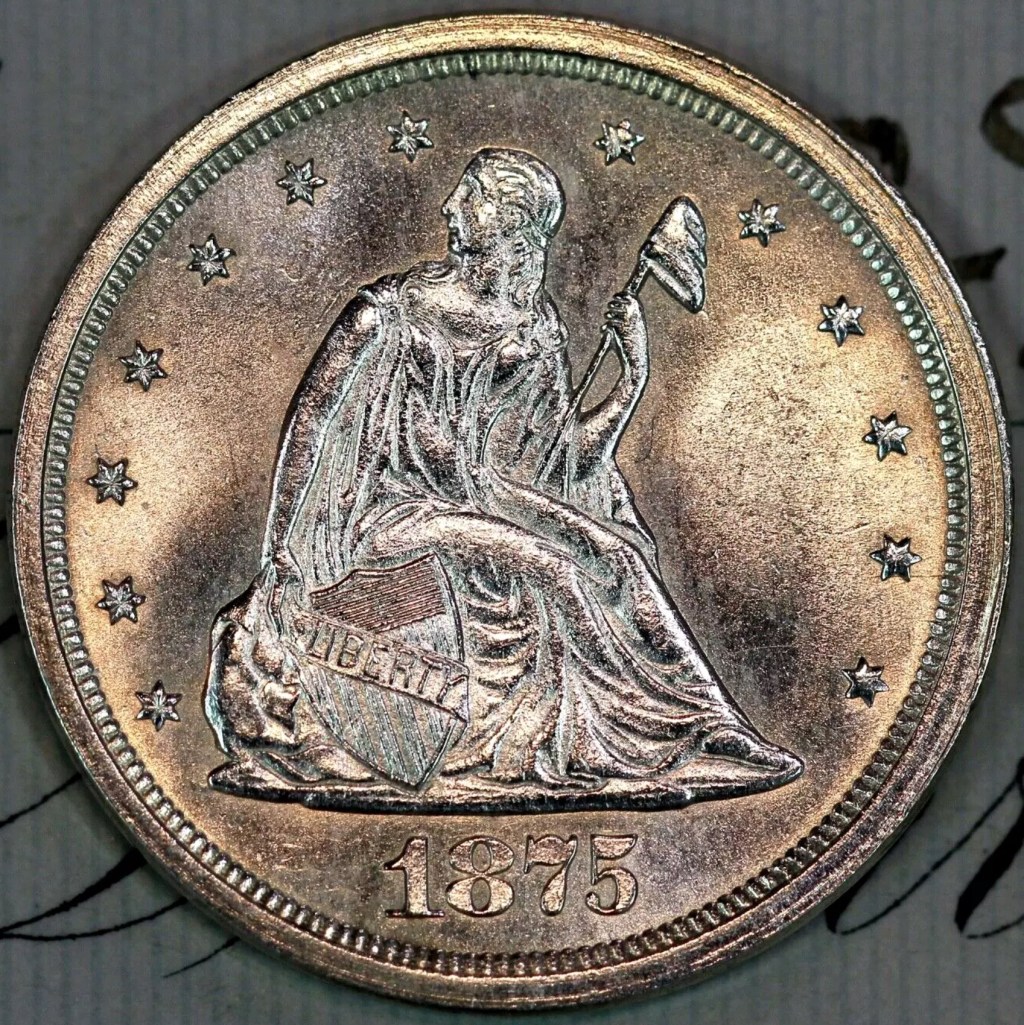
The 20-cent silver coin was minted between 1875-1878. Because it was so similar to the Quarter and created much confusion, production was limited. The same thing happened with the modern Susan B. Anthony dollar coin.
Quarter Dollar Coins
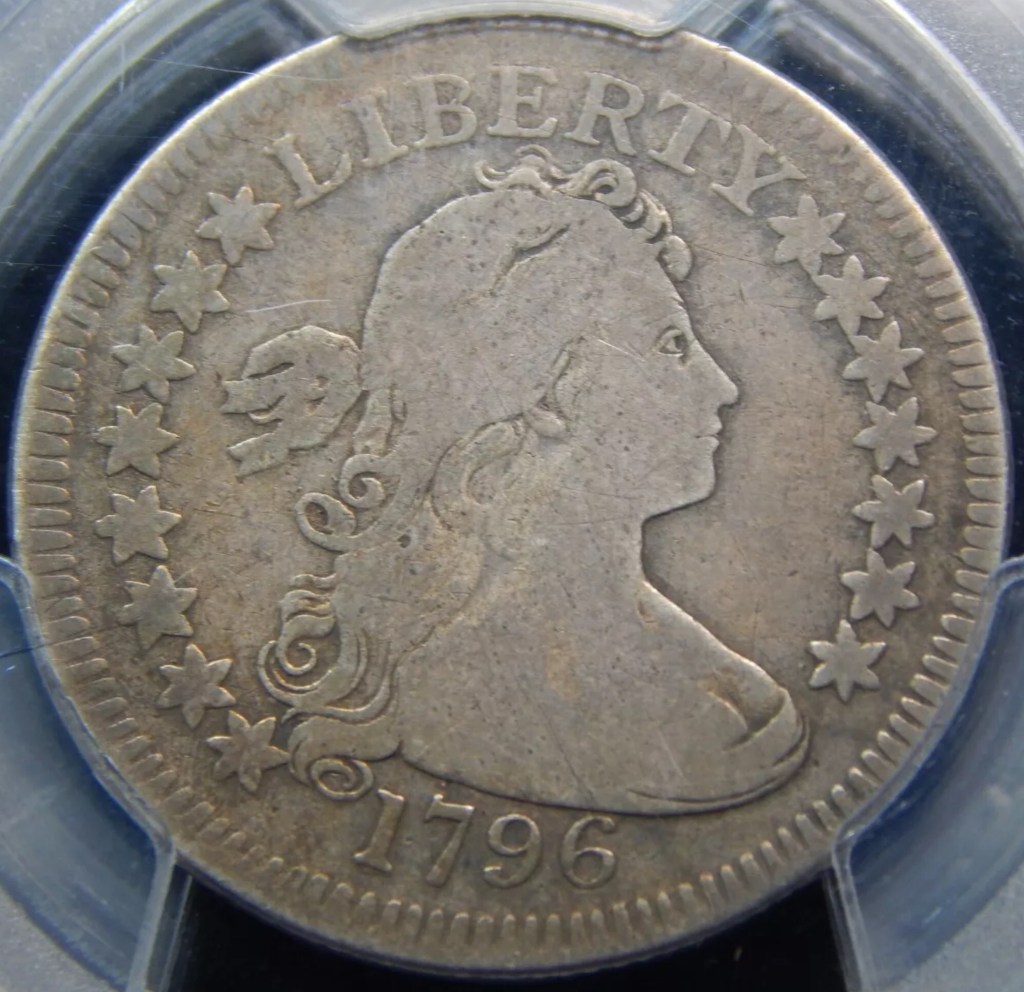
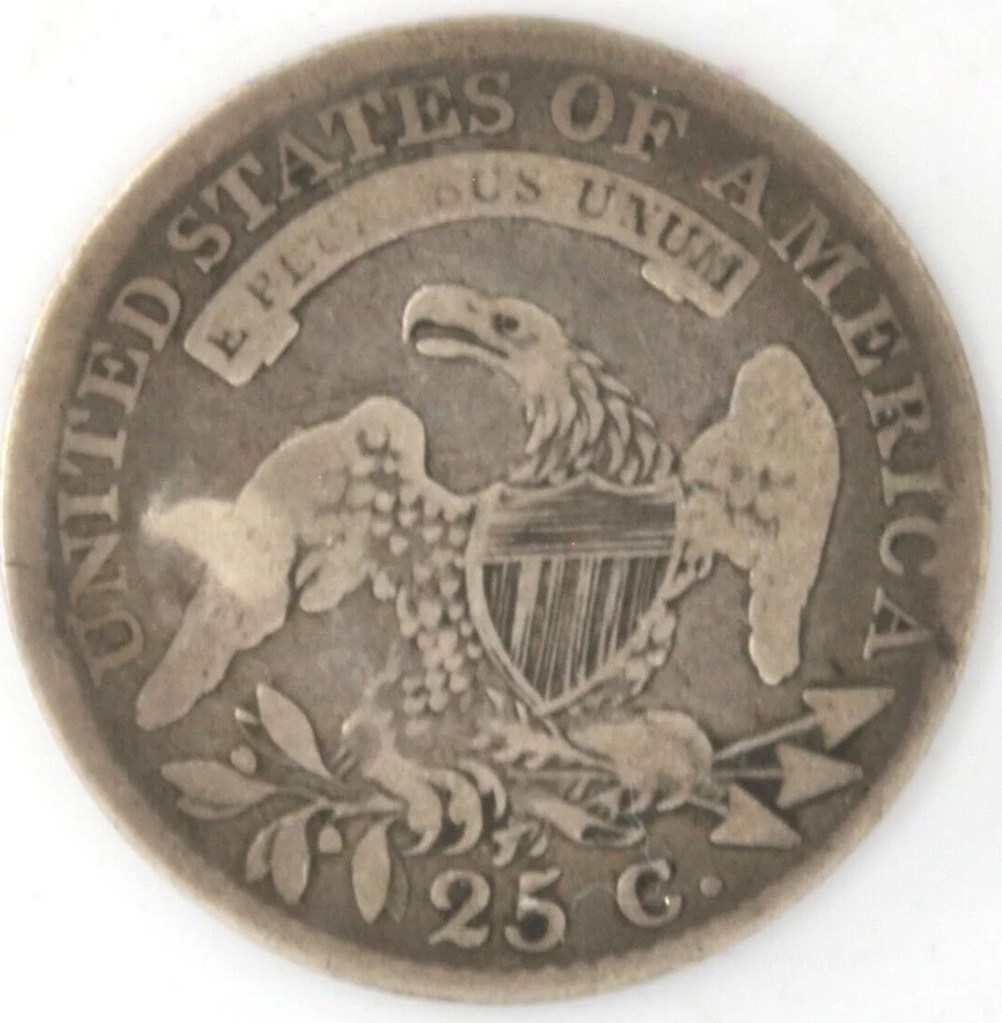
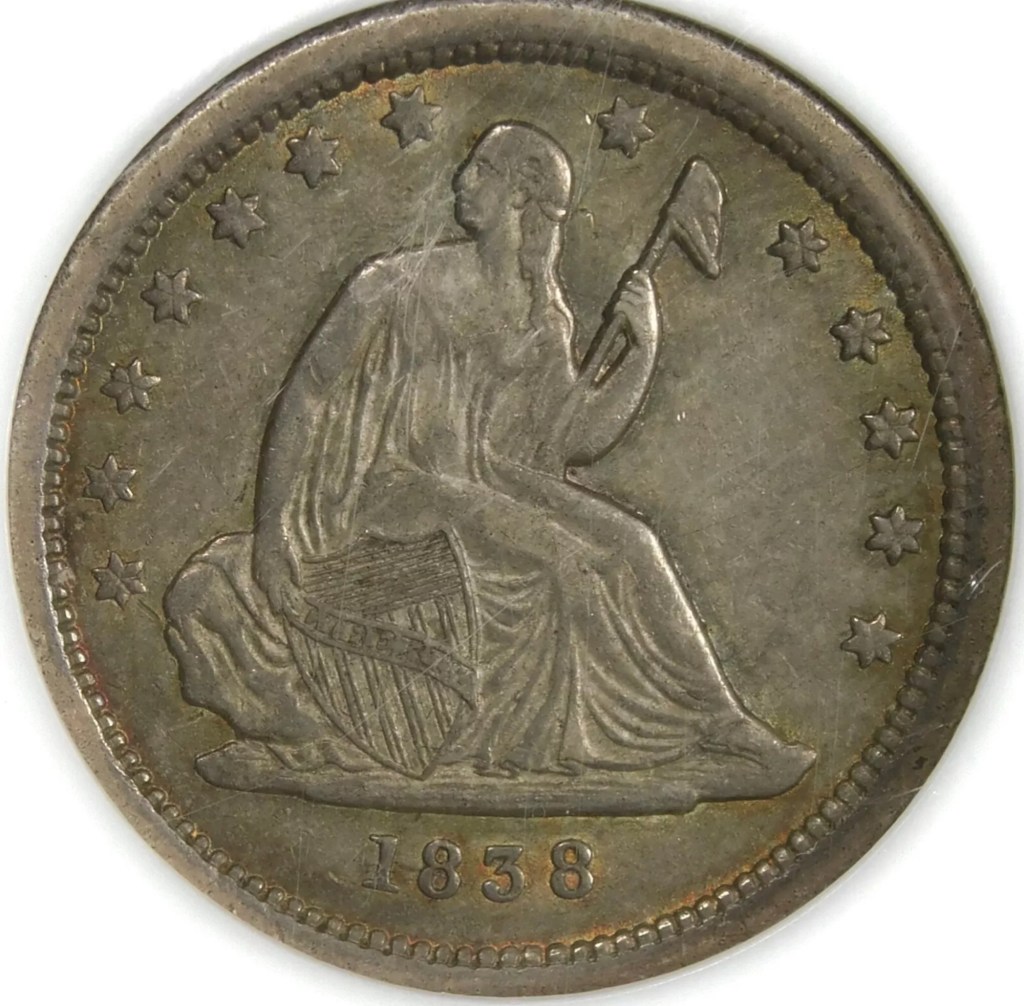
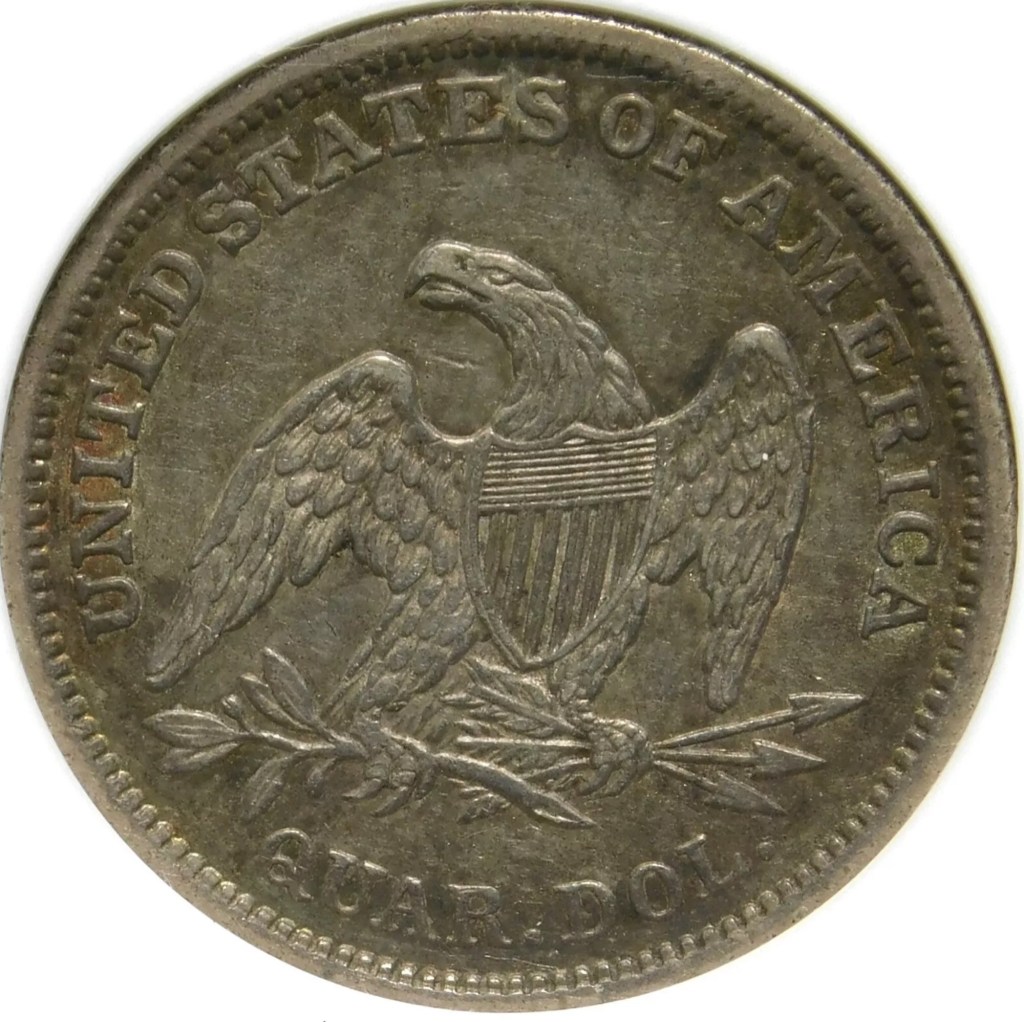
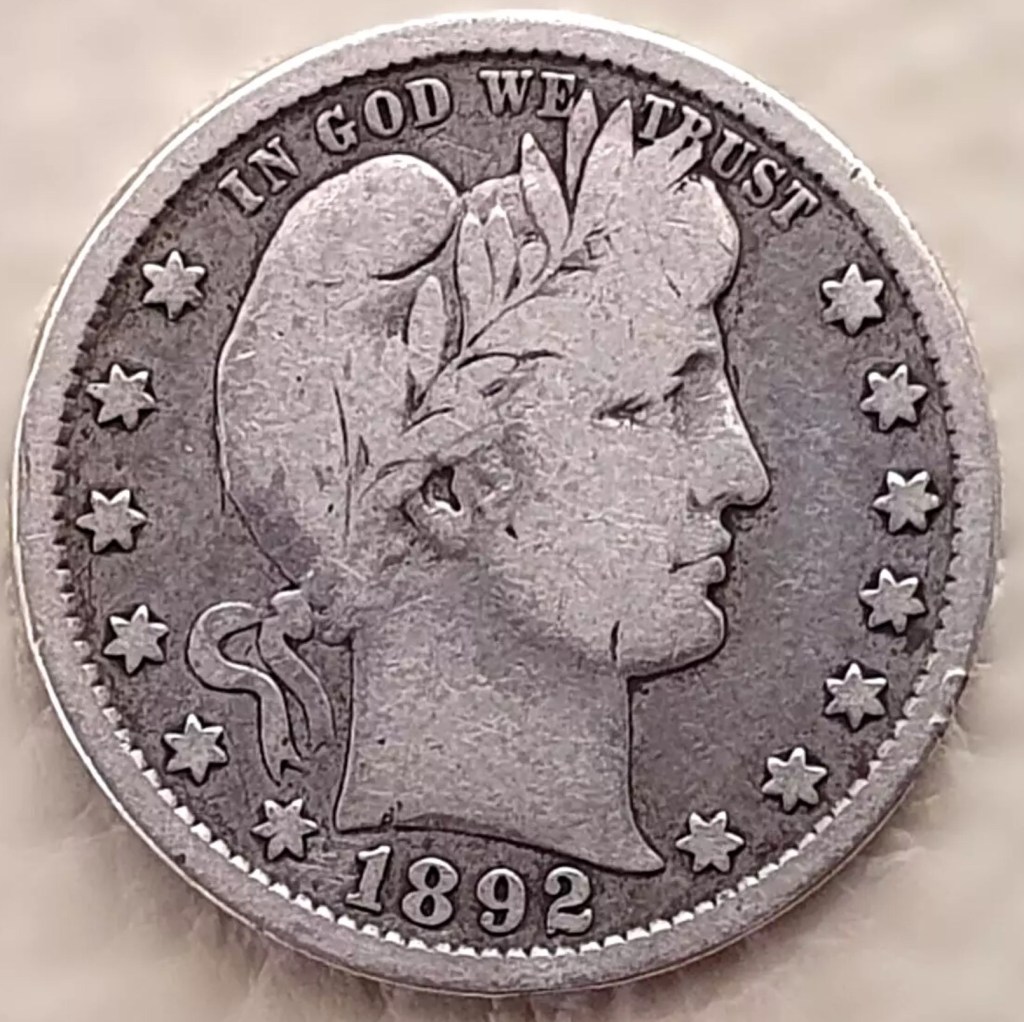
The silver quarter of a dollar coin was authorized with the Mint Act of 1792 but first minted in 1796. It measured 27 mm diameter. The design progression over time mirror the dimes.
- 1776-1804 – Liberty with flowing hair on the obverse side and the eagle surrounded by the wreath.
- 1804-1807 – Liberty is with flowing hair but the eagle is holding the shield.
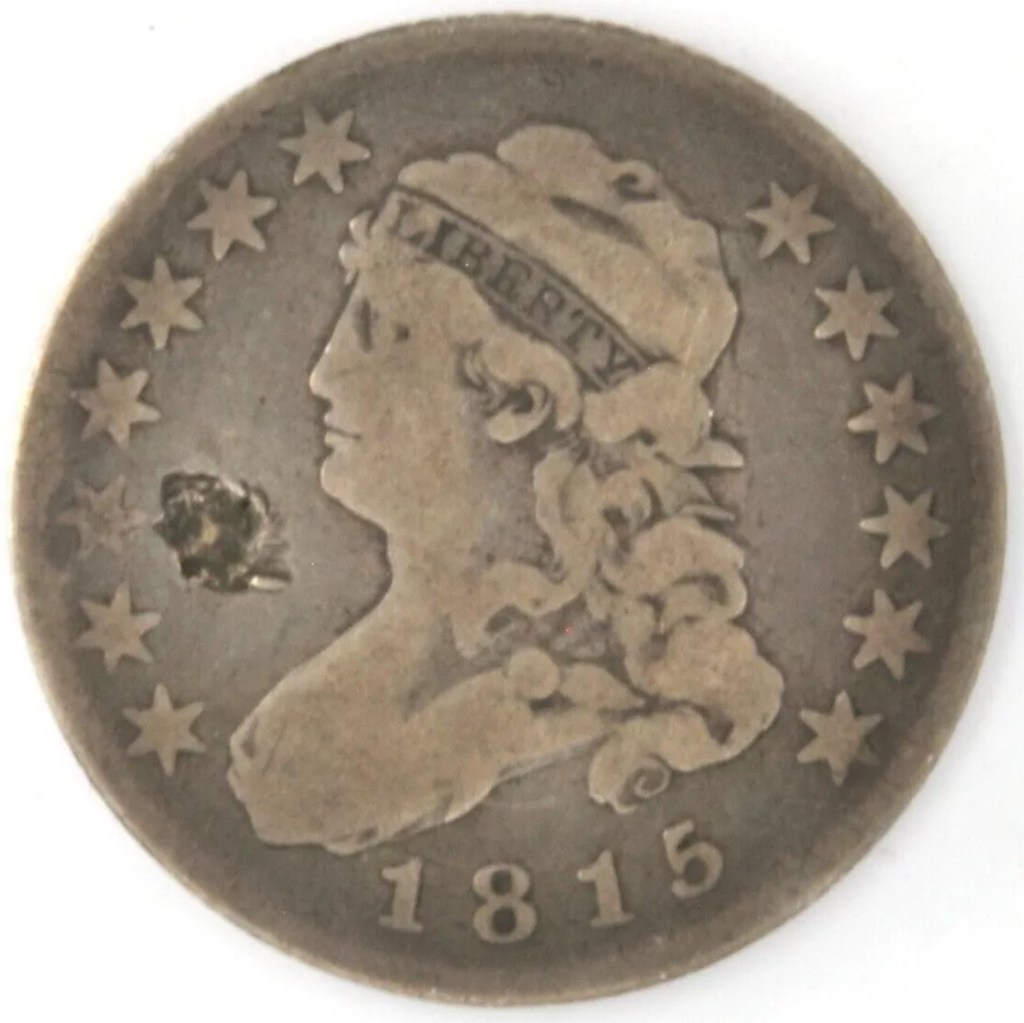
- 1815-1838 – (size decreased to 24.3 mm) Capped Liberty with eagle holding a shield on the tail side.
- 1838-1891 – Seated Liberty with Eagle holding a shield
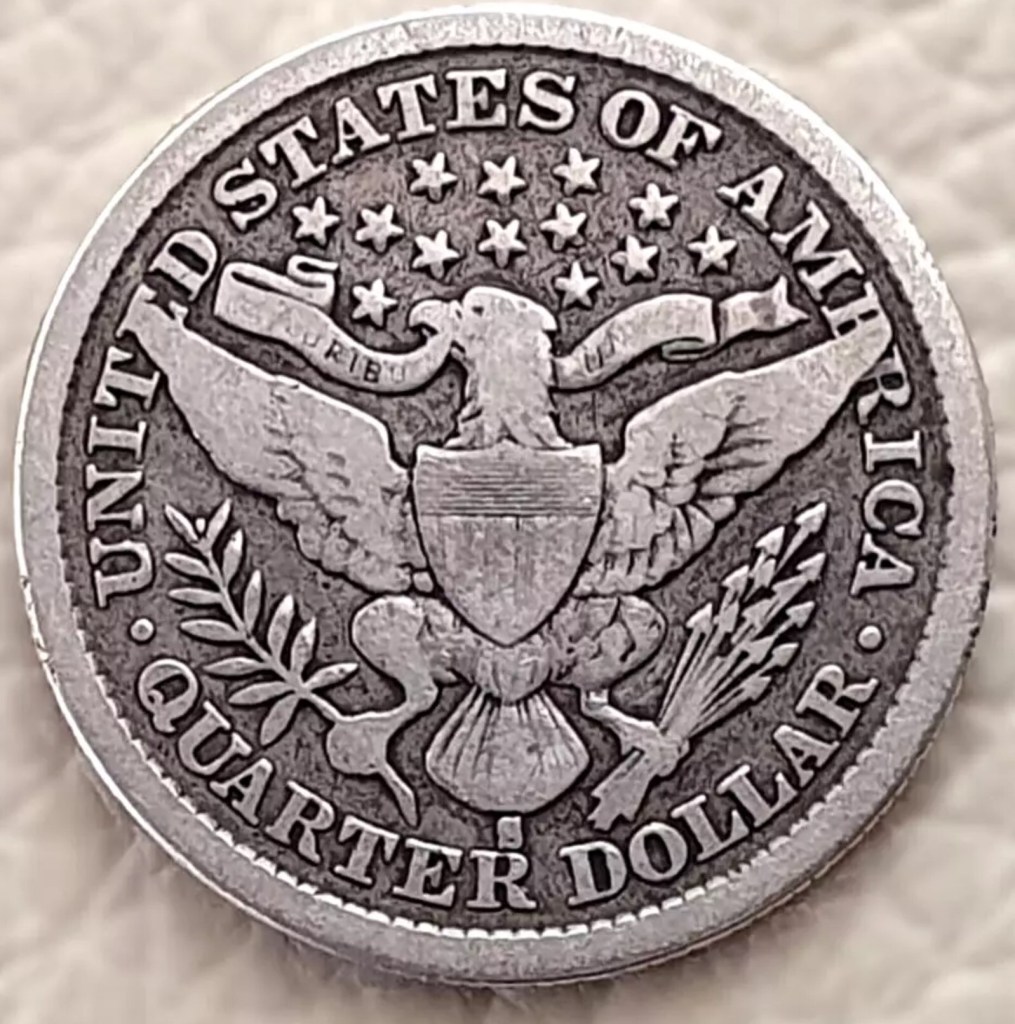
- 1892-1916 – Barber Liberty
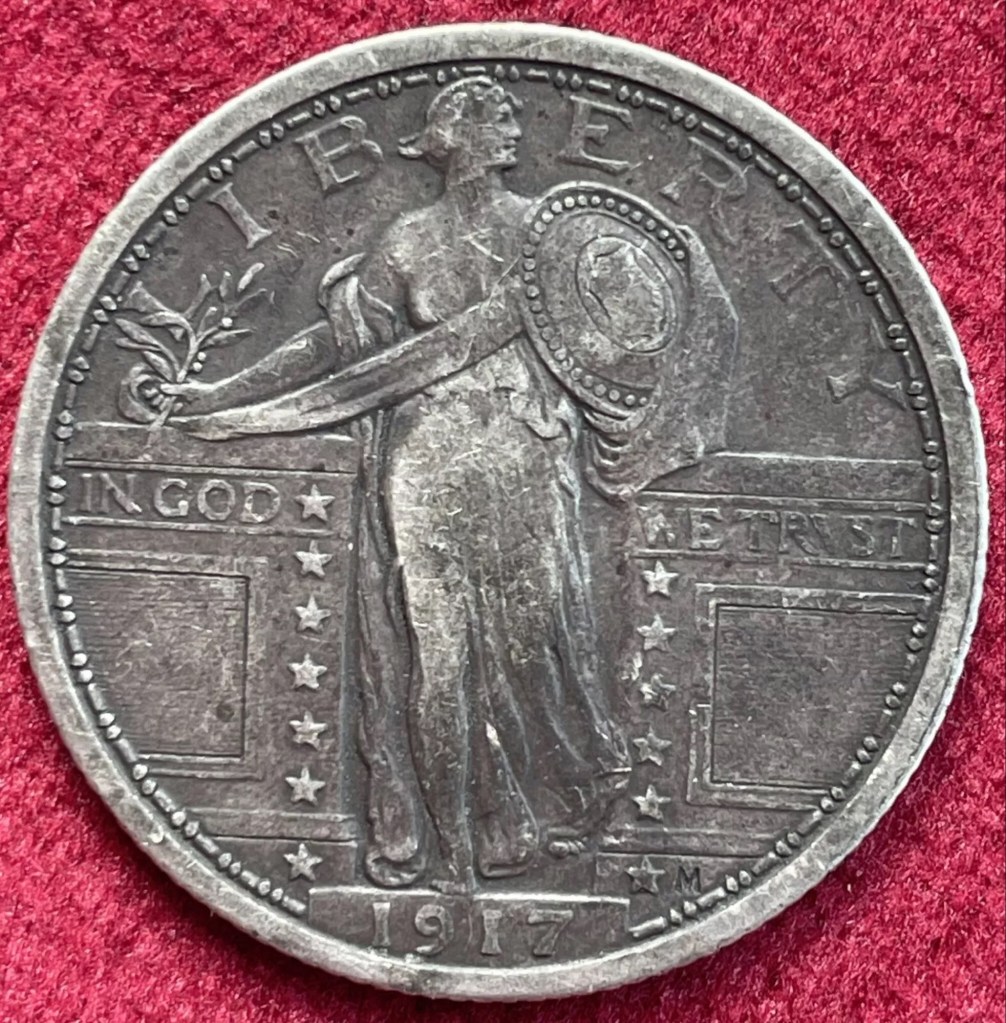
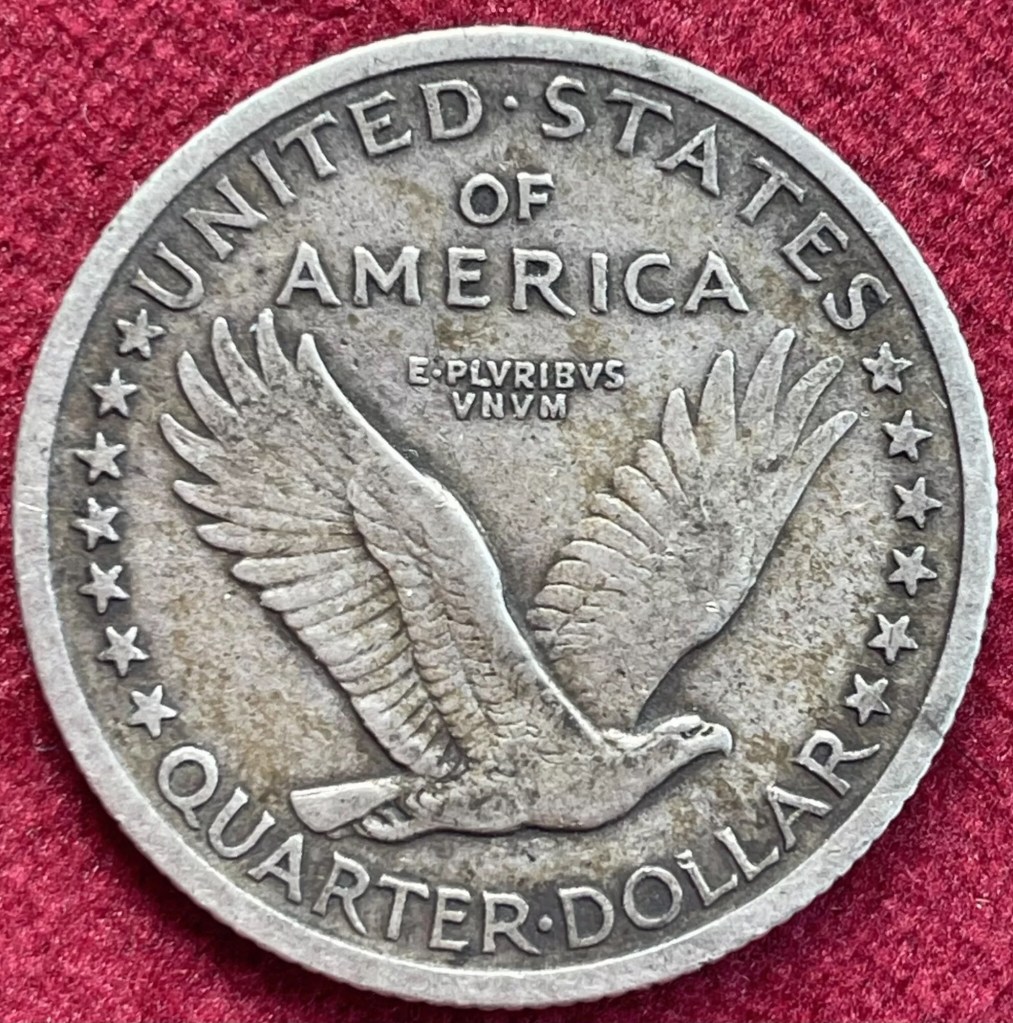
- 1917-1932 – Standing Liberty
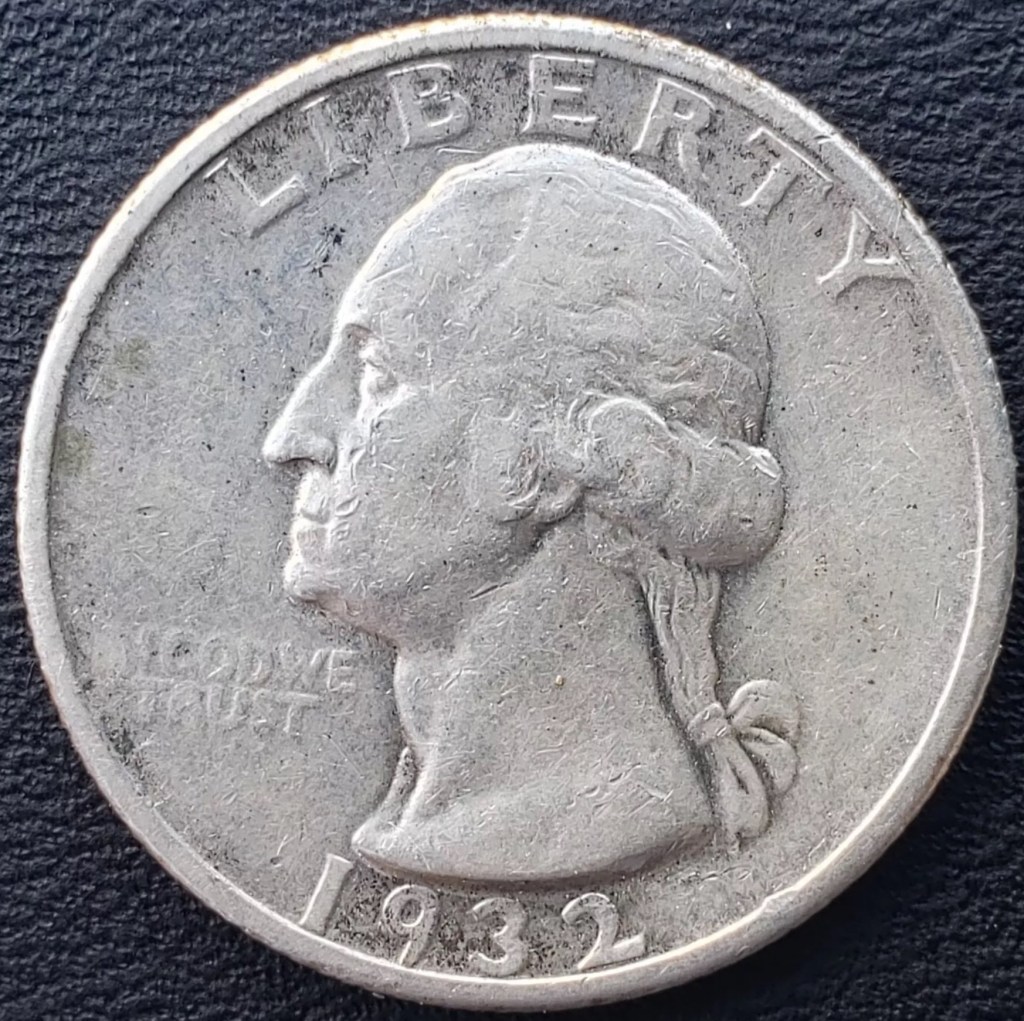
- 1932-date – George Washington
Half Dollar Coins
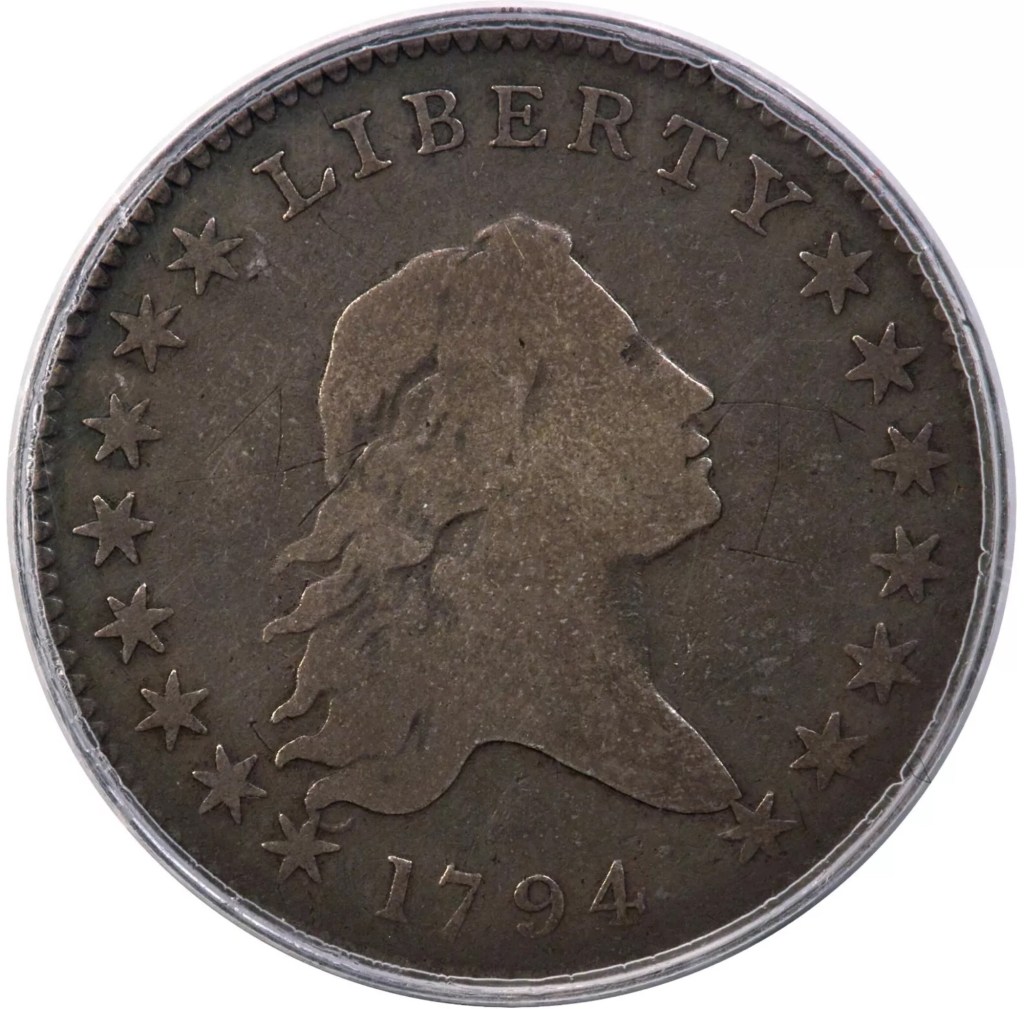
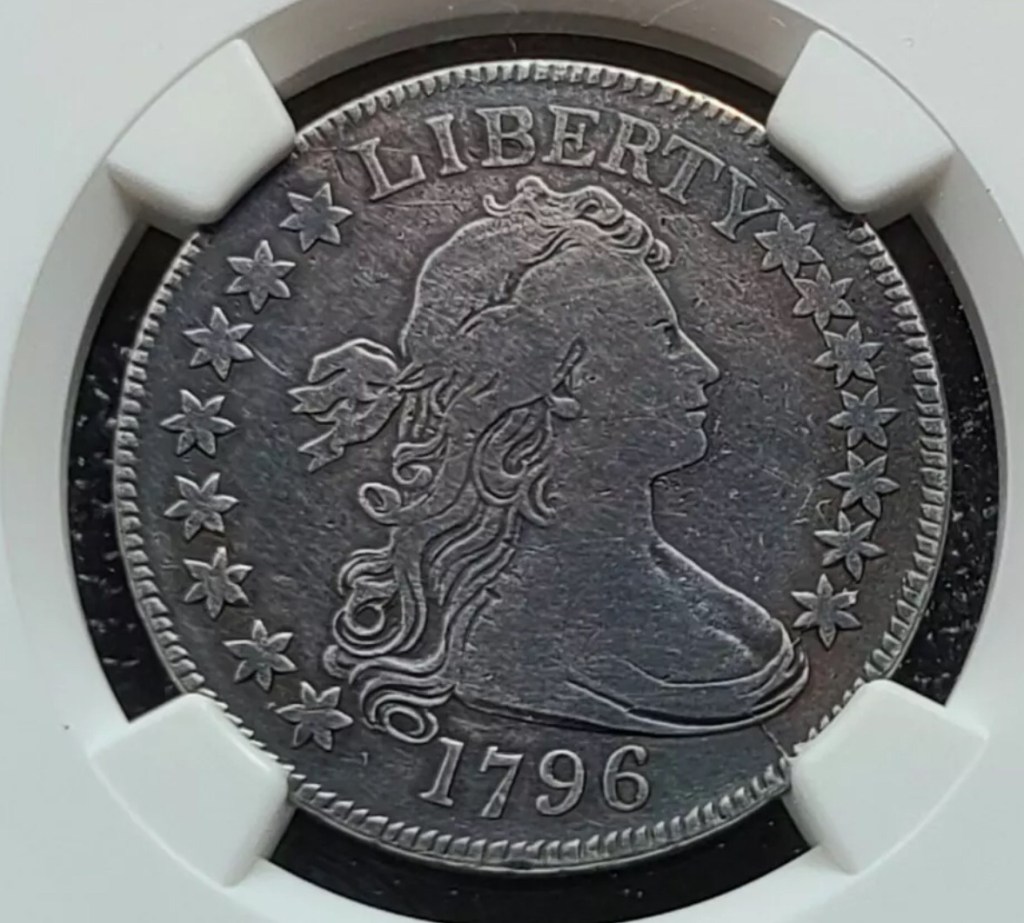
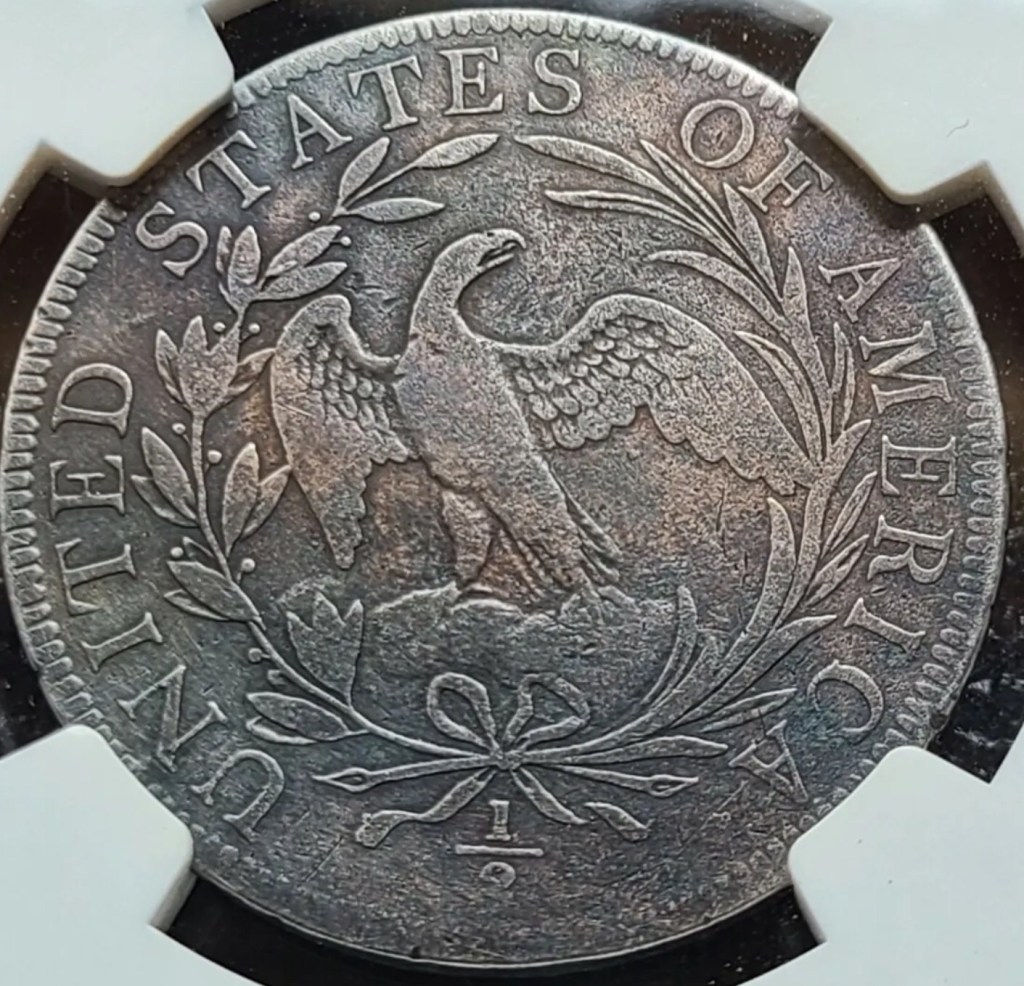
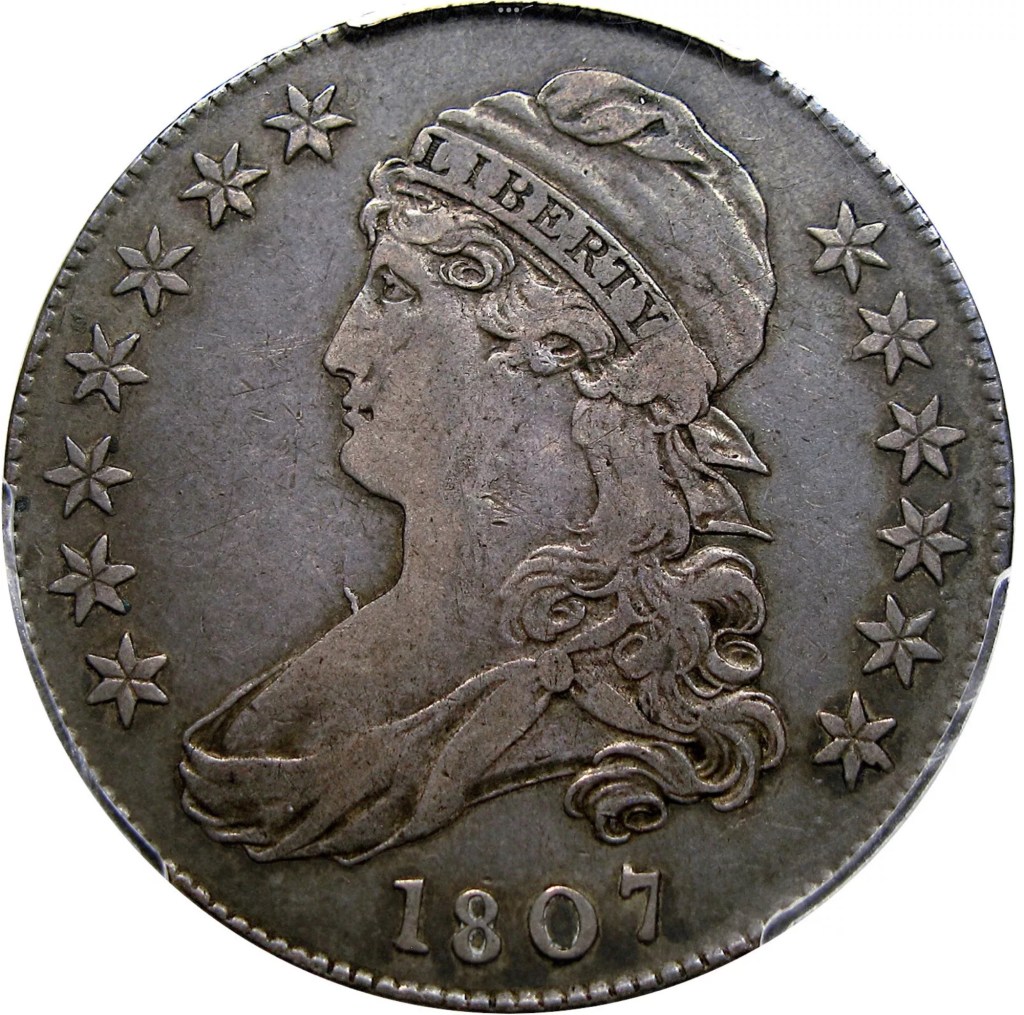
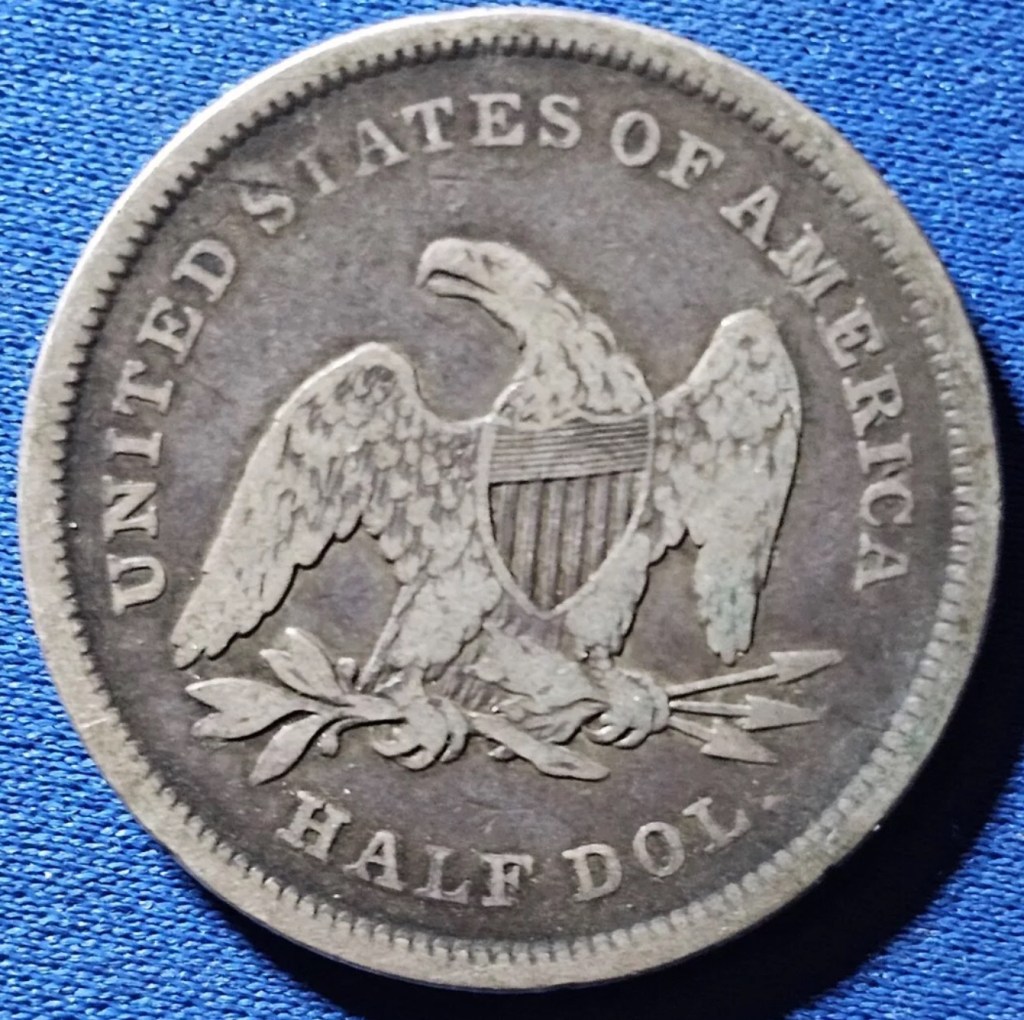
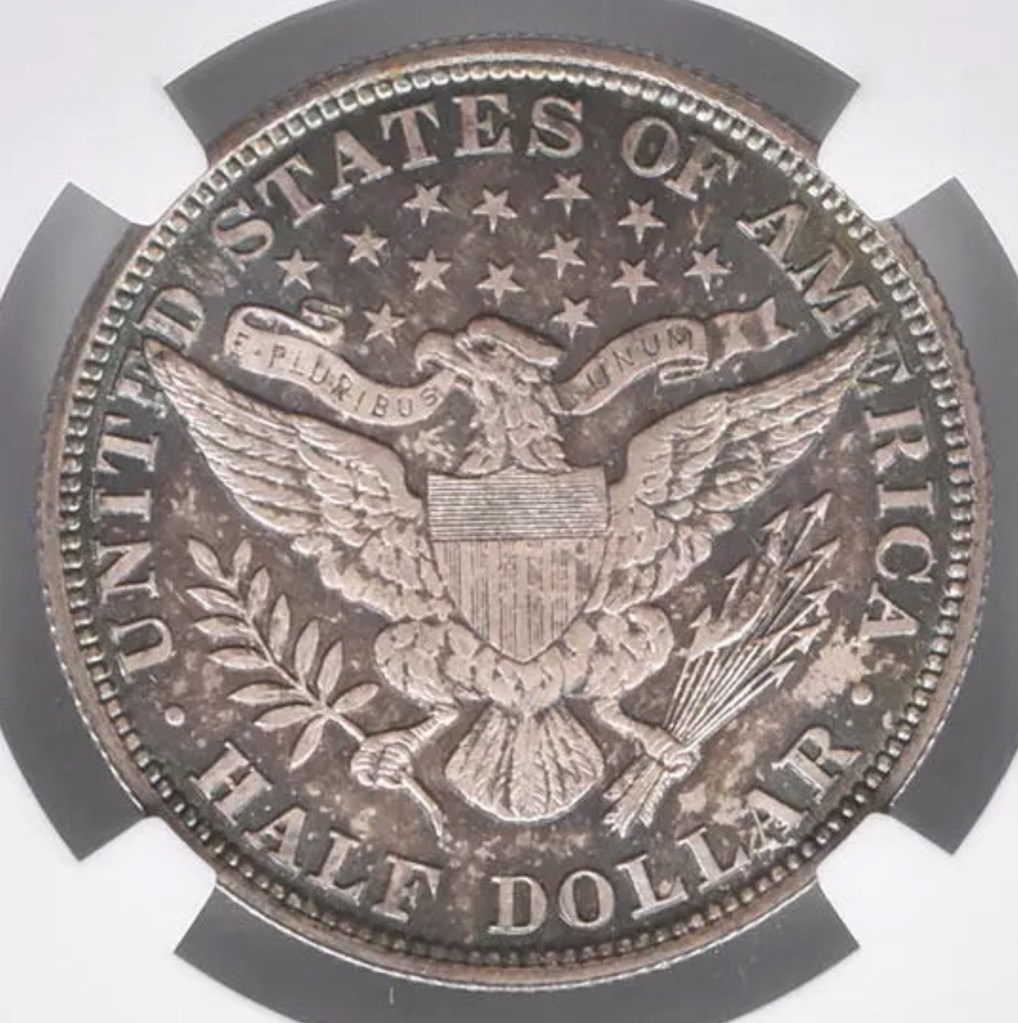
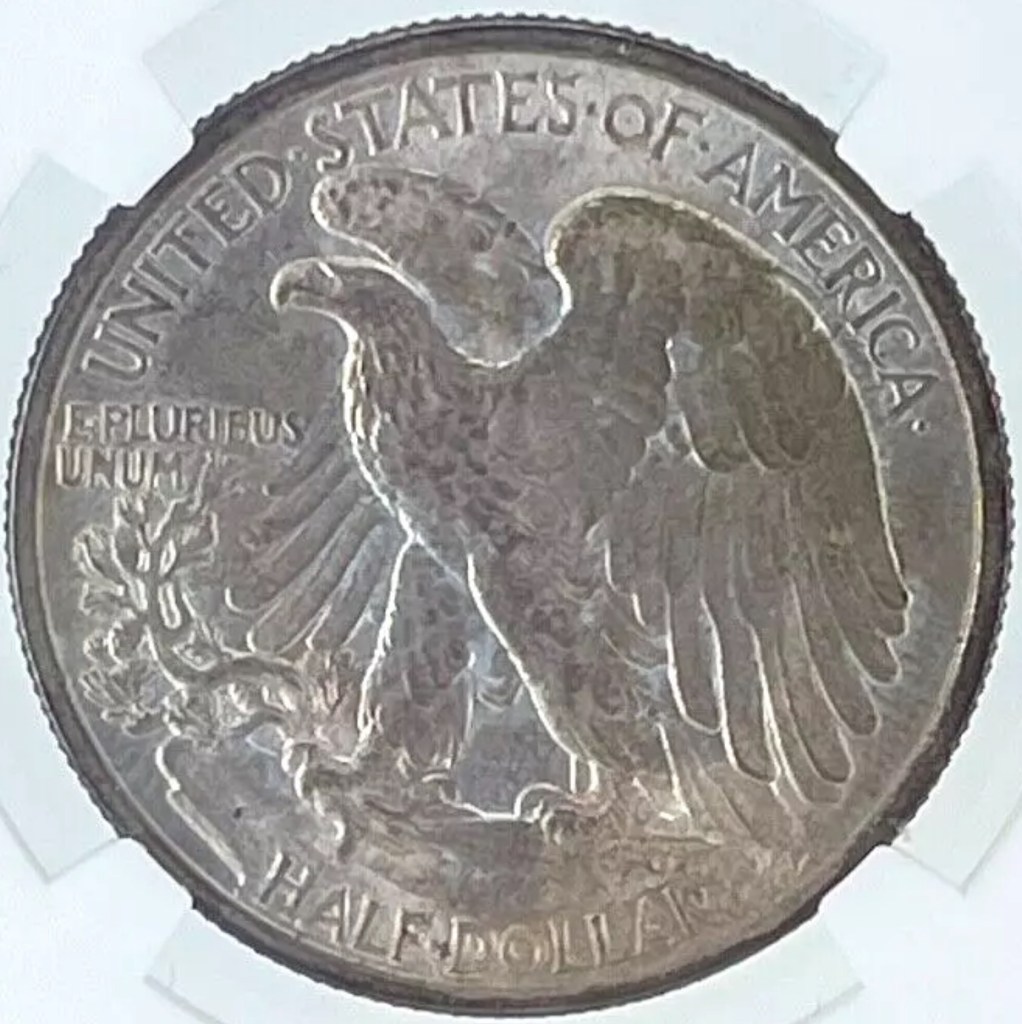
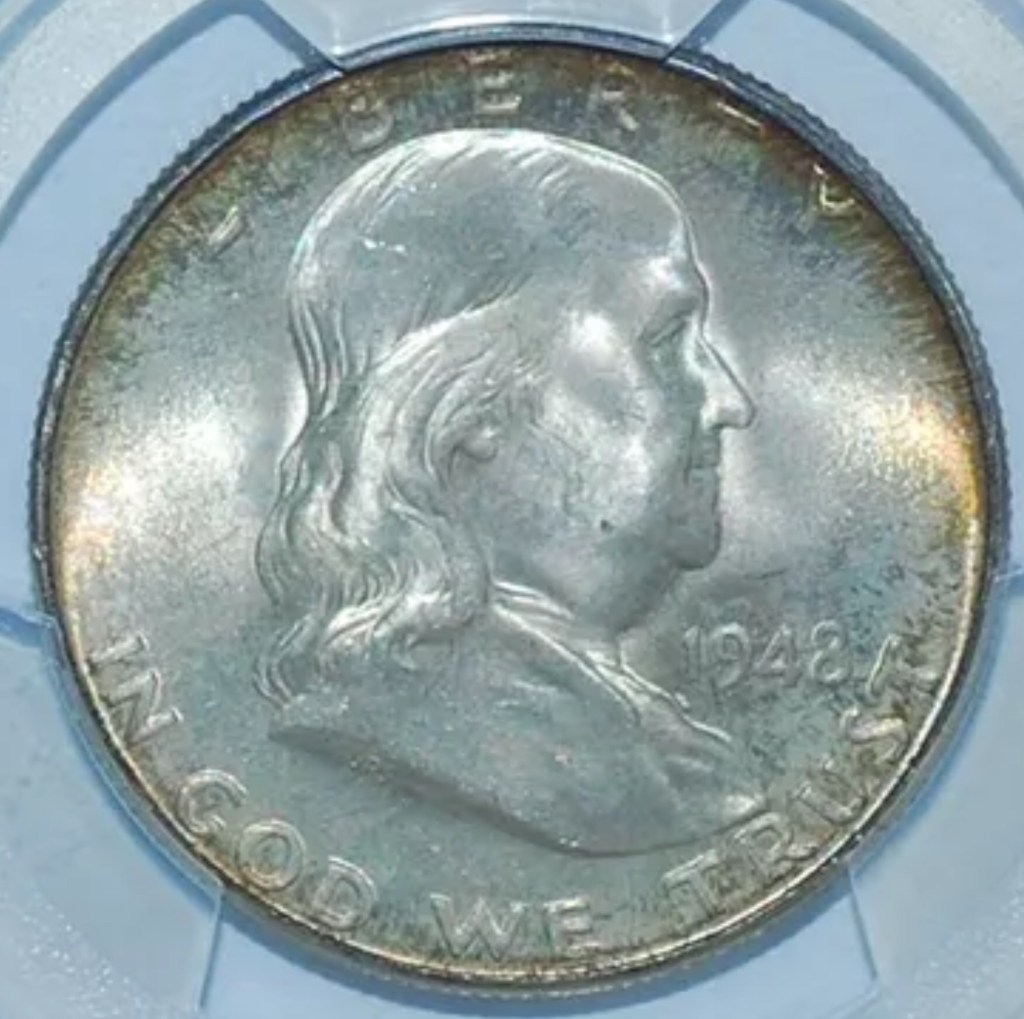
Half-dollars or 50-cent silver coins were minted between 1794 to date.
Dollar Coins
Resources
American Currency Exhibit, Federal Reserve Bank of San Francisco. (Accessed November 2024).
American Numismatic Association, History of Money (Accessed November 2024)
Arehart, Cash. Lecture: “Credit and Coinage – The Economy of Colonial Virginia.” George Washington Foundation. 2018. (Accessed November 2024).
Currency of the Colonies. Prince William County Schools
Currency: what is a pistole? The Geography of Slavery. Source of advertisements of enslaved people who were being sought. (Accessed November 2024).
Grubb, Farley. Benjamin Franklin: and the Birth of the Paper Money Economy by (Accessed November 2024). Photos of the Spanish Milled Dollar.
Grubb, Farley. Colonial Virginia’s paper money, 1755–1774: value decomposition and performance. Published online by Cambridge University Press: 22 August 2018
McCusker, John J. Money and Exchange in Europe and America, 1600-1775 : A Handbook Chapel Hill, N.C.: Published for the Institute of Early American History and Culture, Williamsburg, Va., by the University of North Carolina Press, 1978.
Money in Colonial Times, Federal Reserve Bank of Philadelphia.
PCGS Coinfacts Reference Guide – An informative reference of the type of coins with
Sleigh, Robert. Eighteenth-Century Currencies. Journal of The Brigade of the American Revolution. Vol XLIII, no 3. Autumn 2013.
Smith, Pete, Joel J. Orosz, & Leonard Augsburger, A More Accurate History of the 1792 Half Disme: A tale of three sources, two strikes and one President. July 14, 2020 (Accessed November 2024)
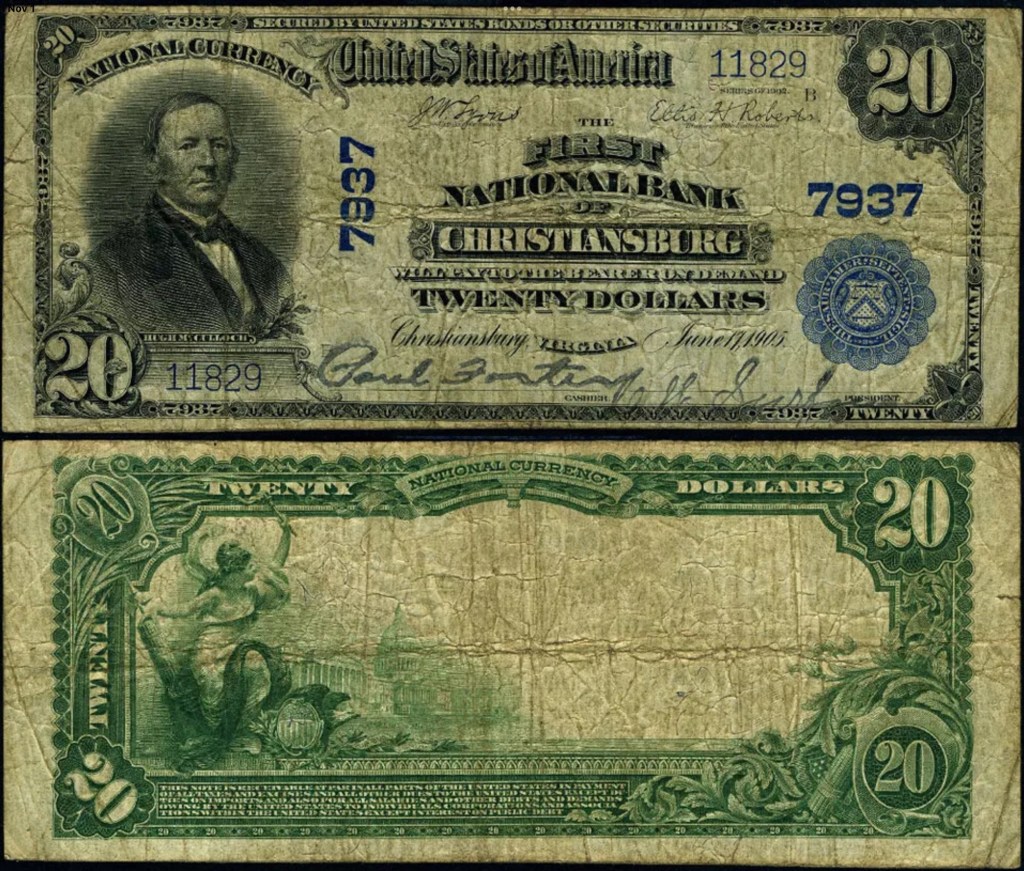
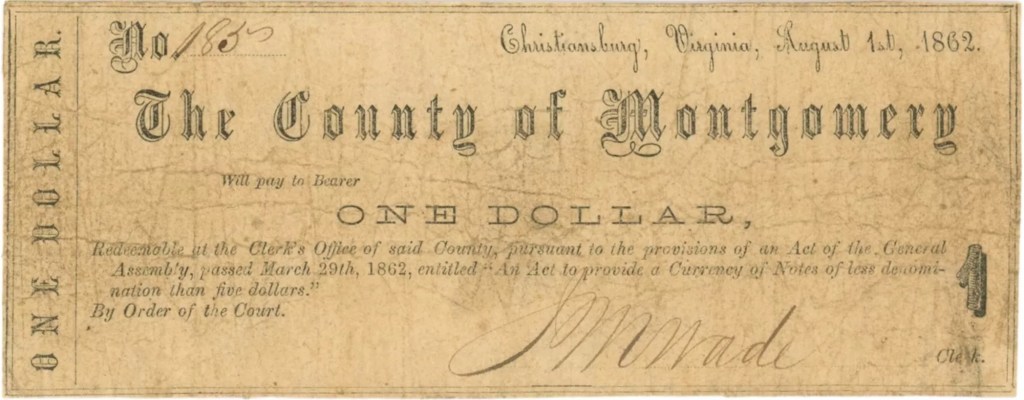
Montgomery County & Christiansburg Bank Notes



Spanish Milled Coin (real, reales or pieces of 8)

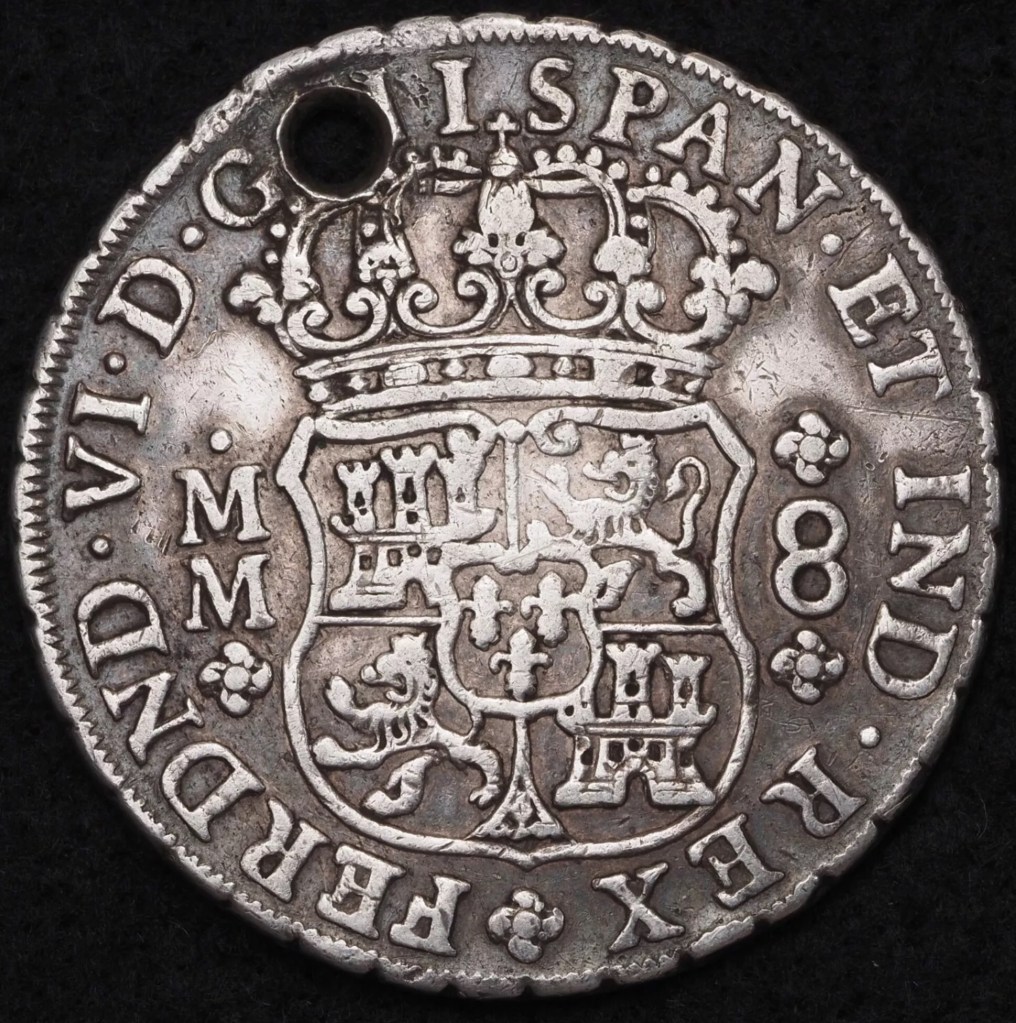

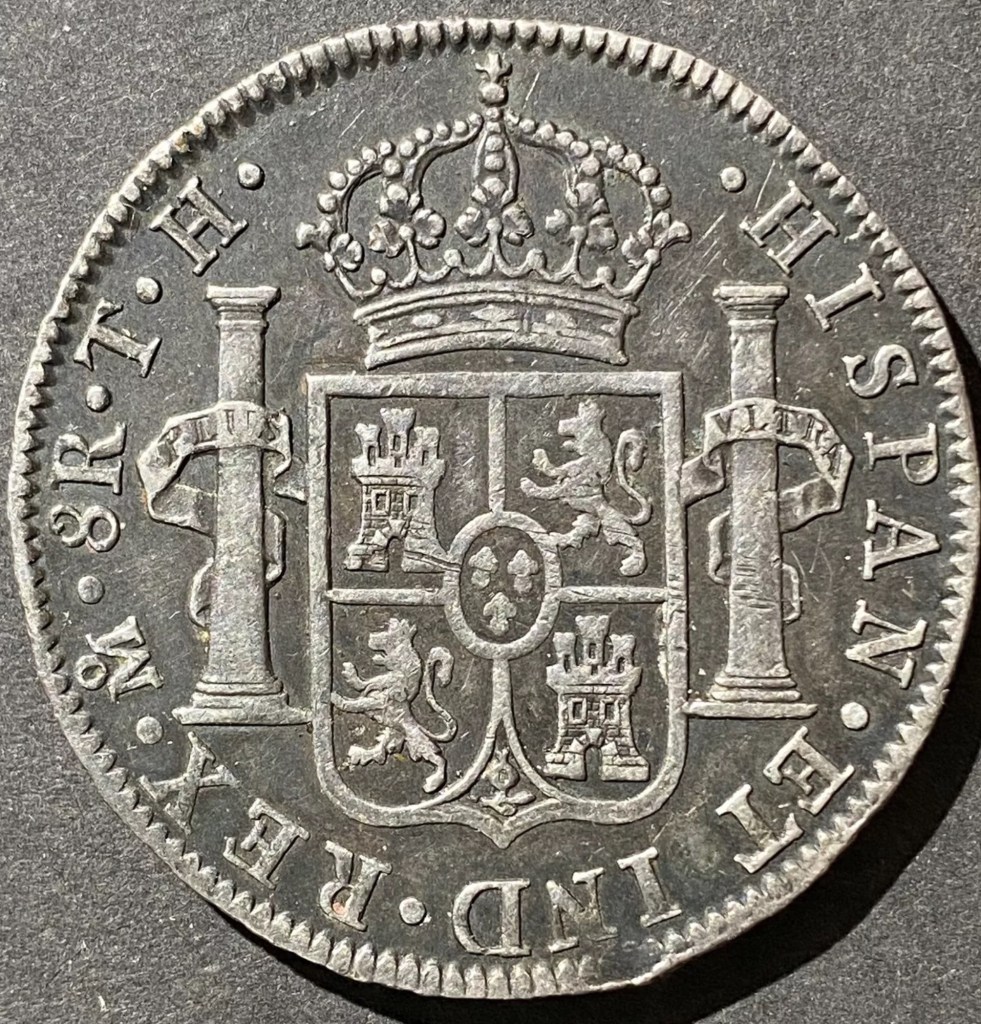
During the 18th and 19th centuries, Spain minted coins in Mexico using 90.3% pure silver. These coins were called Real for a single coin and Reales for multiples, often referred to as Spanish Milled Reales. Renowned for their consistent quality and reliability, these coins were highly valued in the American colonies as a trusted form of currency. While there is no conclusive evidence that Spanish Milled Reales were used in our region, their presence remains a possibility.
The coins were minted in five denominations, each roughly equivalent to U.S. silver coins:
- 8 Real: Comparable to the U.S. silver dollar, this coin was called a “Piece of Eight” and could be divided into smaller pieces for transactions requiring less value.
- 4 Real: Similar in value to the U.S. silver half dollar.
- 2 Real: Comparable to the U.S. silver quarter.
- 1 Real: Equivalent to the U.S. silver dime.
- ½ Real: Similar in value to the U.S. silver half dime.
The design of the Real evolved over time, much like U.S. minted silver coins.
- 1732 to 1772: Known as the “Pillar” design, it featured the Pillars of Hercules flanking a double globe, crowned with the Spanish crown.
- 1771 to 1825: The design shifted to the Pillars flanking the Spanish Royal Coat of Arms, also topped with the crown. The reverse side displayed the bust of the reigning king, and why these coins are known as Bust design.
The pronunciation of Real and Reales in Spanish is as follows:
- Real: Pronounced “Rey-ahl,” with a lightly rolled “r” at the start.
- Reales: Pronounced “Rey-ah-les,” again with a rolled “r” and emphasis on the second syllable.
Confederate Currency (1861-1865)



United States Fractional Currency Stamps (1862-1876)








United States Demand Notes (1862-1876)
USA half-cent coins (1793-1857)



USA one-cent coins (1793- to date)


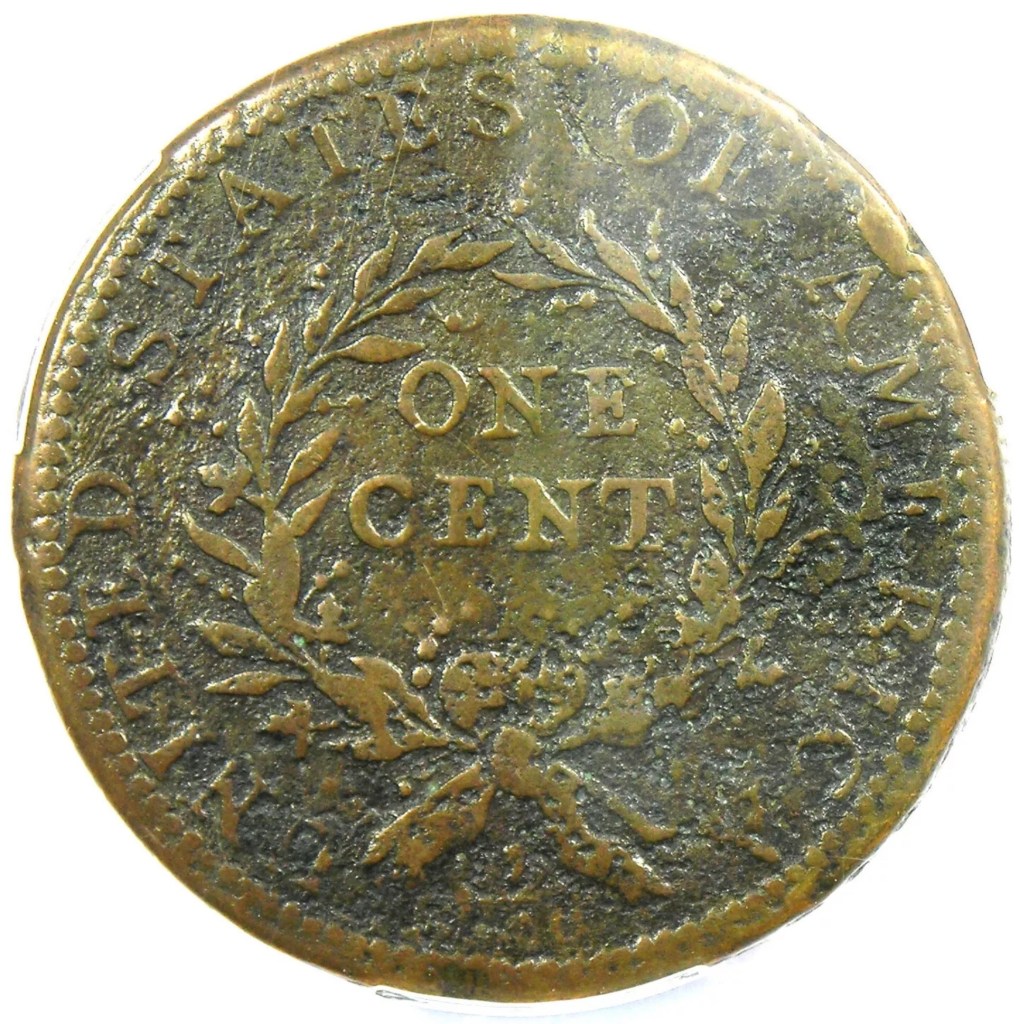

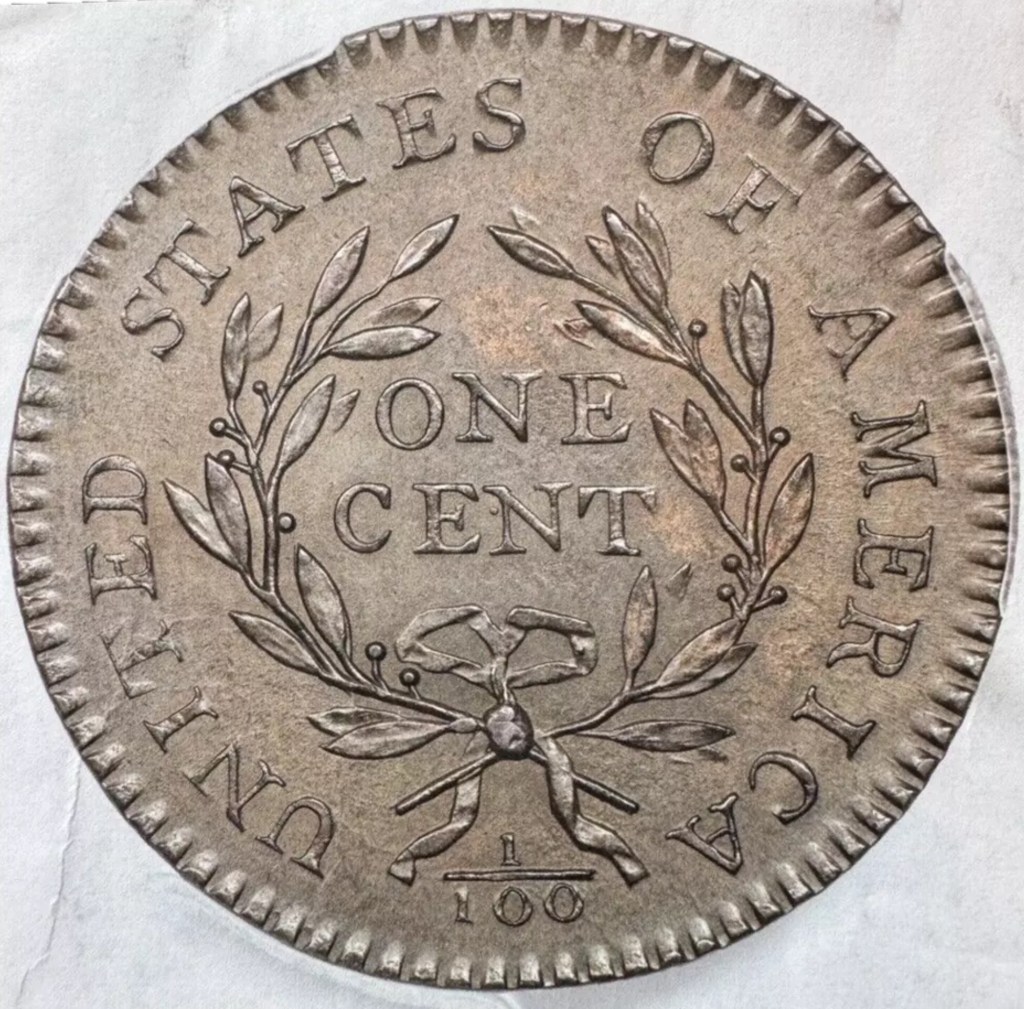
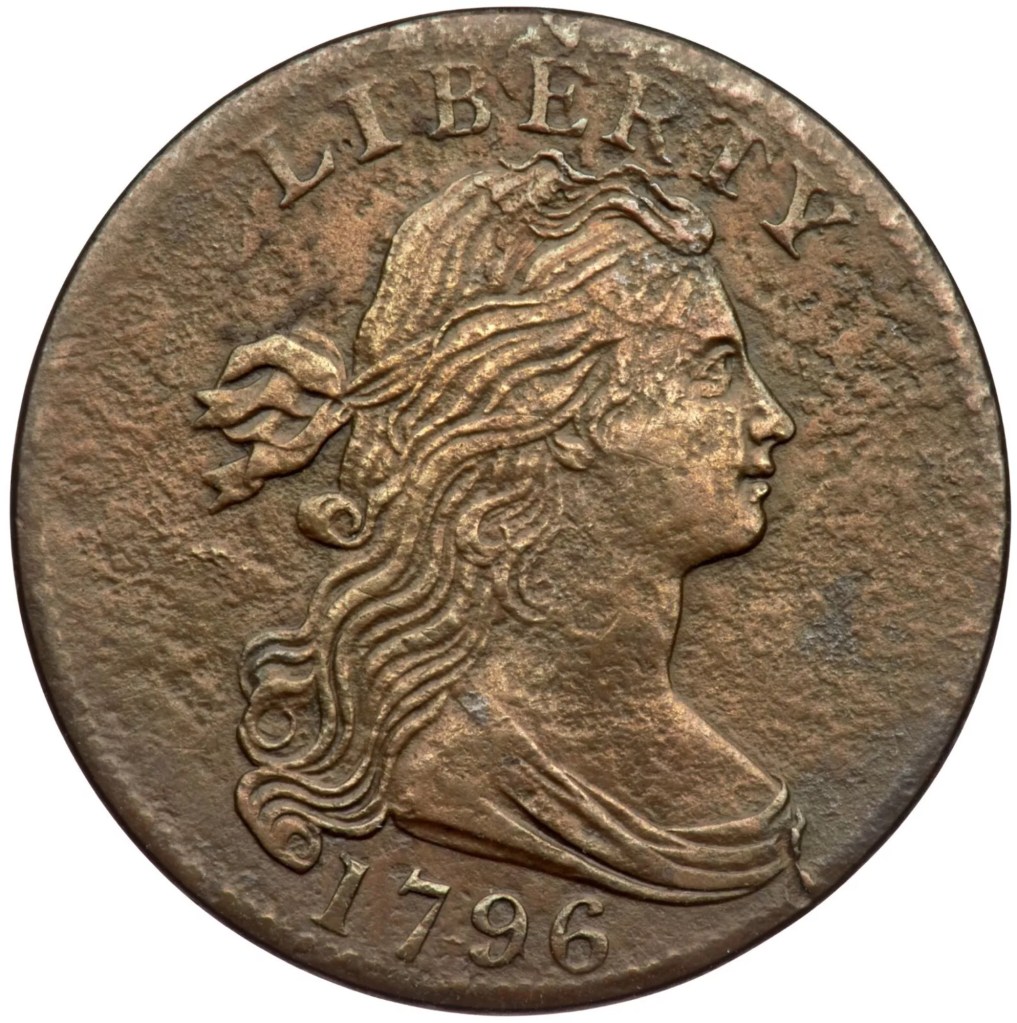

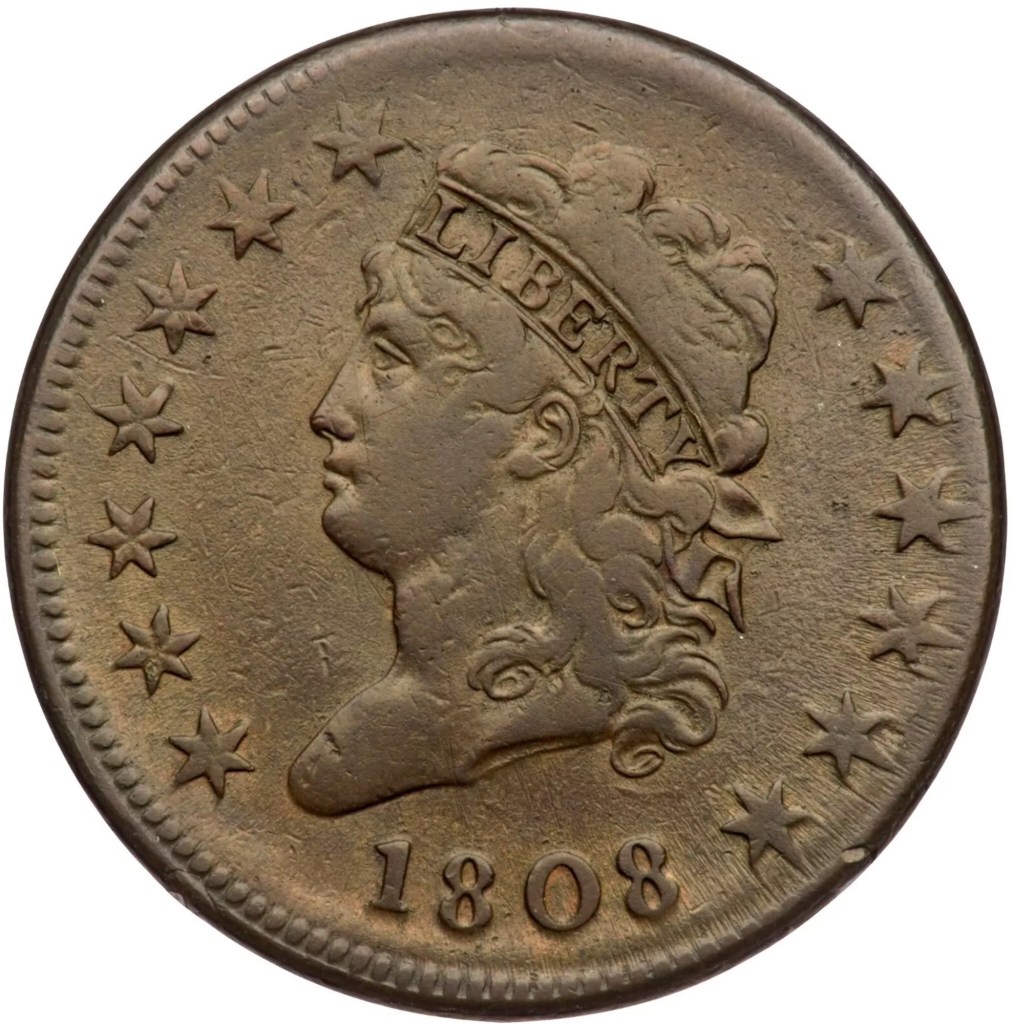
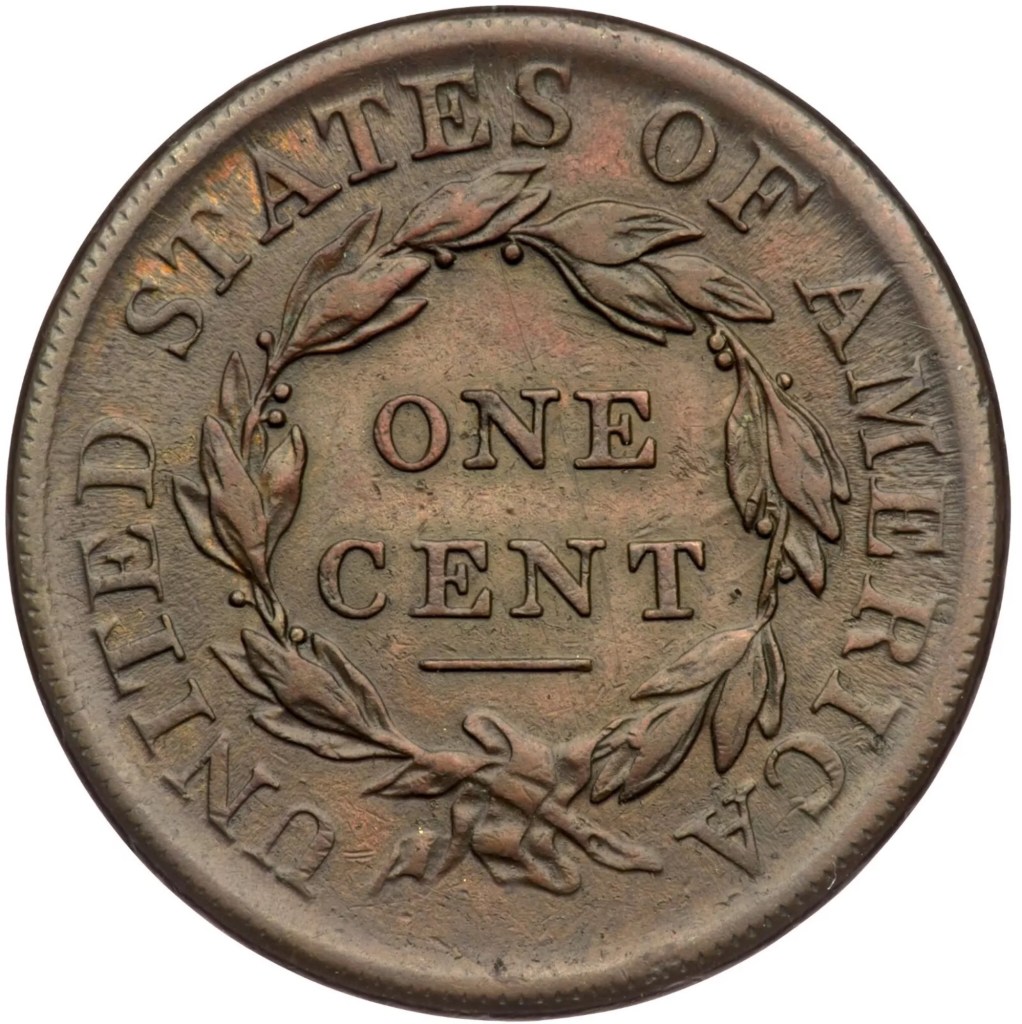
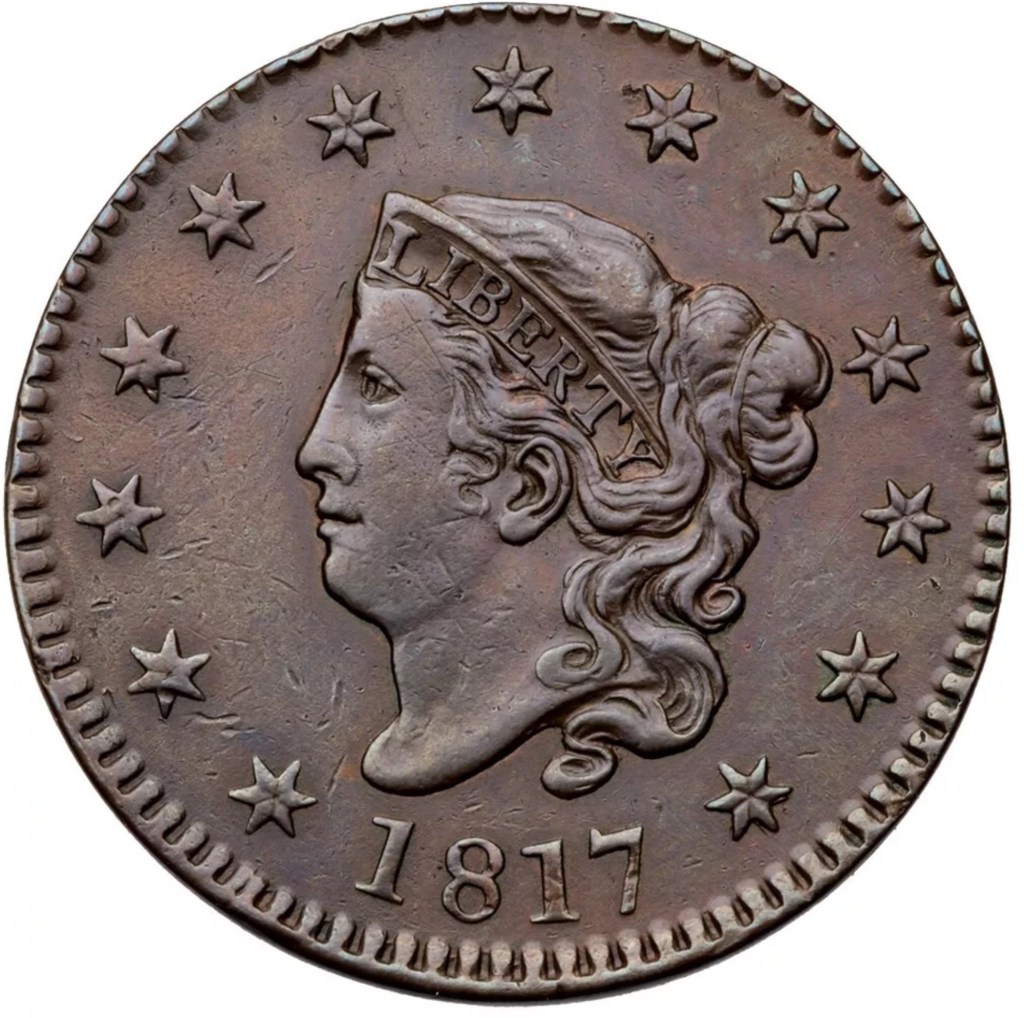
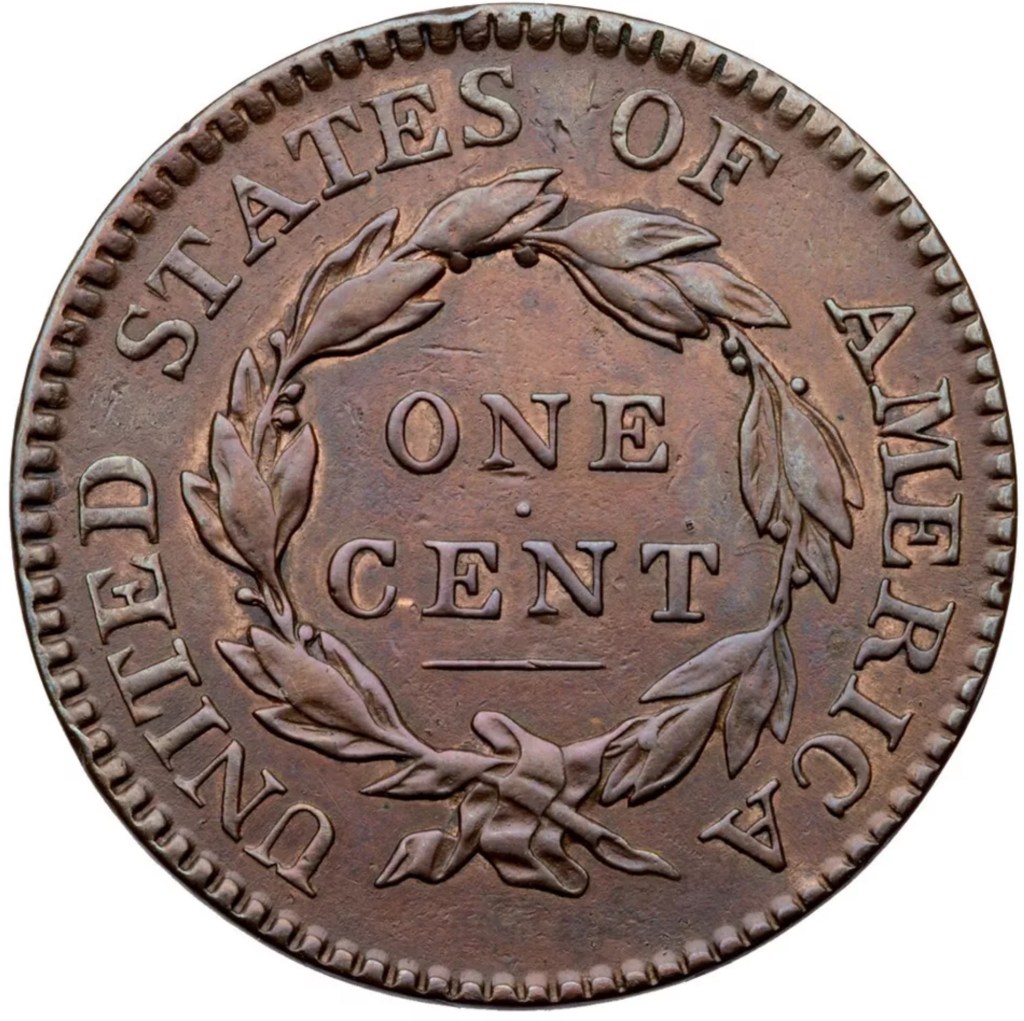

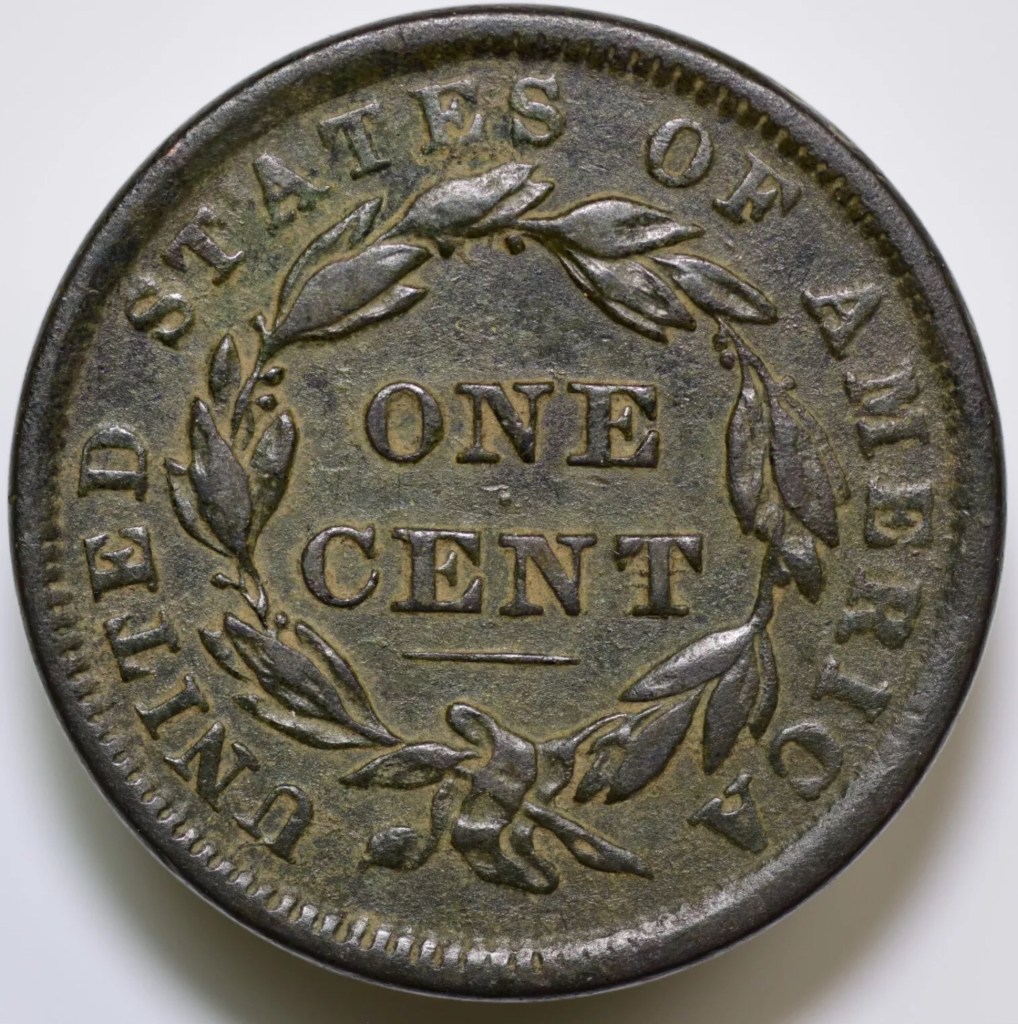



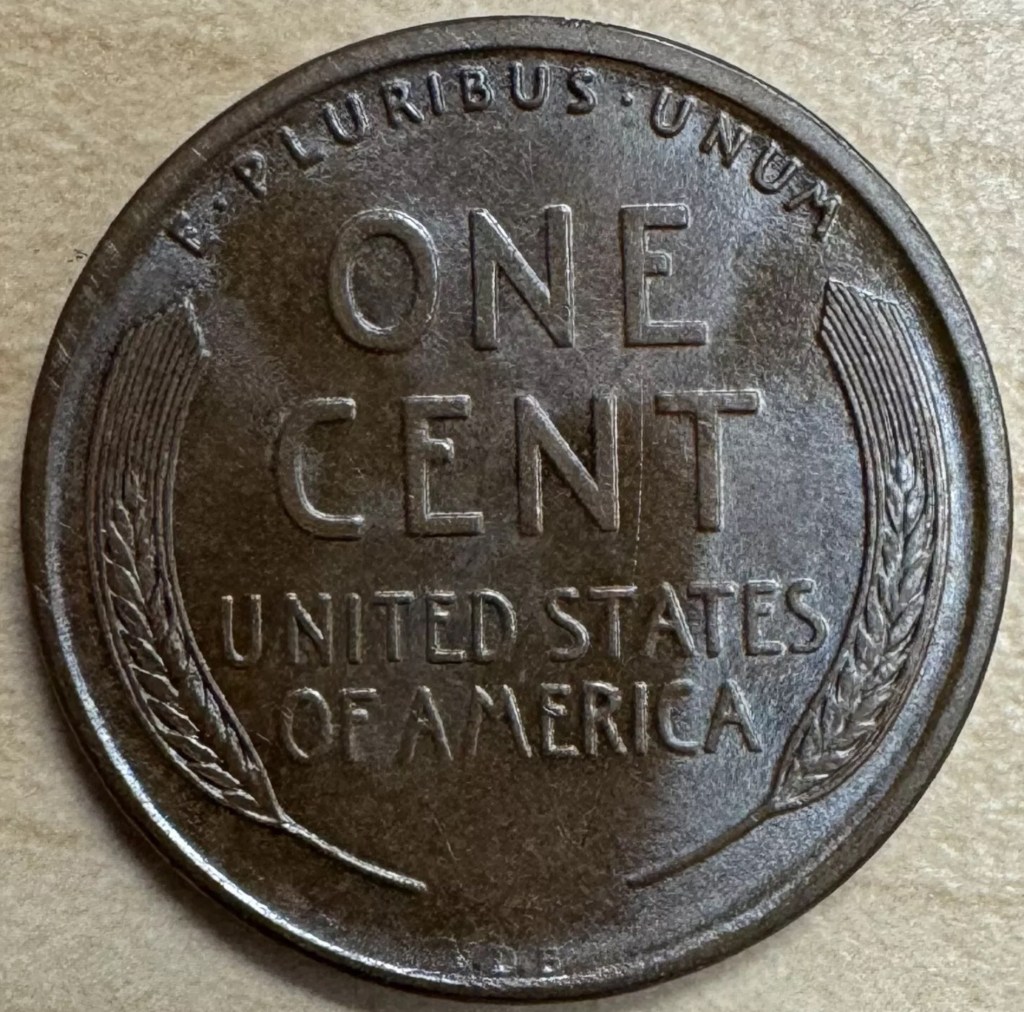
Two-cent coins (1864-1873)


Three-cent coins (1851-1889)
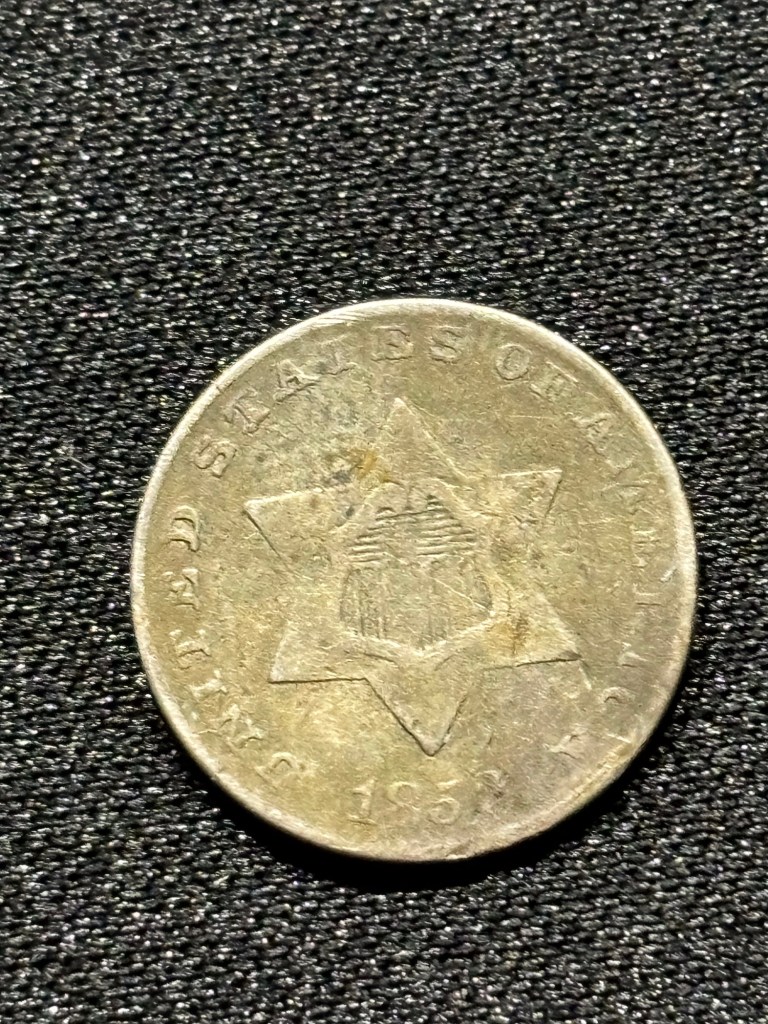

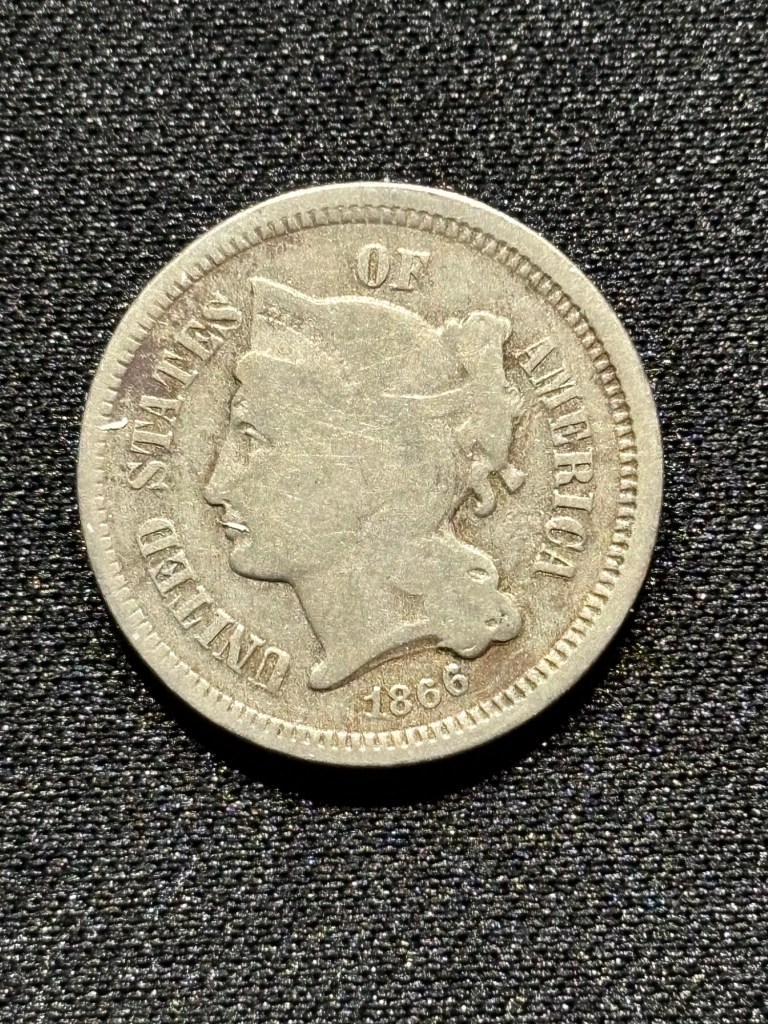
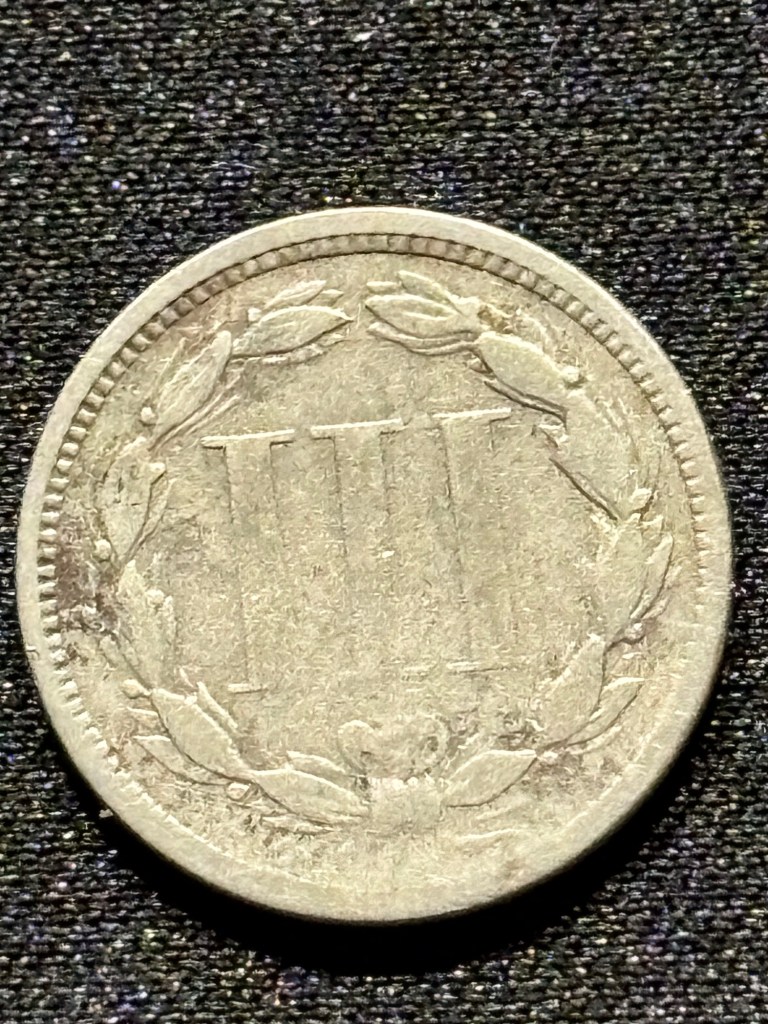
USA Half-dime coins (1794-1873)



USA Dime Coins (1796- to date)




Twenty-cent Coins (1875-1878)

Quarter of a Dollar Coins (1796- to date)



Half-Dollar or 50-cent Coins (1794- to date)







 Gathering Blacksburg History